Two months of real work
AC in Dover runs from July through August, with afternoon highs averaging around 79. That's a short season compared to most of the country, and the rest of the year the system sits idle.
Takes about a minute. No obligation.
AC in Dover runs from July through August, with afternoon highs averaging around 79. That's a short season compared to most of the country, and the rest of the year the system sits idle.
A compressor that only runs two months a year isn't straining the way one in a hotter state does. But it still sits through a cold winter, and parts that sit can seize or corrode as easily as parts that wear out from use.

NOAA nClimDiv, 1991–2020 normals
Half the homes in Strafford County were built in 1979 or later.
A system in a newer Dover home still has a lot of working life ahead, worth protecting with a yearly check.




Between visits, the filter is the one thing worth checking. A dirty filter starves the system of airflow, and that shows up as weak air from the vents or a coil that ices over. Pull it out, hold it up to the light, and if you can't see through it, swap it. Outside, keep the area around the condenser clear. Grass clippings, leaves and mulch piled against the fins block airflow the same way a dirty filter does, and clearing it takes a few minutes with a hose or a rake. Inside, listen for anything new. A rattle, a hum that wasn't there before, or air that isn't as cold as it should be are all worth a call, not a wait.
A system installed when your home was built still has most of its life in front of it. A yearly check is what keeps it getting there.
Find a contractor
Skip the yearly check and the first problem usually isn't something that breaks. It's dirt. A dirty coil can't shed heat the way it's built to, so the compressor runs longer to do the same job, and it runs hotter doing it. A clogged filter does the same thing from the other end, starving airflow until the coil behind it gets cold enough to ice over. Once that happens, the system is cooling less and working more at the same time. None of this announces itself. The air still comes out cold for a while. What's missing is anyone checking the refrigerant charge, the capacitor, the electrical connections, until the day one of them actually gives out, usually on the hottest afternoon of the year, because that's when the system is working hardest and a weak part finally quits.
A system can be low on refrigerant and still blow cold air for a while. The only way to know the charge is right is to connect gauges and measure it. Run it low too long and the compressor works harder than it should, every time it cycles on.
A capacitor can look fine sitting still and fail the moment the compressor asks it to start. Testing it under load, along with the contactor and the connections at the disconnect, catches the part that's about to quit before it quits on a hot afternoon with no warning.
A tune-up checks the refrigerant charge, cleans the coils, tests the capacitor and tightens the electrical connections.
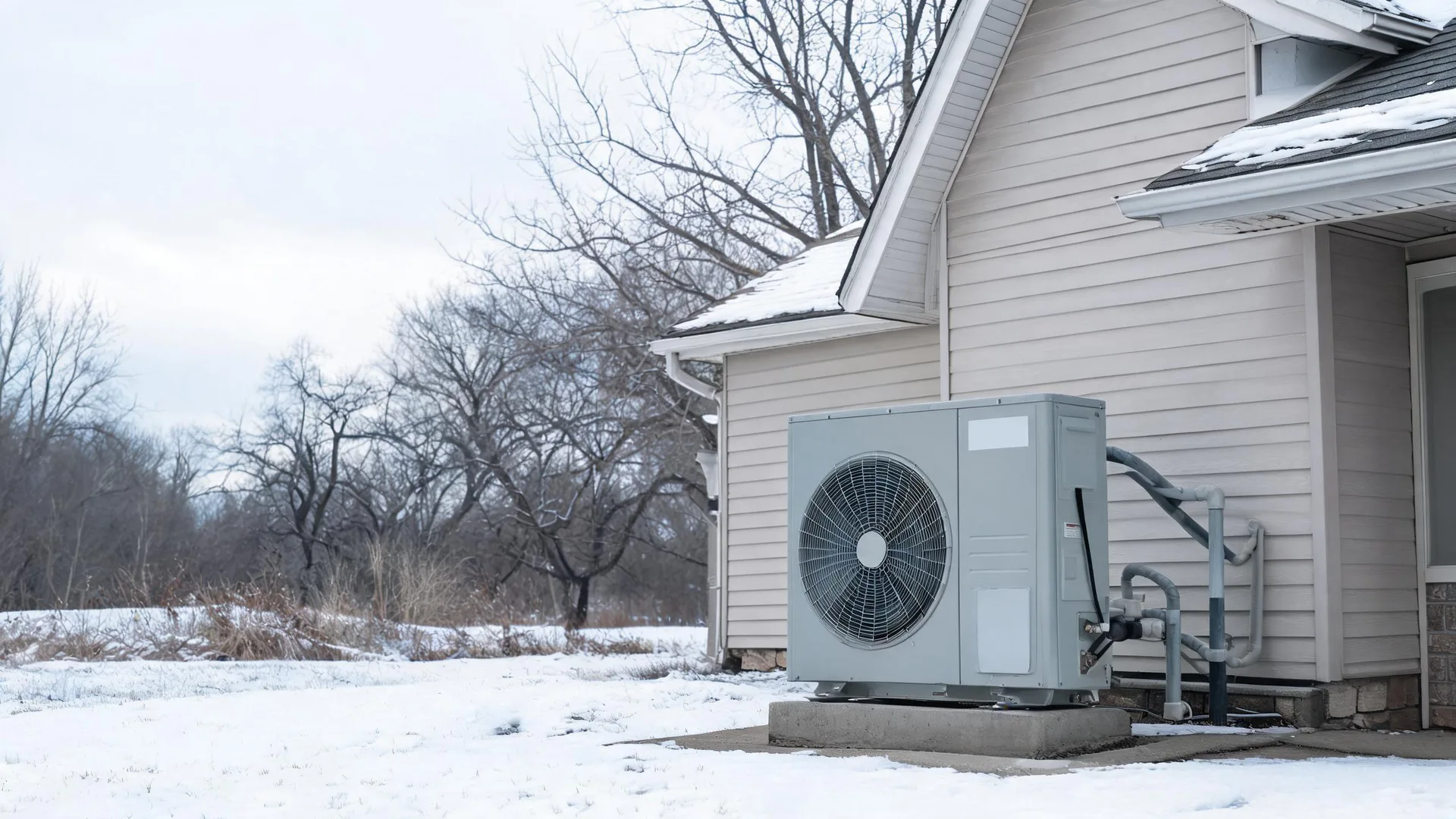
A tune-up starts outside, at the condenser. The coil gets cleaned of the dirt and grass clippings that build up against the fins, because a blocked coil can't shed heat and the compressor pays for it. The fan motor and blades get checked for wobble or noise. Inside, the evaporator coil and the drain line get looked at, since a clogged drain backs up and overflows right where nobody notices until it stains the ceiling below. The blower wheel gets checked for the dust that builds up on the blades and cuts airflow even with a clean filter. A good tune-up ends with the thermostat, making sure it's actually calling for cooling and shutting it off the way it should, not just that the air coming out is cold.