
AC Maintenance in New Hampshire
Homes in New Hampshire run cooling for fewer months of the year than in 34 of the other 49 states.
Tell us about the job
Takes about a minute. No obligation.
- 79°Fsummer afternoon high where people live
- 2 monthsof cooling, July through August
- 23.40¢ per kWhwhat homes paid for power in 2024 (kWh means kilowatt hours, the unit on an electric bill)
- 249hail events from 2015 to 2024
Storms here take a toll on outdoor AC units. Hillsborough County sees the most of it.
- Hottest summers in Rockingham County, mildest in Coos County
- Summer afternoons average 79°F where people live
- Cooling runs July through August
- 249 hail events from 2015 to 2024
- 897 damaging wind events from 2015 to 2024
- 22% of homes lost power a day or more in 2024


Older homes, one visit a year
Half the homes in New Hampshire were built in 1979 or earlier. Most of the state is detached or attached single-family houses, the kind with a condenser sitting outside on its own, exposed to whatever the weather brings. A house that age usually means a system that hasn't been swapped out either, and that outdoor unit takes the brunt of every storm this page talks about. A system with some years on it has less room for a small problem to stay small. One visit a year is enough to catch a weak capacitor or a coil packed with debris before summer puts real load on it.

Rockingham County gets the hottest summer afternoons in the state, averaging 80°F across June, July and August. An AC down there is working against real heat for the whole stretch, so getting it checked before that load hits matters more.
Up in Coos County, summer afternoons average 73°F, the mildest in the state. The system there isn't pushed the way one in Rockingham is, but a yearly check still catches a weak capacitor or a dirty coil before it turns into a breakdown on the hot days the county does get.
An easier job than most places, but still a job
Air conditioning here runs about two months a year, July and August, with afternoons averaging 79°F across the summer. That's a shorter, milder stretch than most states get, and the condenser outside feels the difference. Less time spent working against heat means less wear, so when a repair is needed it's more often worth making rather than a sign the system is worn out. It also means a breakdown here usually traces back to age or a skipped check, not the unit being run into the ground. Still worth a yearly visit. A capacitor weakens on its own timeline whether the unit works hard or not, and a coil collects debris the same way.
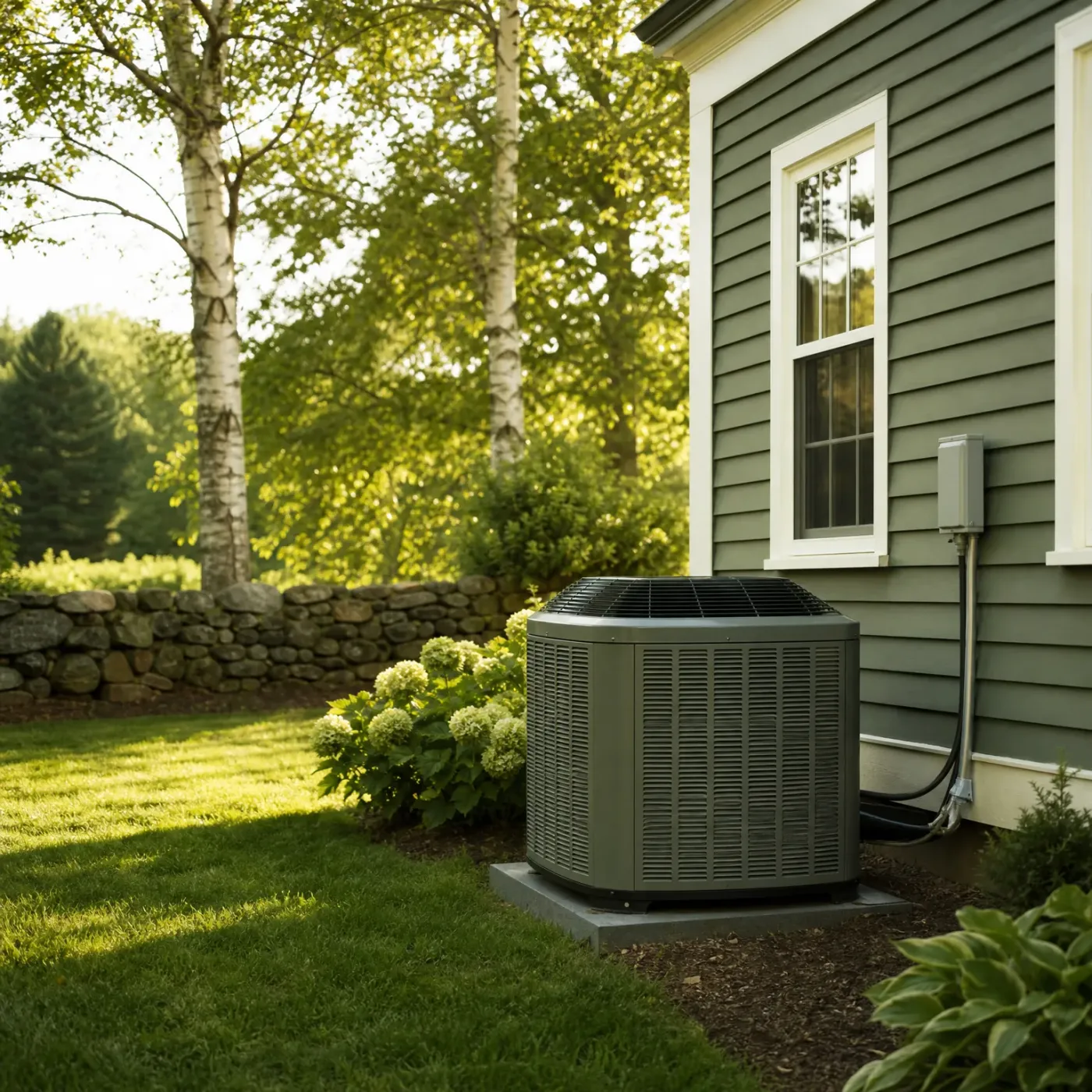
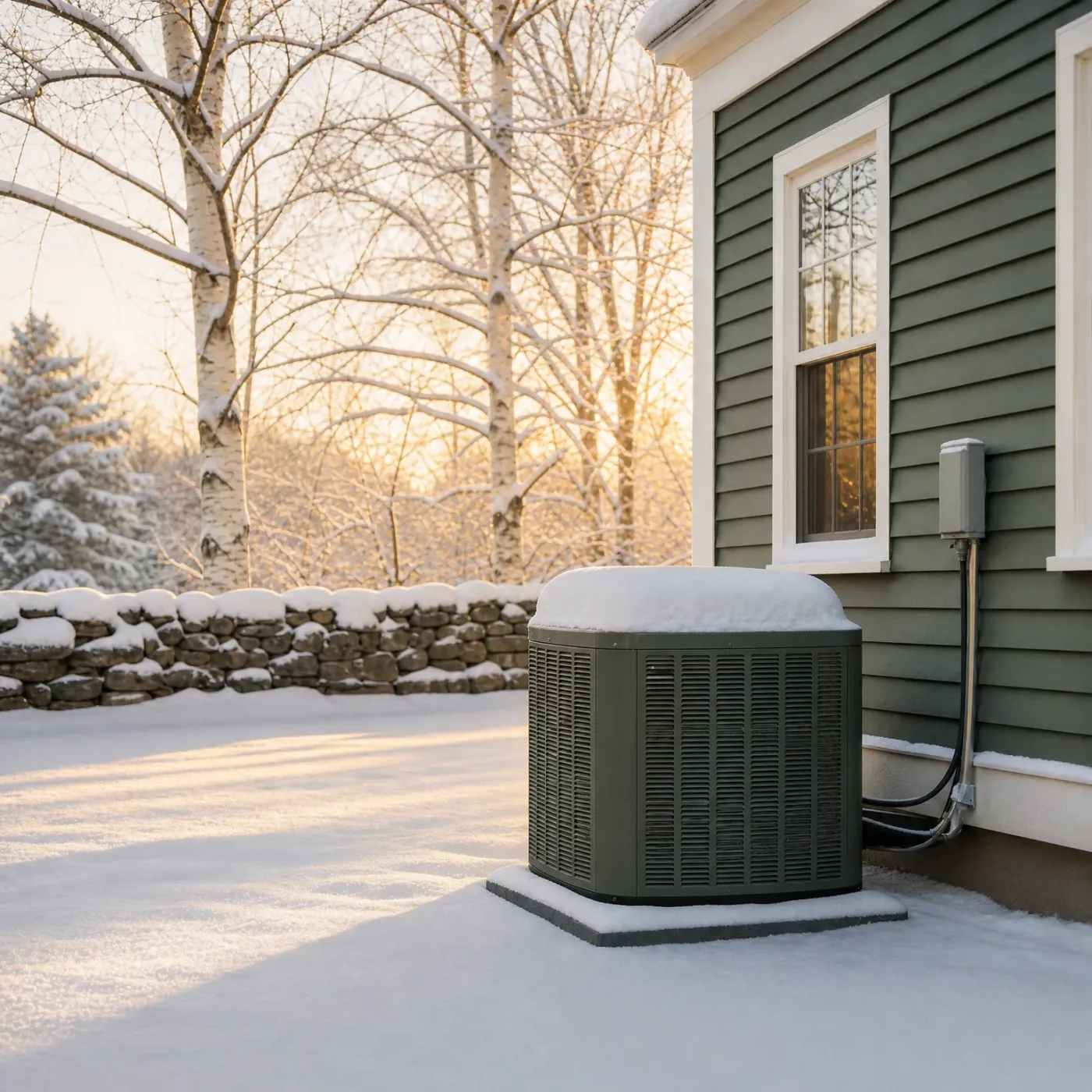
2 months of cooling, July through August
9 months of heat, September through May
What does an AC in New Hampshire face?
How hot do summer afternoons get?
79°Faverage afternoon high where people live
Alaska66°F
Arizona101°F
How many months does the cooling run?
2 monthsof cooling a year
Alaska0 months
Hawaii12 months
What does electricity cost?
23.40¢per kWh, what homes paid in 2024
North Dakota11.51¢
Hawaii42.86¢
How often do storms hit?
197severe weather events per county from 2015 to 2024
Alaska5
Wyoming1,057
How many homes lost power for a day or more?
22%of homes in 2024
Arizona7%
Maine54%
Get it looked at before July, not during it
July is when this system starts working for its living, and that's the month trouble shows up if it's going to. A capacitor that's been weakening all year gives out once the compressor has to run for hours instead of minutes. A coil that collected dust over the winter chokes airflow right when the unit needs it most. Book the check in June, before the first real heat, and a technician catches the weak part while it's still just weak. Wait until July and you're finding out the hard way, with the house already warm and the unit already struggling.
What you can check yourself
The filter is the one part that's on the homeowner, not the technician. A clogged filter starves the system of airflow, and the coil behind it can ice over when air can't move across it fast enough. Check it monthly during the months the system runs, and swap it when it looks gray instead of white. Outside, keep the area around the condenser clear. Leaves, cut grass and mulch pulled in against the cabinet block airflow across the coil, and a unit that can't shed heat runs longer to do the same job. A few feet of open space on every side is enough. Keep the condenser level too. Most sit on a pad, and if that pad has shifted or sunk on one side, the compressor inside is running tilted, which isn't what it's built for. Between visits, the only other thing worth doing is paying attention. A system that's suddenly louder, or blowing air that isn't as cold as it was, is telling you something before it fails outright. That's not a repair to attempt alone. It's a reason to get someone out before the small problem becomes the only thing anyone's talking about on the hottest day of the year.
The filter, the coil and the drain depend on each other
The filter and the coil work as a pair. Air gets pulled through the filter first, then crosses the evaporator coil, where the actual cooling happens. A dirty filter does not just mean dusty air. It means less air reaching that coil, and a coil starved of airflow gets cold enough to freeze the moisture on its surface instead of just condensing it. Once ice builds up, almost no air gets through at all, and the compressor keeps running against a coil that can no longer do its job. The condensate drain is the other side of that process. Moisture the coil pulls out of the air has to go somewhere, and it leaves through a small drain line that clogs easily with algae and dust. A blocked drain backs water up into the pan beneath the coil, and from there it finds the nearest path down, often through the ceiling below if the unit sits in an attic. None of these fails loudly on its own. A clogged filter starves the coil, a dirty coil can't shed heat or drain properly, and a blocked drain turns a normal byproduct of cooling into water damage. Keeping air and water moving through all of it is what the system depends on.
Storms knock out power and batter outdoor units here more than in most states.
Tell us about the job
Takes about a minute. No obligation.
Fill out the form once and a licensed contractor near you takes it from there.