






An outdoor central air conditioning unit mounted on a concrete pad beside a blue-sided house at sunset.

AC Maintenance in Lebanon, NH

Tell us about the job

Takes about a minute. No obligation.

Tune-up, service, or cleaningCentral ACGrafton County, NH
Step 1 of 2

What ZIP code is the job in?

Between visits, the filter is the one thing worth checking yourself. Pull it and hold it up to a light. If you can't see through it, swap it or rinse it if it's the reusable kind. A clogged filter starves the system of airflow, and the coil behind it can ice over when that happens. You can also walk out to the outdoor unit and clear leaves, grass clippings or anything piled against it, since it needs open space on all sides to dump heat outside. Inside, keep an eye on the vents and make sure furniture or rugs aren't blocking them. Past that, leave the panels closed. The refrigerant charge, the electrical connections and the capacitor are jobs for someone with gauges and a meter, not a screwdriver afternoon.

76°F
the average summer afternoon it cools against
30 hail events
in ten years, and hail bends the fins on outdoor coils
133 wind events
in ten years, and wind drives debris into outdoor units
Isometric line illustration of a cutaway house showing interior rooms with furniture and ceiling ductwork, connected to an outdoor condenser unit with a fan beside the building.
Your air conditioner works hardest from July through August.

NOAA nClimDiv, 1991–2020 normals

Summers here top out around 76 degrees, so an AC in Lebanon never runs flat out.

Light duty still wears a capacitor or a contactor over the years. A yearly check catches that before it fails on the one hot week you need it.

One visit a year covers it

Power costs 23.4 cents a kWh statewide
Summer afternoons average 76°F
133 damaging wind events from 2015 to 2024

A tune-up also catches things that never show up as warm air or a warning sound. Contacts inside the contactor pit and burn with every cycle, and a pitted contactor eventually fails to pull in at all, usually on the day you need cooling most. A start capacitor can read weak under load even when it looks fine sitting on a shelf, and a compressor that struggles to start on a weak capacitor pulls more current every time it does, which wears it down a little more each cycle. Insulation on the suction line breaks down in the sun and stops doing its job before it looks worn. None of that shows up as a problem you'd notice from inside the house. It shows up later as a bigger repair, once the part it was wearing down finally lets go.

Keep up the yearly check

Easy duty still wears parts. A yearly check keeps it going a long time.

Find a contractor
A man in a cap, dark long-sleeved shirt and worn brown work pants walks up porch steps toward a green front door, carrying a canvas tool bag in his right hand, with a potted plant beside the door.
A gray cylindrical air conditioning condenser unit mounted on a concrete pad next to a light-colored vinyl-sided house exterior.

Young equipment still needs the yearly visit

A system installed with the house in the last decade or two still has most of its working life ahead. That's a reason to keep the yearly check on the calendar, not skip it. Catching a dirty coil or a low charge early is what gets a newer compressor to run its full course instead of wearing down early for reasons nobody tracked.

A gauge set tells on a quick visit

A thorough tune-up checks refrigerant pressure with gauges and compares it against what the system calls for. It also means pulling the capacitor and testing it under load rather than eyeballing it, and checking amp draw on the compressor and fan motor. A quick visit skips the gauges, glances at the outdoor unit, and calls it done. The coil might look clean and the system might still be low on charge or drawing more current than it should.
The coil has to come apart to get clean

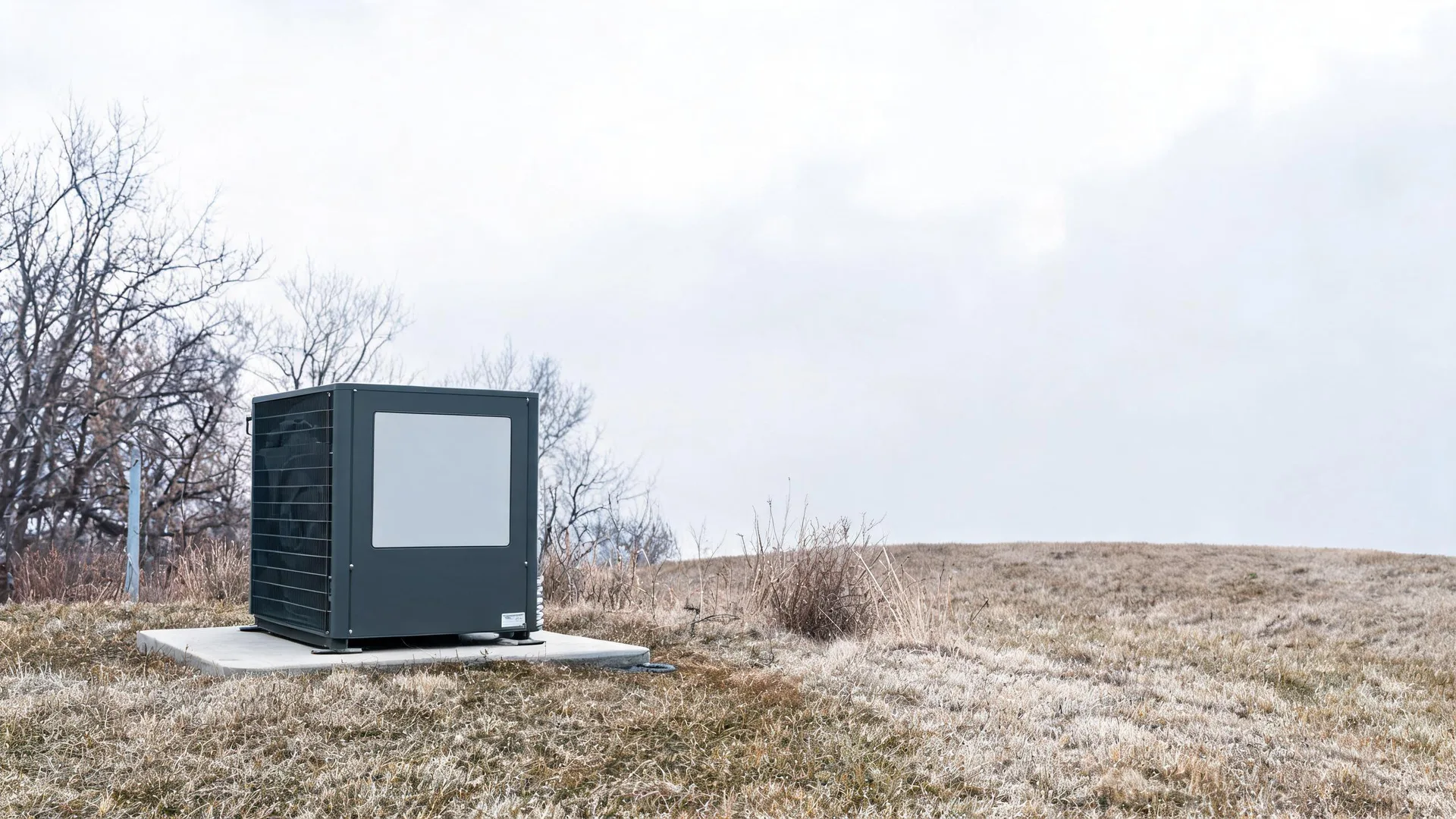
Dirt builds up between the fins on the evaporator and condenser coils, not just on the surface you can see. A real cleaning means washing the coil with a proper cleaner and a brush, sometimes pulling a panel to reach the inside face. Rinsing the outdoor unit with a hose or wiping down what's visible looks like progress but leaves the fins packed underneath, and a coil that can't shed heat makes the compressor work harder for the same result.

The drain line is the part nobody thinks about until water shows up somewhere it shouldn't. The evaporator coil pulls moisture out of the air as it cools, and that water has to go somewhere, so it runs down a small pipe to the outside or to a floor drain. Algae and dirt build up inside that line over time and narrow it until it backs up. When it backs up, water finds the drain pan, and from there it finds the ceiling below the unit or the floor around it. A tune-up includes flushing that line so it drains the way it's supposed to. The coil and the filter decide how hard the system works. The drain decides whether a clogged system causes damage or just discomfort.

A proper tune-up walks through the whole system in order, not just the parts that are easy to reach. That starts with the thermostat calling for cooling and ending at the air actually coming out of the vents, checking that each step along the way is doing its job. The blower wheel gets pulled and inspected, since dirt cakes onto those blades over time and throws off the airflow even when the motor itself is fine. Electrical connections get tightened, because a loose connection runs hotter than it should and that heat shortens the life of whatever it's feeding. The condensate pan gets checked for rust or cracks, not just the drain line it feeds into. Refrigerant lines get looked over for oily residue, which is usually the first sign of a slow leak long before the charge drops enough to notice a change in cooling.