
AC Installation in New Hampshire
Homes in New Hampshire run cooling for fewer months of the year than in 34 of the other 49 states.
Tell us about the job
Takes about a minute. No obligation.
- 79°Fsummer afternoon high where people live
- 2 monthsof cooling, July through August
- 23.40¢ per kWhwhat homes paid for power in 2024 (kWh means kilowatt hours, the unit on an electric bill)
- 249hail events from 2015 to 2024
Storms here knock out power often. Hillsborough County gets hit hardest.
- Hottest summers in Rockingham County, mildest in Coos County
- Summer afternoons average 79°F where people live
- Cooling runs July through August
- 249 hail events from 2015 to 2024
- 897 damaging wind events from 2015 to 2024
- 22% of homes lost power a day or more in 2024

New Hampshire sees 602 winter storms, and power doesn't always hold.

Rockingham County gets the hardest summers in the state. The high there averages 80°F across June, July and August, and a system sized for that county needs to hold a line against heat that doesn't let up all summer.
Coos County asks a lot less of an air conditioner. Summer afternoons there average 73°F, mild enough that an oversized system will short cycle instead of running the long steady stretches that actually dehumidify a house.
Two months of real work a year, nothing more
Cooling here only runs July and August, and most summer afternoons land around 79°F. That's a short, mild stretch compared with most of the country. Thirty-four other states ask more of an air conditioner than New Hampshire does. So the system doesn't need to be the biggest or the highest-rated one on the lot, it needs to be sized right for the house and built well. Put the money into the install and the ductwork instead of chasing a SEER2 (seasonal energy efficiency ratio under the 2023 test, an AC's cooling efficiency over a season) number this climate won't give you much chance to use.
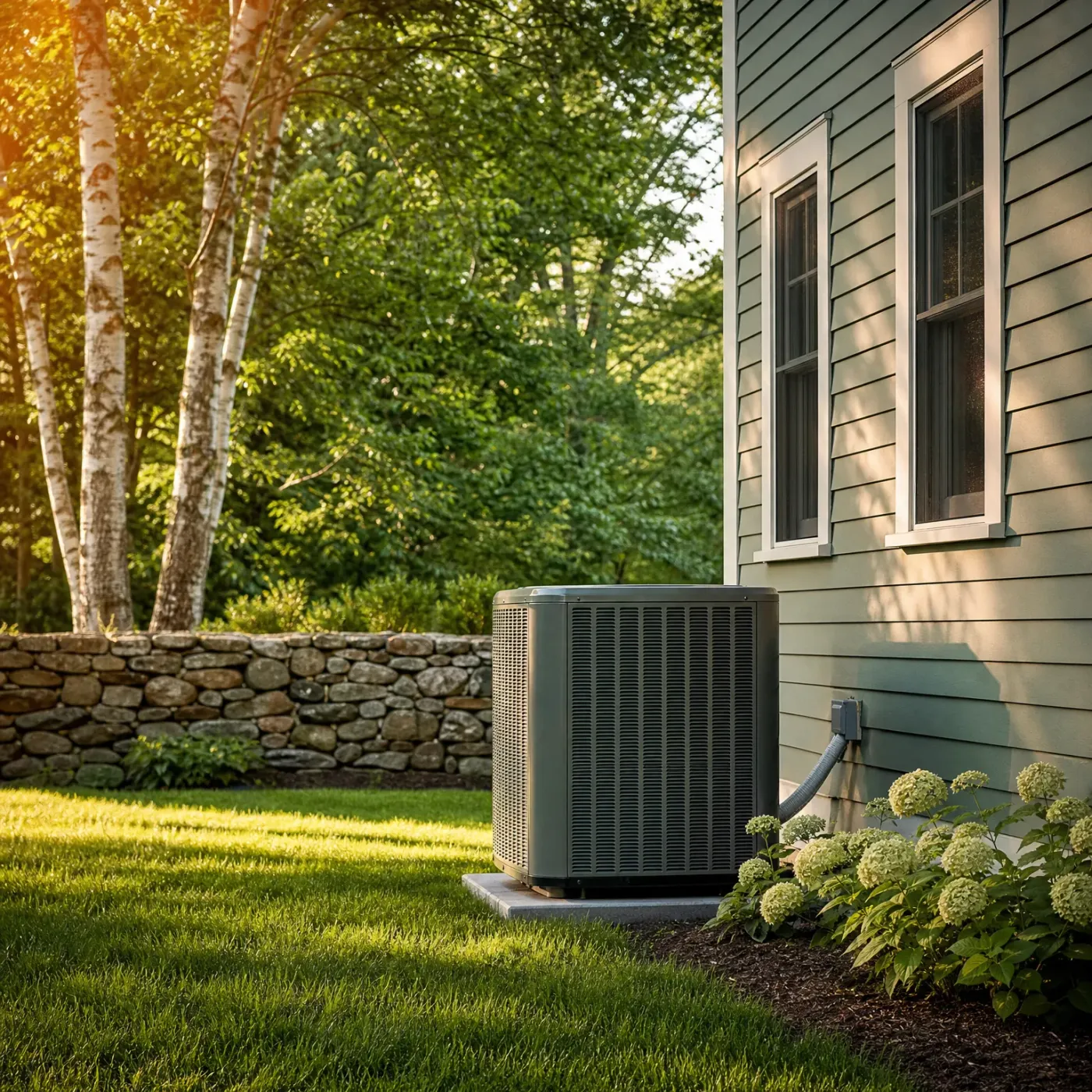
2 months of cooling, July through August
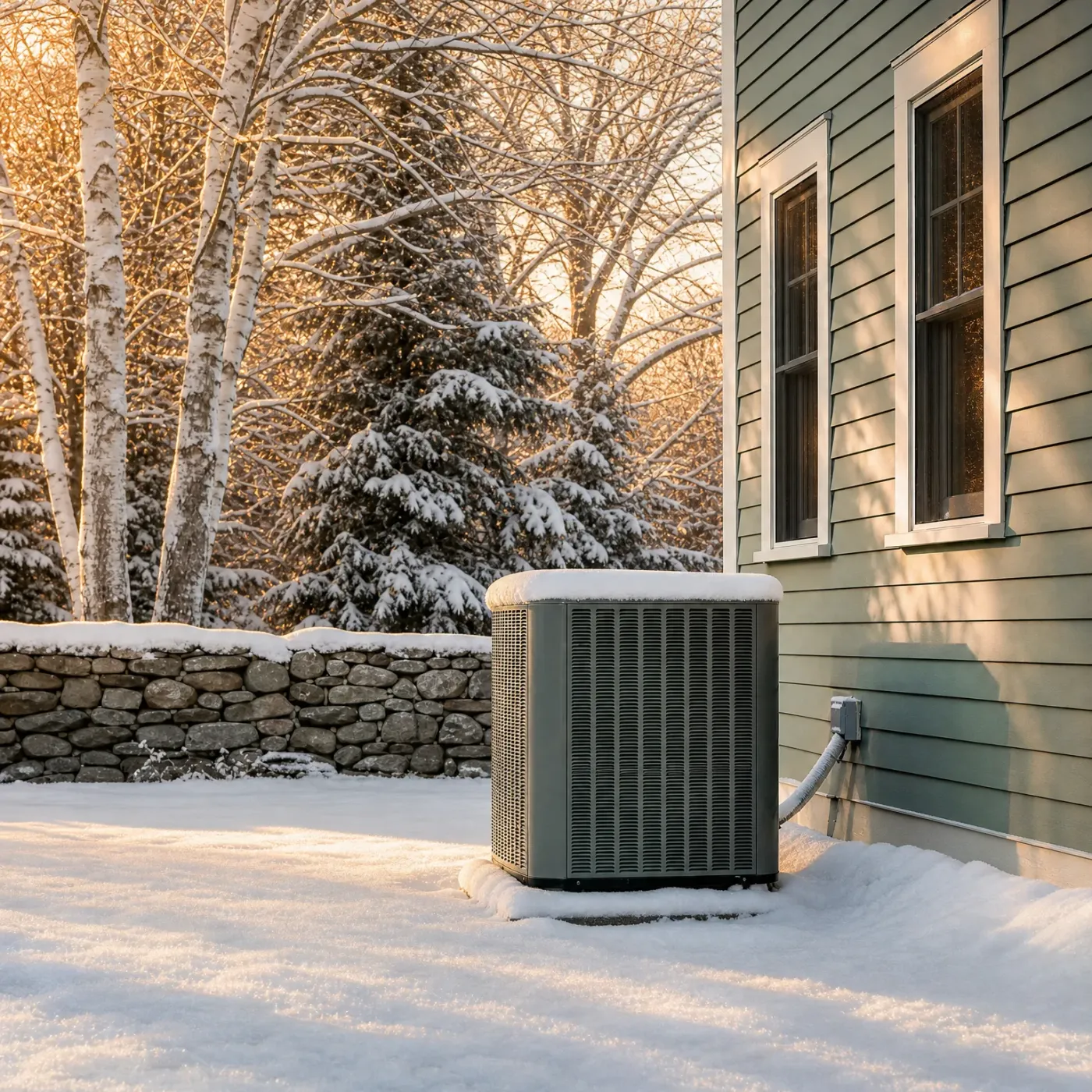
9 months of heat, September through May
What does an AC in New Hampshire face?
How hot do summer afternoons get?
79°Faverage afternoon high where people live
Alaska66°F
Arizona101°F
How many months does the cooling run?
2 monthsof cooling a year
Alaska0 months
Hawaii12 months
What does electricity cost?
23.40¢per kWh, what homes paid in 2024
North Dakota11.51¢
Hawaii42.86¢
How often do storms hit?
197severe weather events per county from 2015 to 2024
Alaska5
Wyoming1,057
How many homes lost power for a day or more?
22%of homes in 2024
Arizona7%
Maine54%
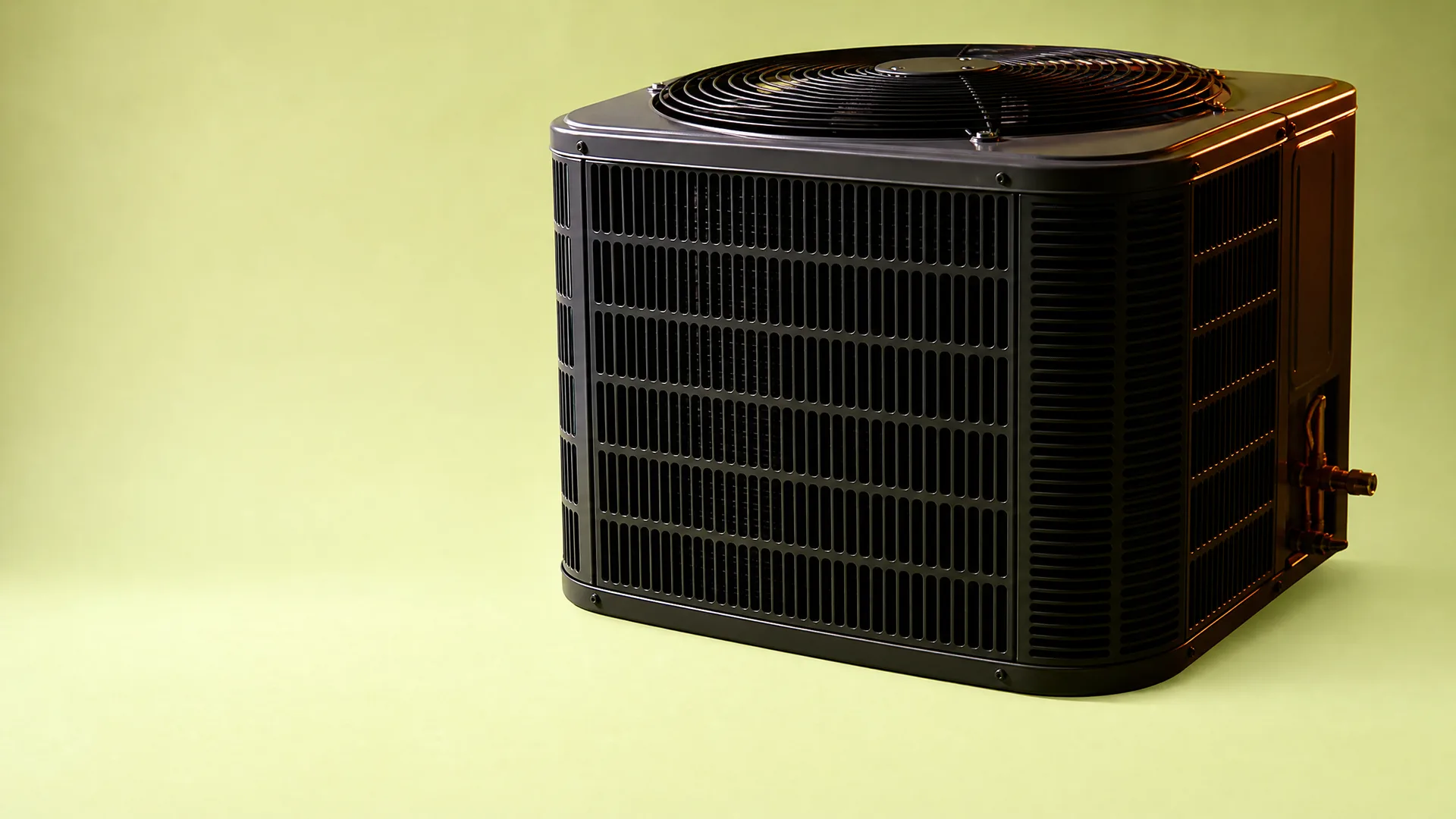
Put it in before July, not during it
Cooling here only runs July and August, so there's no rush once summer hits, but that's exactly why it's easy to put off until a hot week forces the issue. Get a new system in during June and it's set, tested and running right before the first real load hits it. Wait until July and you're asking a contractor to fit you in while everyone else with a dying AC is calling too.
What the rating on the label actually promises
The number on the label is a SEER2 rating, and it tells you how much cooling the system gets out of the power it uses. A higher number means lower operating cost per degree of cooling delivered, nothing more. It doesn't tell you how fast the house cools, how even the temperature stays room to room, or how long the unit lasts. Those come down to whether the system is sized right for the house and installed well, correct refrigerant charge, good airflow, ductwork that isn't choking it. A high-SEER2 system installed poorly will cost more and still run worse than a modest one installed right. The rating also assumes long, steady runtimes to pay itself back. A system that short cycles, kicking on and off instead of running long enough to pull moisture out of the air, never gets the chance to perform anywhere near its rating. So the label tells you what's possible under ideal conditions. Whether the house actually sees that efficiency depends on everything the label doesn't mention.
What's already there to work with
Fuel oil heats more homes in New Hampshire than anything else, 39.5% of them. Utility gas and bottled or LP gas split most of the rest. None of that is the fuel an air conditioner runs on, but it tells you what's already at the house. Most of these homes were set up for a furnace or boiler, not a heat pump. If the house heats with oil or propane forced air, the ductwork is likely already there for a central AC to use. If it heats with a boiler, there may be no ductwork at all, and that changes what installing cooling actually involves.
New Hampshire storms knock out power often, so plan where the unit sits and how you'll stay cool without it.
Tell us about the job
Takes about a minute. No obligation.
Fill out the form once and contractors who install AC in New Hampshire will tell you what your house needs.