A two-story red brick house with black shutters and a dark roof sits on a mown lawn behind a dry-stacked stone retaining wall, framed by large deciduous trees under an overcast sky.

AC Installation in Keene, NH

Tell us about the job

Takes about a minute. No obligation.

New system or replacementCentral ACCheshire County, NH
Step 1 of 2

What ZIP code is the job in?

The size has to match the house

An air conditioner that's too big for the space cools the room fast and shuts off before it pulls the moisture out of the air, so the house feels clammy even at the right temperature. One that's too small runs constantly and never quite catches up. Getting the size right takes a room by room look at the house, not just a guess based on the old unit.


The ductwork decides what else gets touched

If the ducts already in place are sized wrong or leak at the joints, a new outdoor unit won't fix the comfort problem on its own. Sealing and adjusting ductwork adds work beyond swapping the equipment, but skipping it means the new system fights the same losses the old one did.

2 months
July through August, your air conditioner is on duty
78°F
the average summer afternoon it cools against
43 hail events
in ten years, and hail bends the fins on outdoor coils
13.4 SEER2
the federal minimum any new unit must meet
Isometric cutaway illustration of a house showing attic ductwork, an indoor air handler, refrigerant lines running outside, and an outdoor condenser unit on a pad.
Your air conditioner works hardest from July through August.

NOAA nClimDiv, 1991–2020 normals

A standard size system is the right call for a Keene home.

At 23.40 cents per kilowatt-hour, there's no reason to size up or chase a higher efficiency tier than this house actually needs.

Most Keene homes heat with oil, which is worth knowing when you're adding AC

57.1% of homes heat with fuel oil
Cooling runs July through August
Summer afternoons average 78°F
Half the homes here were built in 1972 or earlierA new system has to fit the house, not the other way around.

Keene sits in climate zone 5A, a cool zone where winter heating is the bigger job but summers still get humid enough to need real cooling. Any split-system central air conditioner under 45,000 Btu/h installed new has to meet 13.4 SEER2 at minimum, by federal rule. That floor applies whether the house is getting its first central air or replacing a worn-out unit. It doesn't set a ceiling. A contractor sizing the system to the house, not the other way around, will land on equipment that clears this minimum without reaching for a tier built for hotter climates than this one.

Keene summers don't ask much of an air conditioner

Two months of real cooling, July and August, with afternoon highs averaging 78. That's not much work for a compressor. A dependable standard system will keep up with summers here for years without needing equipment built for harder climates than this one.

Find a contractor
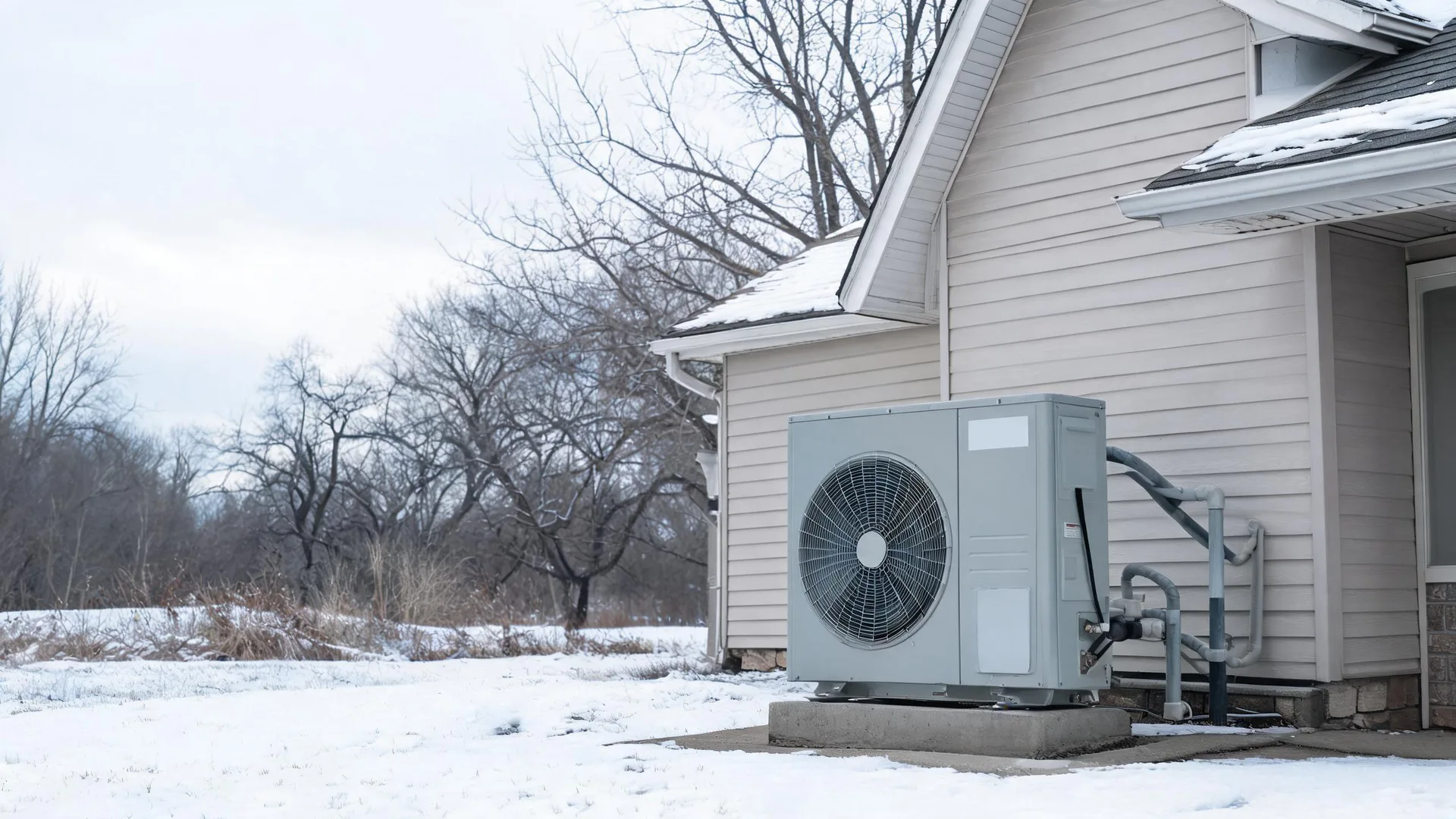
An outdoor air conditioning condenser unit mounted on a concrete pad beside a house, with electrical conduit running to a wall-mounted disconnect box.

Get it in before June ends

Cooling here runs two months, July and August. June is the month before it starts, and that's the window for putting in a new system. Do it then and the install happens on a normal schedule, with time to size it to the house and check the ductwork properly. Wait until the first hot week and you're making the same decisions under pressure, often with the old unit already dead.

The old unit gets hauled away

A licensed contractor disconnects the old outdoor unit and indoor coil, recovers the refrigerant left in the lines, and takes the equipment off the property. Refrigerant can't legally be vented to the air, so it gets captured with a recovery machine before anything is cut loose. The old line set usually comes out too, since new equipment rarely matches up with it.

The slab and wiring often get reused

If the old condenser sat on a solid pad, the new one can usually sit there too, so that part of the job is just a swap. The electrical whip and disconnect box near the outdoor unit often carry over as well, as long as they're rated for what the new equipment draws. A contractor checks that before assuming it's fine.

An outdoor air conditioning condenser unit mounted on a concrete pad next to a blue-sided residential house at sunset.

Going above the federal minimum saves little here, about $20 a year.

  • A higher-efficiency unit$170 a year
  • A new unit at the federal minimum, 13.4 SEER2$190 a year

Estimates for a typical Cheshire County home, from EIA household energy data, New Hampshire fuel prices and NOAA climate normals. Your home will differ.

Install day starts with the old equipment coming out and the site getting checked before anything new goes in. The line set gets pressure tested or replaced, since any leftover oil or debris in old copper will contaminate new refrigerant. Once the outdoor unit and indoor coil are set, the lines get connected, the system gets pulled down into a vacuum to clear out moisture and air, and only then does refrigerant go in. A contractor weighs in the refrigerant charge to the equipment's specification rather than guessing by feel. Before they leave, they run the system, check the temperature split across the indoor coil, and confirm the airflow matches what the equipment needs. A system that's charged right and airflow tested that day runs quieter and lasts longer than one left to sort itself out.