
Mini Split Installation in New Hampshire
Homes in New Hampshire run cooling for fewer months of the year than in 34 of the other 49 states.
Tell us about the job
Takes about a minute. No obligation.
- 79°Fsummer afternoon high where people live
- 2 monthsof cooling, July through August
- 15°Fwinter overnight low where people live
- 9 monthsof heat, September through May
Storms knock out power more years than not here Hillsborough County sees the most of it
- Hottest summers in Rockingham County, mildest in Coos County
- Summer afternoons average 79°F where people live
- Winter nights average 15°F where people live
- Cooling runs July through August
- 897 damaging wind events from 2015 to 2024
- 22% of homes lost power a day or more in 2024


- Each room gets its own head, so you set that room's temperature without changing anyone else's
- The thermostat sits right in the room it controls, not in a hallway guessing at the whole house
- No ductwork means nothing gets lost moving through an attic or crawlspace before it reaches you
- The outdoor unit keeps heating in real cold, so the same system covers both summer and winter
- A head mounted high on the wall or ceiling clears the floor and the windowsill completely
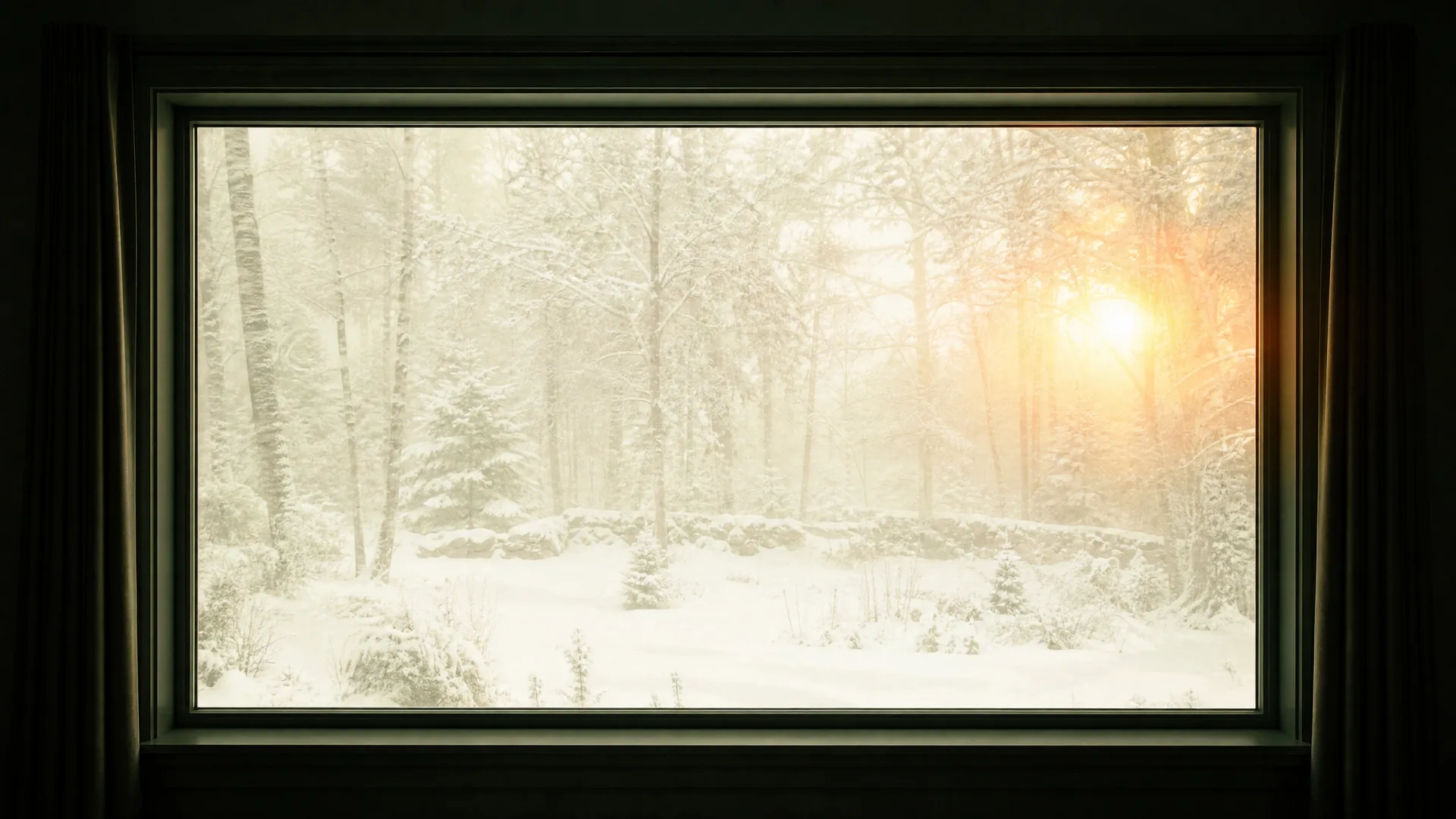
Most houses in New Hampshire are one family to a house, not split into units sharing ductwork or a boiler. A mini split matches that. One or two heads cover a typical home without sizing around shared walls or a system built for more units than yours.
Half the homes here were built in 1979 or earlier, half in 1979 or later. That doesn't call for a bigger mini split or a different one. The outdoor unit and the heads work the same whether the house is old or new. What matters is matching the size to the rooms you're heating and cooling, same as anywhere else.
The summers here don't push it hard
Cooling only runs here from July through August, and the afternoon high over those months averages 79°F. That's a mild load. New Hampshire sees fewer cooling months than 34 other states, and cooler summer afternoons than 43 of them. A mini split here isn't working against the kind of heat it would face further south. What's worked hard instead is the heating side, through the cold months, and that's where it's worth putting the money. You don't need the highest SEER2 (seasonal energy efficiency ratio under the 2023 test, an AC's cooling efficiency over a season) number on the lot. You need a unit sized right for the room and a heat pump that holds up in a real New Hampshire winter. Pick for reliability over the years, not for squeezing out summer efficiency you won't use much.
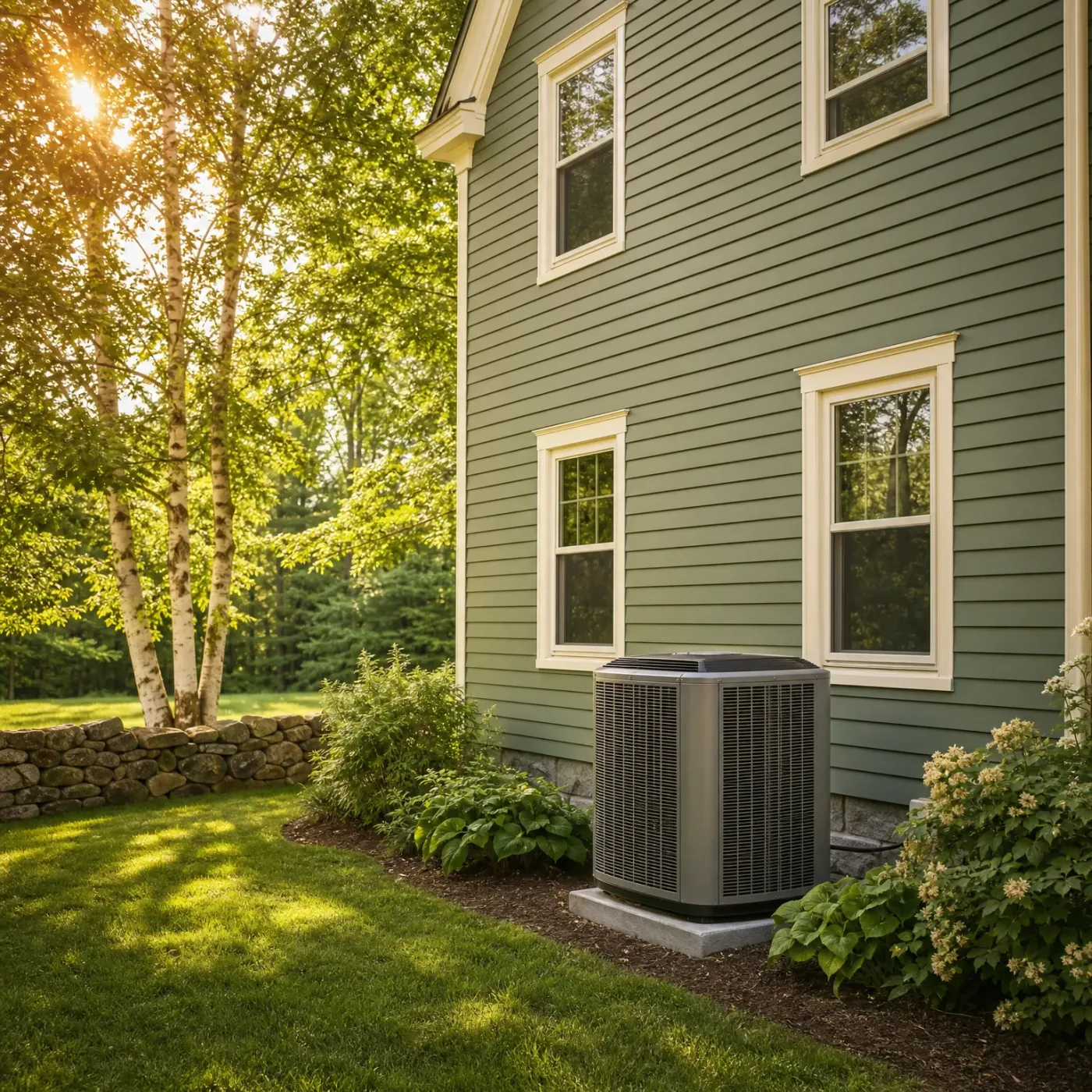
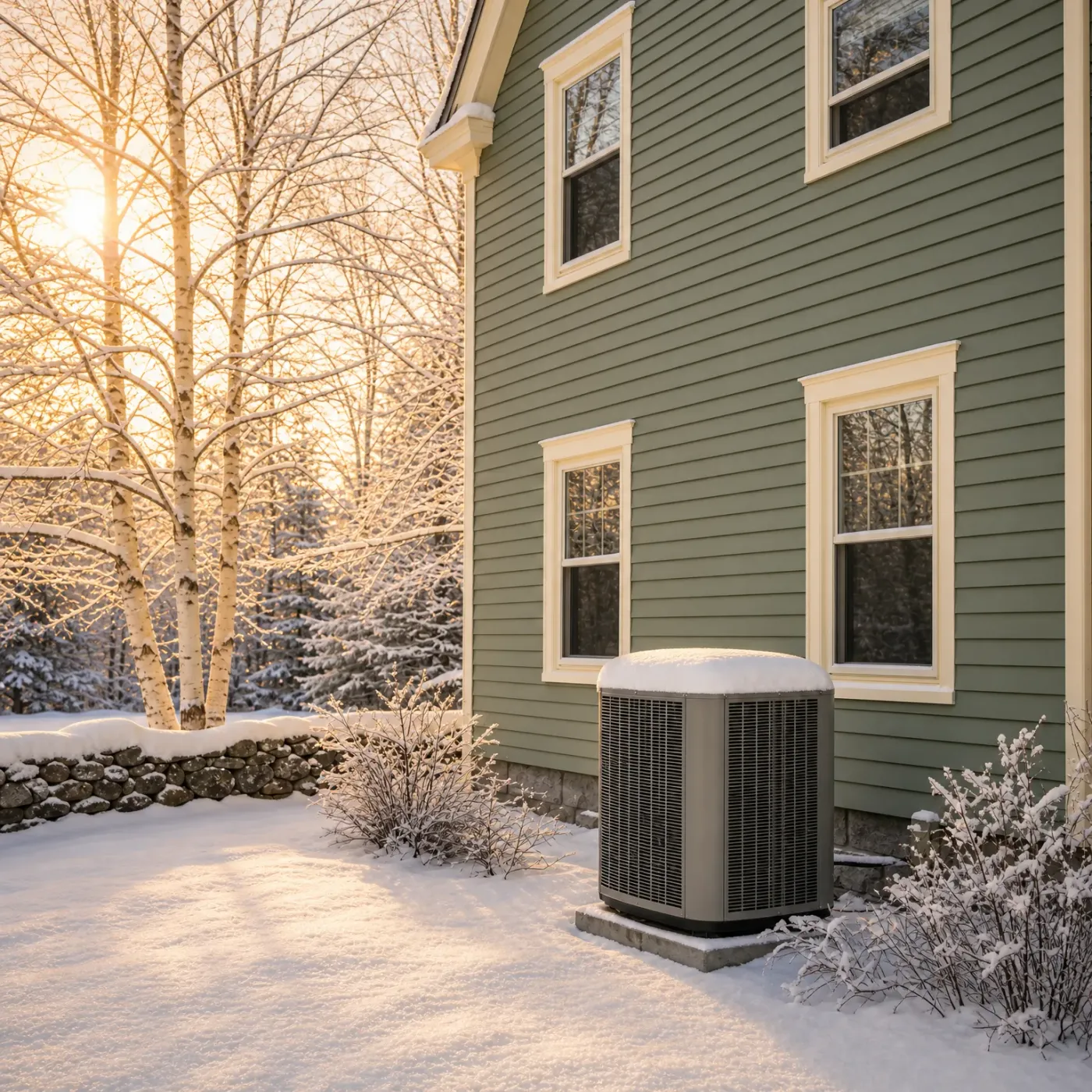
2 months of cooling, July through August
9 months of heat, September through May
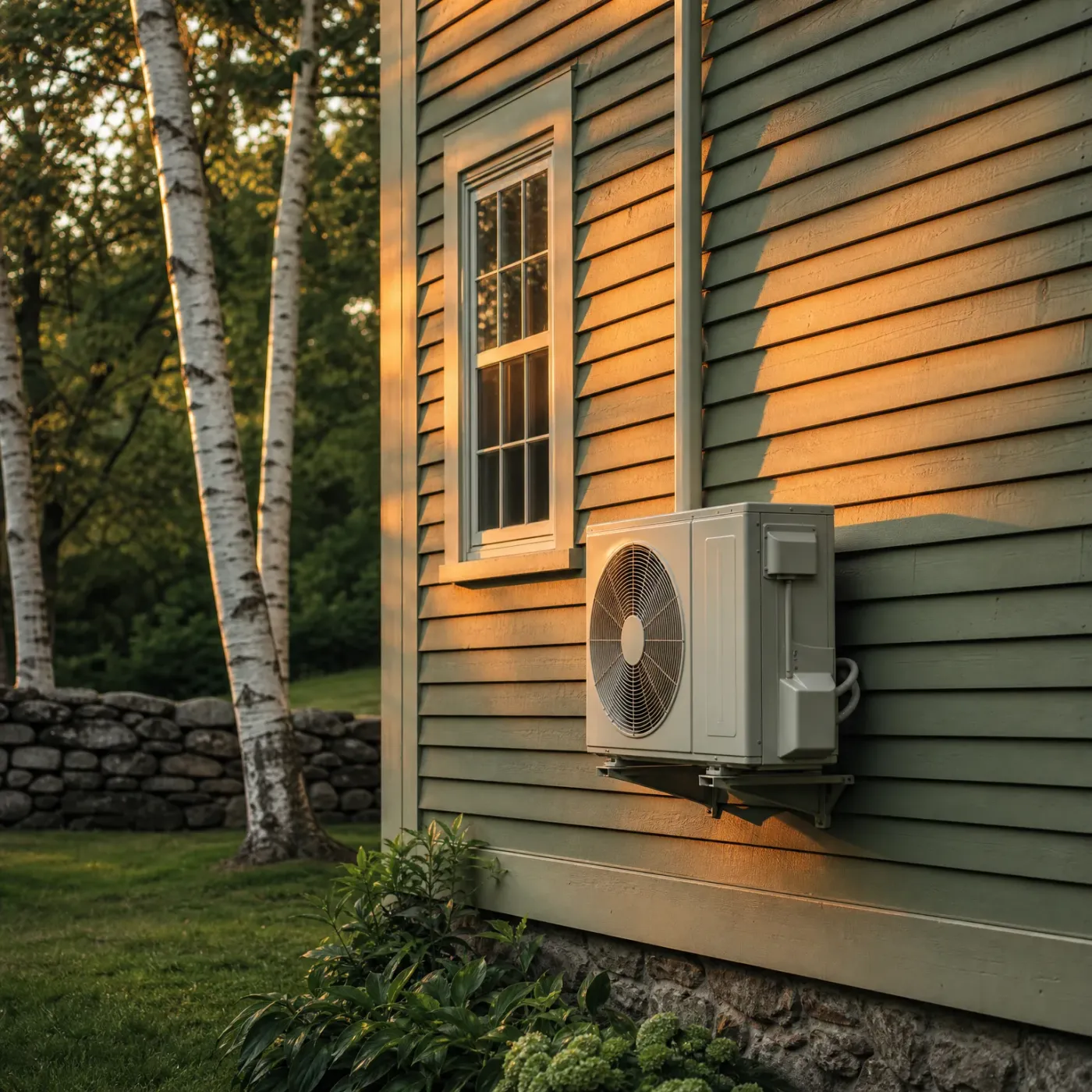
Summer doesn't land the same everywhere here. Rockingham County sees the hottest afternoons, averaging 80°F across June, July and August. Coos County stays mildest, at 73°F. A mini split in Rockingham is doing more cooling work on a hot afternoon than the same unit up in Coos.
Hillsborough County runs cooling about two months a year, longer than anywhere else in the state. Grafton County barely runs it at all. If you're in Hillsborough, size the cooling side with real intent. If you're in Grafton, the heat pump's winter performance matters far more than anything it does in July.
The eastern counties need about 13% more cooling over a year than the western counties. That's not a small difference when you're picking equipment. A head sized for a western New Hampshire home might come up short in an eastern one running longer summers.
None of this changes what the outdoor unit has to carry through a cold winter, wherever you are in the state. But the cooling side is worth matching to your county, not just to the state average.
What does a mini split in New Hampshire face?
How hot do summer afternoons get?
79°Faverage afternoon high where people live
Alaska66°F
Arizona101°F
How cold do winter nights get?
15°Faverage overnight low where people live
North Dakota4°F
Hawaii65°F
How many months does the cooling run?
2 monthsof cooling a year
Alaska0 months
Hawaii12 months
What does electricity cost?
23.40¢per kWh (kilowatt hours, the unit on an electric bill), what homes paid in 2024
North Dakota11.51¢
Hawaii42.86¢
How often do storms hit?
197severe weather events per county from 2015 to 2024
Alaska5
Wyoming1,057
How many homes lost power for a day or more?
22%of homes in 2024
Arizona7%
Maine54%
What happens to the old system
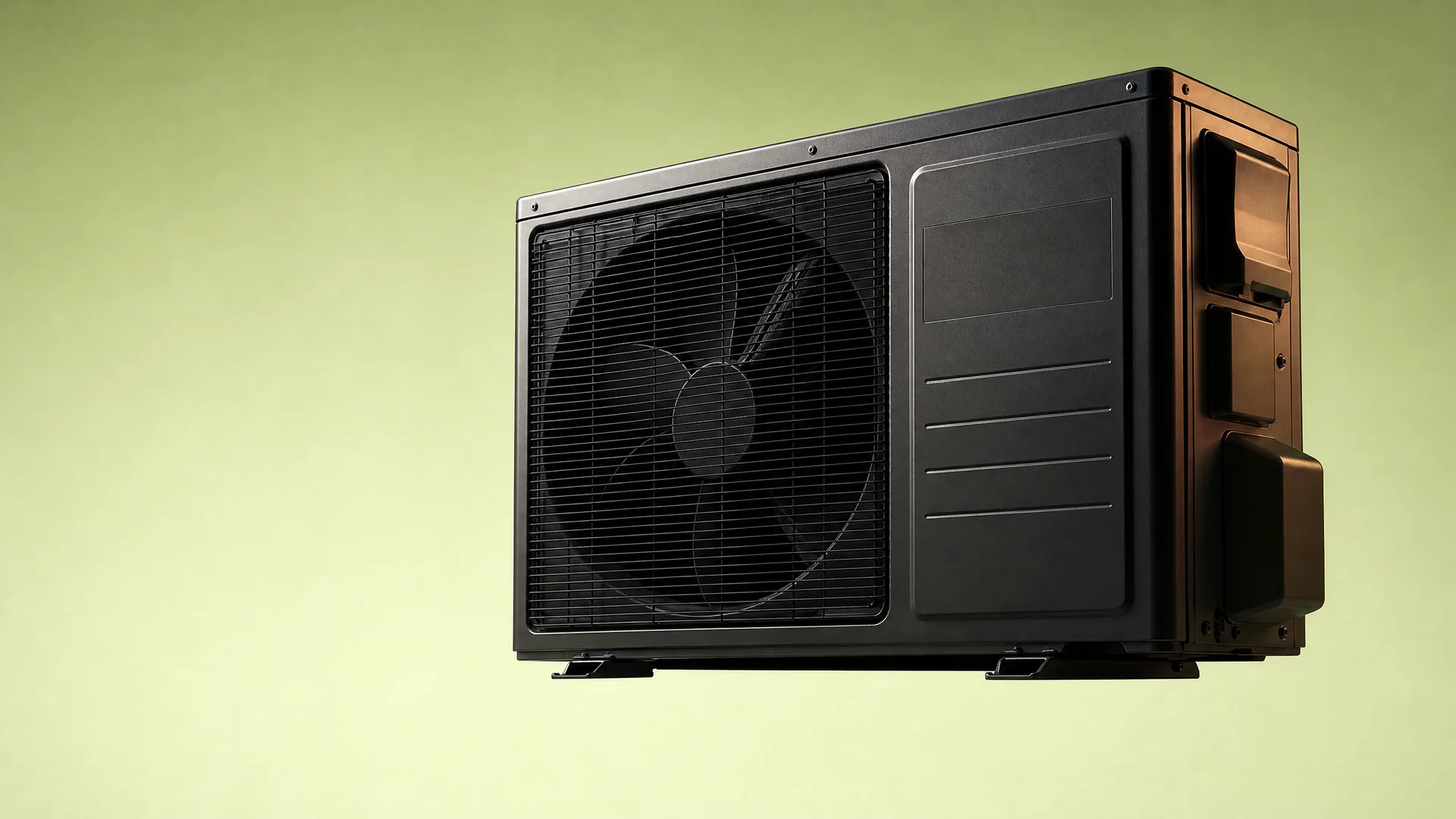
When a mini-split goes in, the old system doesn't get folded into the new one. If you're replacing a furnace or central air, that equipment comes out. The ductwork can stay in the walls and floor if it's not in the way, but nothing about it connects to the new heads or the outdoor unit. A mini-split doesn't push air through ducts, so once it's running, old supply vents and return grilles are just openings that don't do anything anymore unless you seal them off. Window units and baseboard heaters that the mini-split is replacing come out, since the whole point is to stop running them. An old outdoor condenser gets disconnected and hauled off, and the line set that ran to it isn't reused. If the old system shared a thermostat setup or a zone panel, that wiring gets pulled or capped, since each mini-split head runs off its own control. None of this old equipment helps the new system work better by staying in place. It just takes up space once the mini-split is carrying the heating and cooling load.
What to ask when you're comparing systems
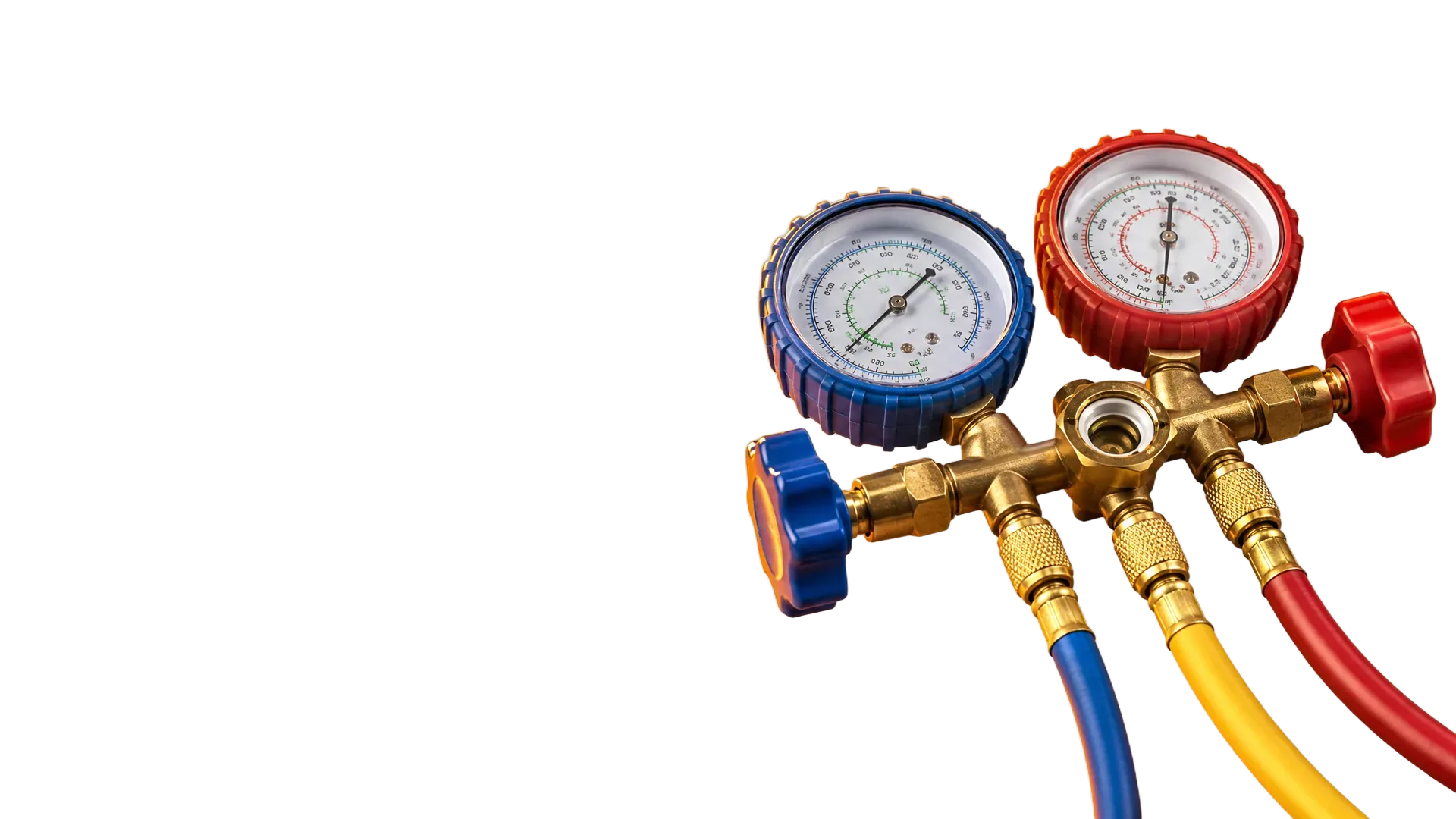
When you're comparing systems, ask how many heads you actually need and where they'd go. One outdoor unit can run multiple indoor heads, but each room with a head needs a wall or ceiling spot with clear airflow, not tucked behind furniture or blocked by a doorway. Ask what happens at the coldest point in the system's range, since that's the number that matters more than anything about cooling. A heat pump's rated capacity drops as the outside temperature drops, and some units hold onto more of their output in deep cold than others. Ask about the line set, the copper line running between the outdoor unit and each head, and how it gets routed through the wall. That routing decides how much wall or ceiling work is involved and whether the outdoor unit can sit somewhere reasonable or has to go wherever the line can reach. Ask what the warranty covers on the compressor versus the parts, since those are often different lengths. And ask who services it afterward. A mini-split needs the outdoor coil kept clear of leaves and debris and the indoor filters cleaned on a schedule, and whoever installs it should be someone who'll still answer the phone for that.
What's already heating the house
Fuel oil and kerosene heat more homes in New Hampshire than any other fuel, at 39.5%. Bottled or LP gas and utility gas account for most of the rest. A home heating with oil or propane is running a furnace or boiler tied to a tank, and a mini split installed there usually goes in alongside that system rather than replacing the only source of heat. Electricity heats a smaller share of homes here, and in those houses a mini split can step in as a straight swap. Ask what's heating the house now before deciding what the mini split needs to cover.
Electricity here runs 23.4 cents a kilowatt-hour, more than in 41 other states.
Tell us about the job
Takes about a minute. No obligation.
Fill out the form and a licensed New Hampshire installer looks at your rooms and quotes the job.