
AC Repair in New Hampshire
Homes in New Hampshire run cooling for fewer months of the year than in 34 of the other 49 states.
Tell us about the job
Takes about a minute. No obligation.
- 79°Fsummer afternoon high where people live
- 2 monthsof cooling, July through August
- 23.40¢ per kWhwhat homes paid for power in 2024 (kWh means kilowatt hours, the unit on an electric bill)
- 249hail events from 2015 to 2024
Storms here hit outdoor units hard Hillsborough County sees the most
- Hottest summers in Rockingham County, mildest in Coos County
- Summer afternoons average 79°F where people live
- Cooling runs July through August
- 249 hail events from 2015 to 2024
- 897 damaging wind events from 2015 to 2024
- 22% of homes lost power a day or more in 2024


- A diagnosis that names the actual part, the capacitor, the contactor or a low charge, before anything gets swapped
- Vents blowing air that's actually cold again, not just moving
- A leak sealed at the source instead of recharged and left to drop again
- The outdoor fan and coil clear of debris so the unit isn't straining
- No more tripped breaker or short cycling. It runs a full cycle and shuts off clean

Electricity here runs 23.40 cents per kilowatthour, more than in 41 other states. An air conditioner that's low on charge or straining against a dirty coil pulls more power to do the same job, and that shows up on the bill before it shows up as a breakdown. Getting the actual problem fixed, not just topped off, is what keeps that draw down.
New Hampshire homes that use air conditioning used an average of 3.4 million Btu (British thermal units, a measure of heat) of electricity for cooling in 2020, not heavy use compared to what central air handles in hotter states. The storms here are hard on an outdoor unit, but the cooling load on the system itself isn't. When a unit is short cycling or not cooling, the cause is almost always the same handful of things a tech checks on any system, anywhere.
Two months of cooling, and July is when a weak part gets found
Cooling here runs two months, July and August. June is the month before it starts, and that's the window to get a unit checked. A system that sits unused picks up problems quietly, a weak capacitor, a coil with debris on it, a refrigerant leak dropping the charge a little at a time. None of that shows up until the unit has to carry a full load, which is exactly what July asks of it. New Hampshire gets fewer cooling months than 34 other states, so this equipment spends most of the year idle and only a short stretch actually working. That first stretch is when a weak part gets found.
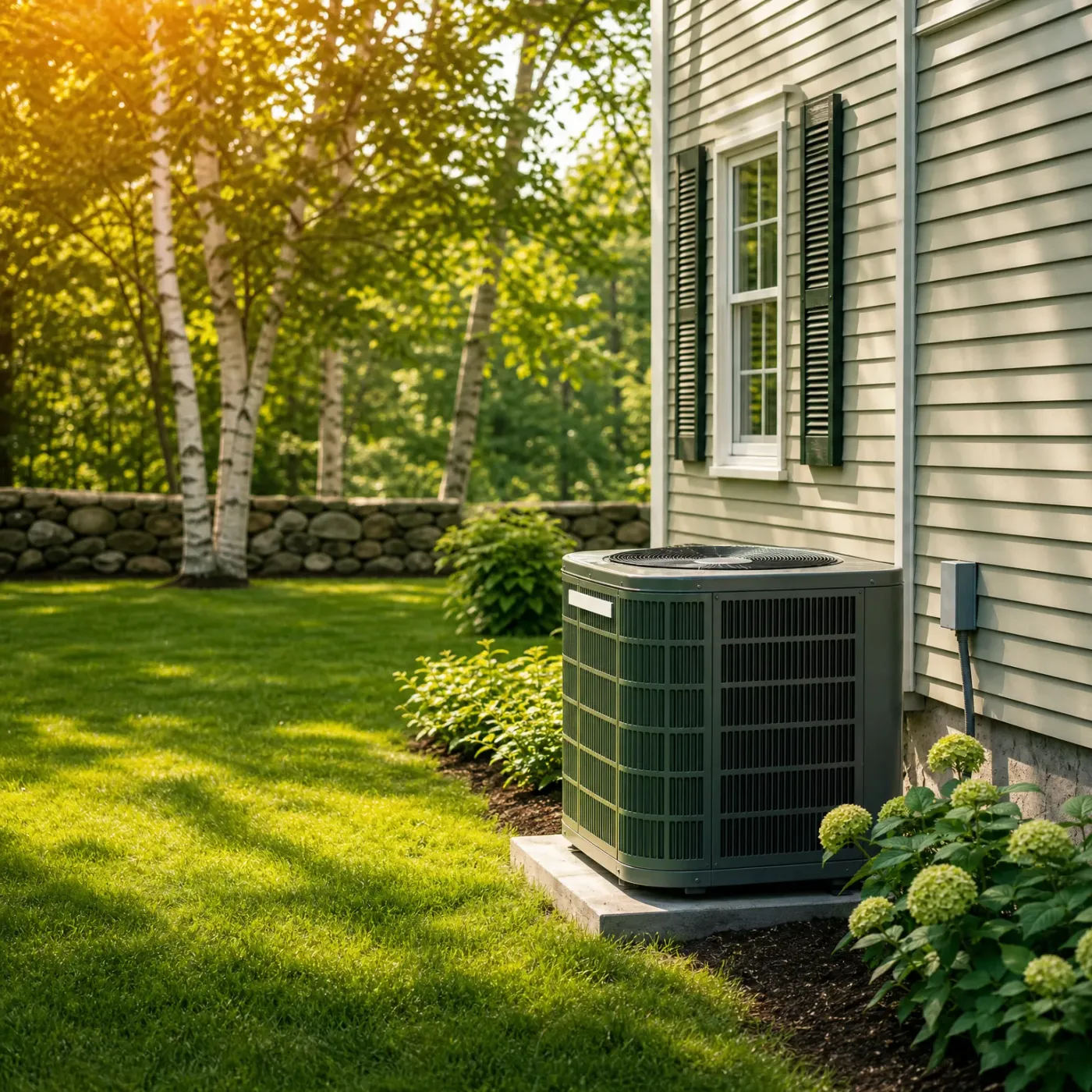
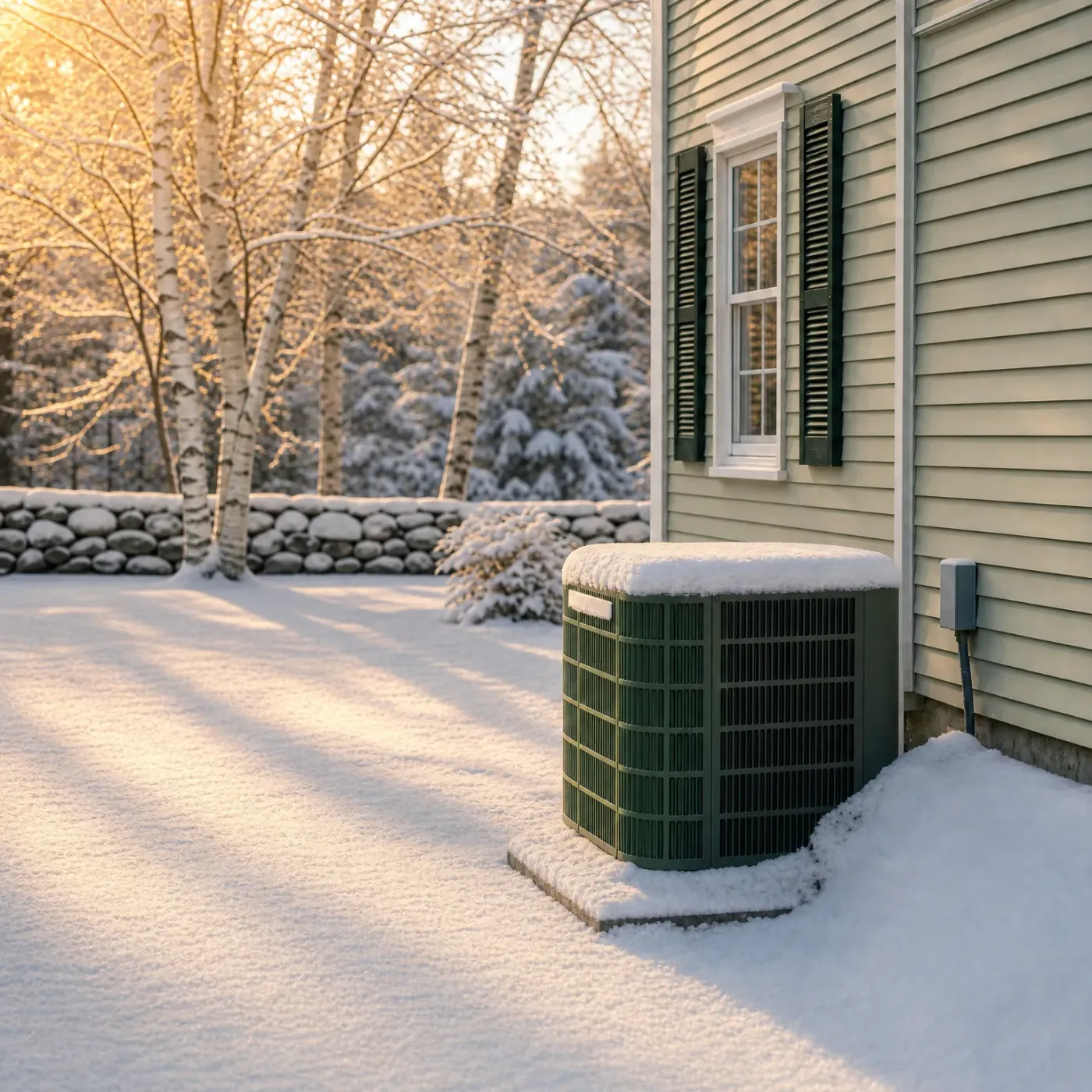
2 months of cooling, July through August
9 months of heat, September through May
What does an AC in New Hampshire face?
How hot do summer afternoons get?
79°Faverage afternoon high where people live
Alaska66°F
Arizona101°F
How many months does the cooling run?
2 monthsof cooling a year
Alaska0 months
Hawaii12 months
What does electricity cost?
23.40¢per kWh, what homes paid in 2024
North Dakota11.51¢
Hawaii42.86¢
How often do storms hit?
197severe weather events per county from 2015 to 2024
Alaska5
Wyoming1,057
How many homes lost power for a day or more?
22%of homes in 2024
Arizona7%
Maine54%
It isn't heat that wears this equipment down here
79°F is the average afternoon high here across June, July and August. That's a mild spread to hold indoors, and it's cooler than summer afternoons in 43 other states. The strain that wears out a compressor or a coil comes from running hard against heat, not from the storms that knock out power or tear up an outdoor unit. On that front New Hampshire sees less than most of the country too, less damaging wind, less hail, than most other states log over the same years. So a unit here is more likely to have a part fail on its own, a capacitor, a low charge, a stuck contactor, than to be worn down from years of heavy use. That's the case where fixing it is the right call.
What to check before you call
Before anyone comes out, check the simple things first. Look at the thermostat and make sure it's set to cool and set below room temperature, not just sitting at the current reading. Go to the breaker panel and check that the breaker for the outdoor unit hasn't tripped. Look at the outdoor unit itself. If leaves, grass clippings or a fallen branch are packed against the coil or sitting on top of the fan grille, clear them away by hand. Check the air filter where it slides into the return or the air handler. If it's gray and matted instead of white, swap it. A clogged filter starves the system of airflow and can make it ice up, and if that's happened you'll see frost on the copper lines or the indoor coil. If that's the case, turn the system off and let it thaw completely before anyone touches it, running it iced up can flood the compressor. Last thing, walk around inside and check that supply vents are open and not blocked by furniture or rugs. None of this fixes a bad capacitor or a refrigerant leak, but it rules out the things that aren't actually broken.
An old house doesn't mean an old system
Half the homes in New Hampshire were built in 1979 or earlier, and most of what's here are single-family houses, not condos or apartments. An older house doesn't mean an older air conditioner. What matters is the unit itself, not the age of the place it's attached to. If yours came with the house, that's worth knowing before a tech shows up, but it's not a reason to expect a harder repair. The usual parts fail the same way here as anywhere else.
Hail or storm debris on the outdoor unit is worth a look, even if it still runs.
Tell us about the job
Takes about a minute. No obligation.
Answer a few questions about the problem and hear from a licensed New Hampshire contractor.