





An overhead view of a residential air conditioning condenser unit mounted on a concrete pad next to a house with vinyl siding.

AC Repair in Berlin, NH

Tell us about the job

Takes about a minute. No obligation.

RepairCentral ACCoos County, NH
Step 1 of 2

What ZIP code is the job in?

An AC repair call usually comes down to one question. Is this worth fixing. A compressor on its way out is a different conversation than a weak capacitor or a clogged condensate line. The age of the unit matters less than how it has been running. A system that gets serviced regularly and just had one part fail is usually worth repairing. One that has had a string of different problems, each one patched, is telling you something else. Ask the tech what actually failed and whether that part failing is normal wear or a sign the rest of the system is going the same way. A refrigerant leak in an old coil often is not a one-time fix. If a straight answer about the actual part gives you a clear reason to repair or replace, trust that over a guess based on how old the unit looks.

73°F
the average summer afternoon it cools against
25 hail events
in ten years, and hail bends the fins on outdoor coils
62 wind events
in ten years, and wind drives debris into outdoor units
Isometric 3D cutaway render of a house with dark siding showing interior rooms, ductwork and an air handler, connected by lines to an outdoor condenser unit on a white background.
Your air conditioner works hardest from July through August.

NOAA nClimDiv, 1991–2020 normals

Afternoon highs around Berlin average 73 in summer, and most months need no cooling at all.

A system that runs this little usually has plenty of life left in it, so a repair is worth doing.

A Berlin AC breaking down is ordinary wear, not the weather

Power costs 23.4 cents a kWh statewide
Summer afternoons average 73°F
62 damaging wind events from 2015 to 2024

placeholder

It's usually worth repairing

It has an easier job here than in most places, so your air conditioner is often in decent shape. Repair is usually worth it.

Find a contractor
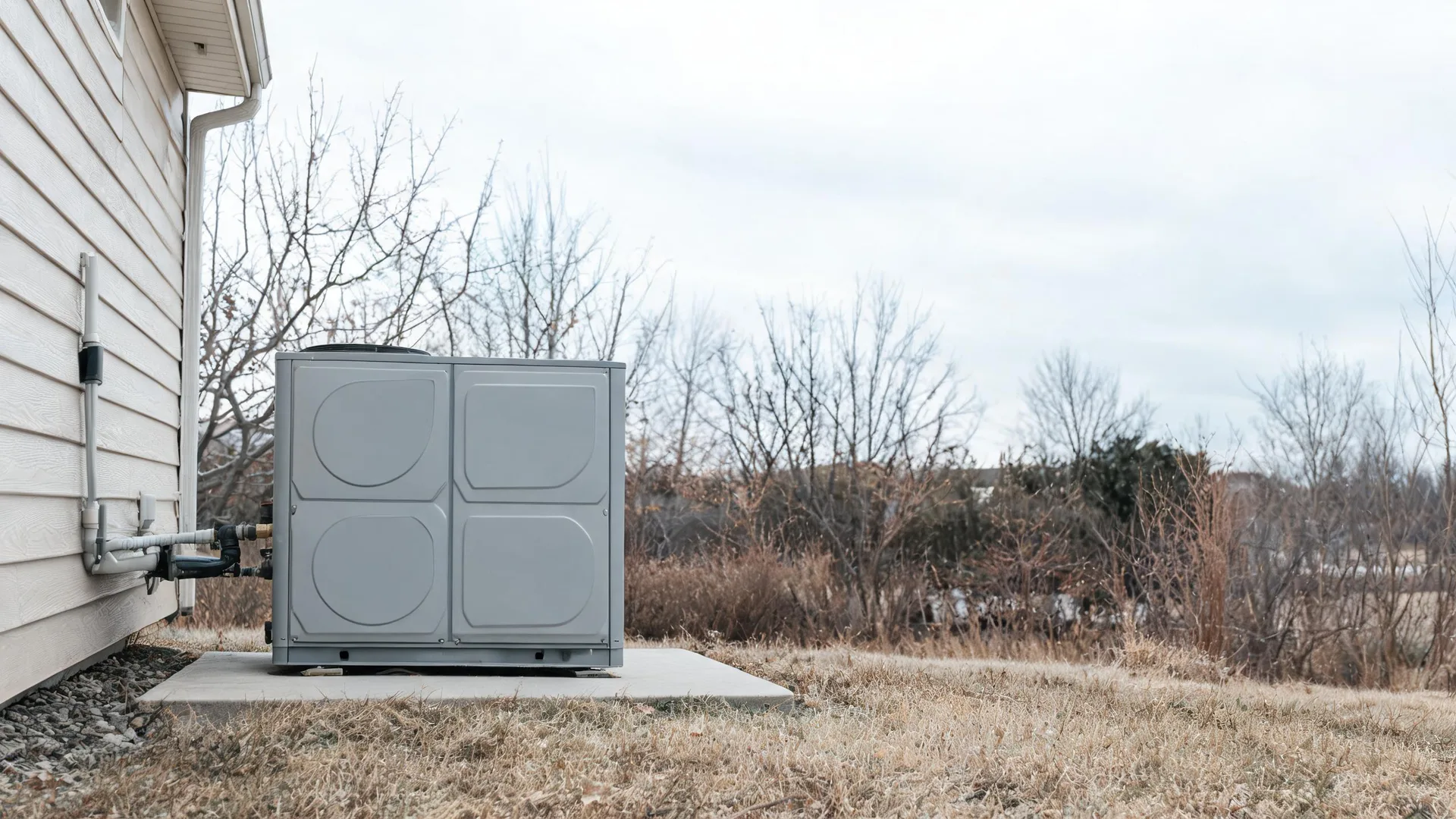
A gray metal air conditioning condenser unit mounted on a concrete pad in a flat grassy field under a partly cloudy sky.

How old is the house, and how old is the unit

If your AC came with the house, check its age against the house's. Half the homes in Coos County were built in 1969 or earlier, so plenty of systems here were swapped in well after the house went up, and some weren't. A unit from a recent install can take a repair without a second thought. One that's been there since before you owned the place is worth asking about directly. Have the tech tell you how old it actually is and what that part failing says about the rest of it.

Check the thermostat and the breaker first

Make sure the thermostat is set to cool and set below room temperature, and give it fresh batteries if it uses them. Check the breaker panel for a tripped breaker, and look for a disconnect switch near the outdoor unit that may have been bumped off. An AC that seems dead sometimes just lost power, and resetting it takes a minute.

Look at the filter and the outdoor unit

Pull the air filter and hold it up to light. If you can't see through it, that alone can starve the system and ice up the coil. Walk outside and check that the condenser isn't buried in leaves or grass clippings, and that the fan on top spins freely. These are things you can see without opening any panel.

Aerial view of a residential air conditioning condenser unit mounted on a concrete pad next to a house with vinyl siding and a sliding glass door.

A new air conditioner would save little on running costs in Coos County, so the repair decision comes down to the unit's condition.

  • An older air conditioner$70 a year
  • A new one at the federal minimum, 13.4 SEER2$70 a year

Estimates for a typical Coos County home, compared with an older unit built to the previous federal minimum, from EIA household energy data, New Hampshire fuel prices and NOAA climate normals. Your home will differ.

Repair makes sense when a part like a capacitor or contactor has failed.

Replacement makes sense when the compressor has failed or the system uses R-22 refrigerant, which is no longer made.

A diagnostic call usually starts outside at the condenser. The tech checks that the fan spins freely and looks at the coil for dirt or grass clippings packed into the fins. Then come gauges on the service ports to check refrigerant pressure. Too little points to a leak, too much points to something else, and the reading tells the tech which. Inside, they'll check the coil for ice, which usually means airflow is restricted somewhere before it. The capacitor and contactor get tested too, since those are what actually start the compressor and fan motor. A failing capacitor often shows a swollen top, which is something you can sometimes see for yourself before the tech ever opens the panel. By the end, the tech should be able to point to the part that failed and explain why, not just tell you something tripped.