
Heat Pump Repair in New Hampshire
Electricity costs homes more in New Hampshire than in 41 of the other 49 states.
Tell us about the job
Takes about a minute. No obligation.
- 15°Fwinter overnight low where people live
- 9 monthsof heat, September through May
- 79°Fsummer afternoon high where people live
- 2 monthsof cooling, July through August
Storms here hit outdoor units hard. Hillsborough County gets hit hardest.
- Northern counties need about 11% more heat than southern ones
- Winter nights average 15°F where people live
- Summer afternoons average 79°F where people live
- Heat runs September through May
- Cooling runs July through August
- 602 winter storms from 2015 to 2024


602 winter storms have hit New Hampshire between 2015 and 2024

June is the month to get a heat pump looked at here, before cooling starts in July. August matters just as much, since heat comes on in September and runs all the way to May. A unit that struggled last season usually shows the same weak point again once it has to carry a full load.
Heat pump trouble here tends to surface fast once the weather turns, not months into the season. A capacitor or contactor that was already marginal often fails in the first stretch of real heat or real cold, because that's when the system finally asks everything of it. Catching it in June or August means dealing with it before it leaves you without cooling or heat on the day you need either most.
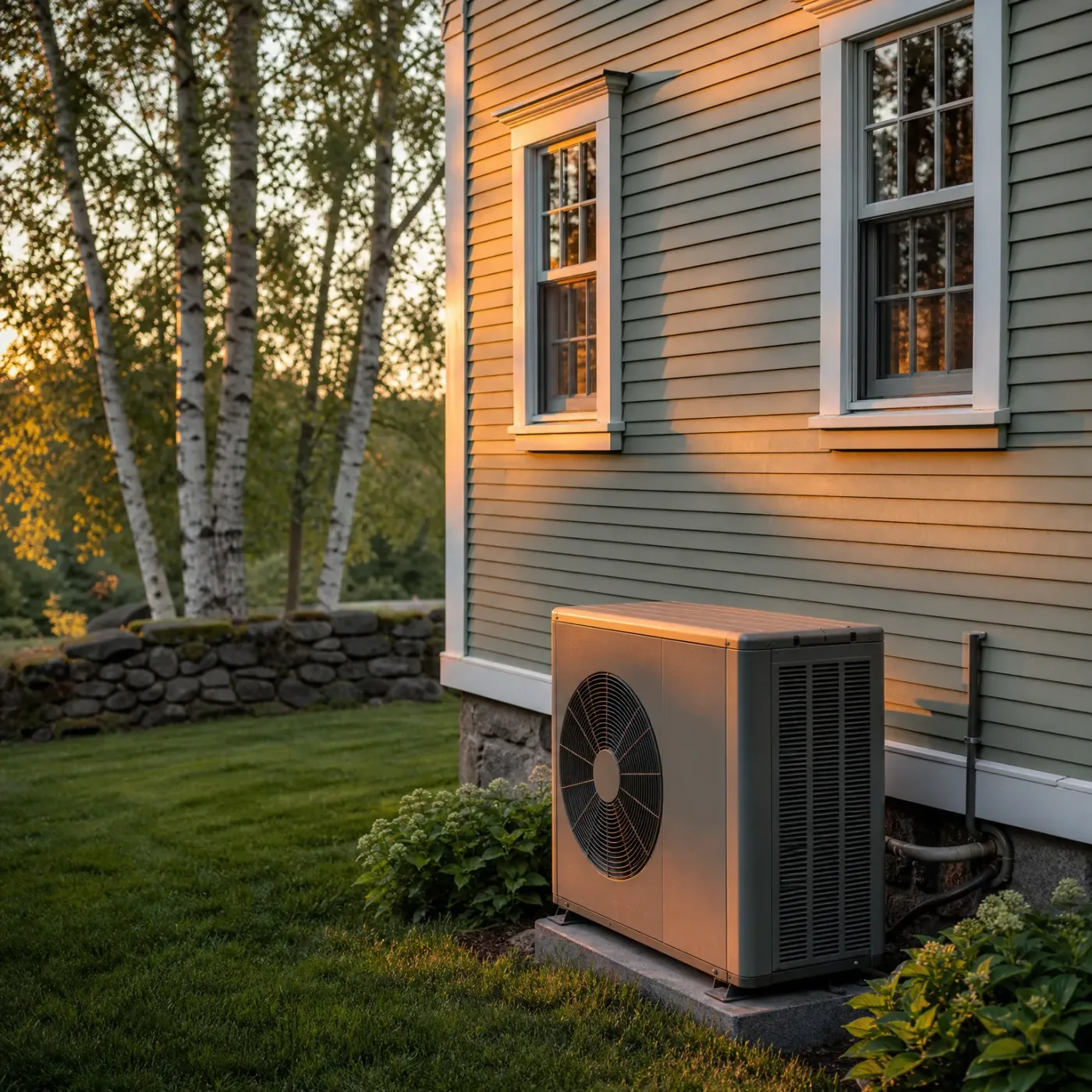
Heat need isn't the same everywhere in the state. Homes in Coos County need about 37% more heat over a year than homes in Rockingham County, which has the lowest heating need in New Hampshire. That gap shows up in how hard a heat pump works and how often it runs its defrost cycle.
Coos County winters are the harder test for this equipment. The average overnight low there runs 8°F across December, January and February. Rockingham County stays milder at 18°F. A heat pump pulling heat out of 8°F air leans on its compressor and its defrost cycle far more than one in Rockingham County ever has to.
Summer runs the other way. Rockingham County sees the hottest afternoons in the state, averaging 80°F across June, July and August. Coos County stays cooler at 73°F. A unit in Rockingham County does more real cooling work each summer, so its refrigerant charge and reversing valve are worth checking first there.
Northern counties overall need about 11% more heat over a year than southern counties. A system in the north is more likely to show trouble on the heating side first, in the defrost control or the auxiliary heat strip. A system in the south tends to show cooling-side wear sooner, since it spends more of the year pulling heat out of the house rather than putting it in.
Where the system sits in the state gives a tech a starting point before the cabinet even comes off. A unit that has spent the winter fighting 8°F nights in Coos County is carrying a different history than one that has spent summer afternoons at 80°F in Rockingham County, even if both arrive with the same complaint.
What does a heat pump in New Hampshire face?
How hot do summer afternoons get?
79°Faverage afternoon high where people live
Alaska66°F
Arizona101°F
How cold do winter nights get?
15°Faverage overnight low where people live
North Dakota4°F
Hawaii65°F
How many months does the heat run?
9 monthsof heating a year
Hawaii0 months
Alaska12 months
What does electricity cost?
23.40¢per kWh (kilowatt hours, the unit on an electric bill), what homes paid in 2024
North Dakota11.51¢
Hawaii42.86¢
How often do storms hit?
197severe weather events per county from 2015 to 2024
Alaska5
Wyoming1,057
How many homes lost power for a day or more?
22%of homes in 2024
Arizona7%
Maine54%
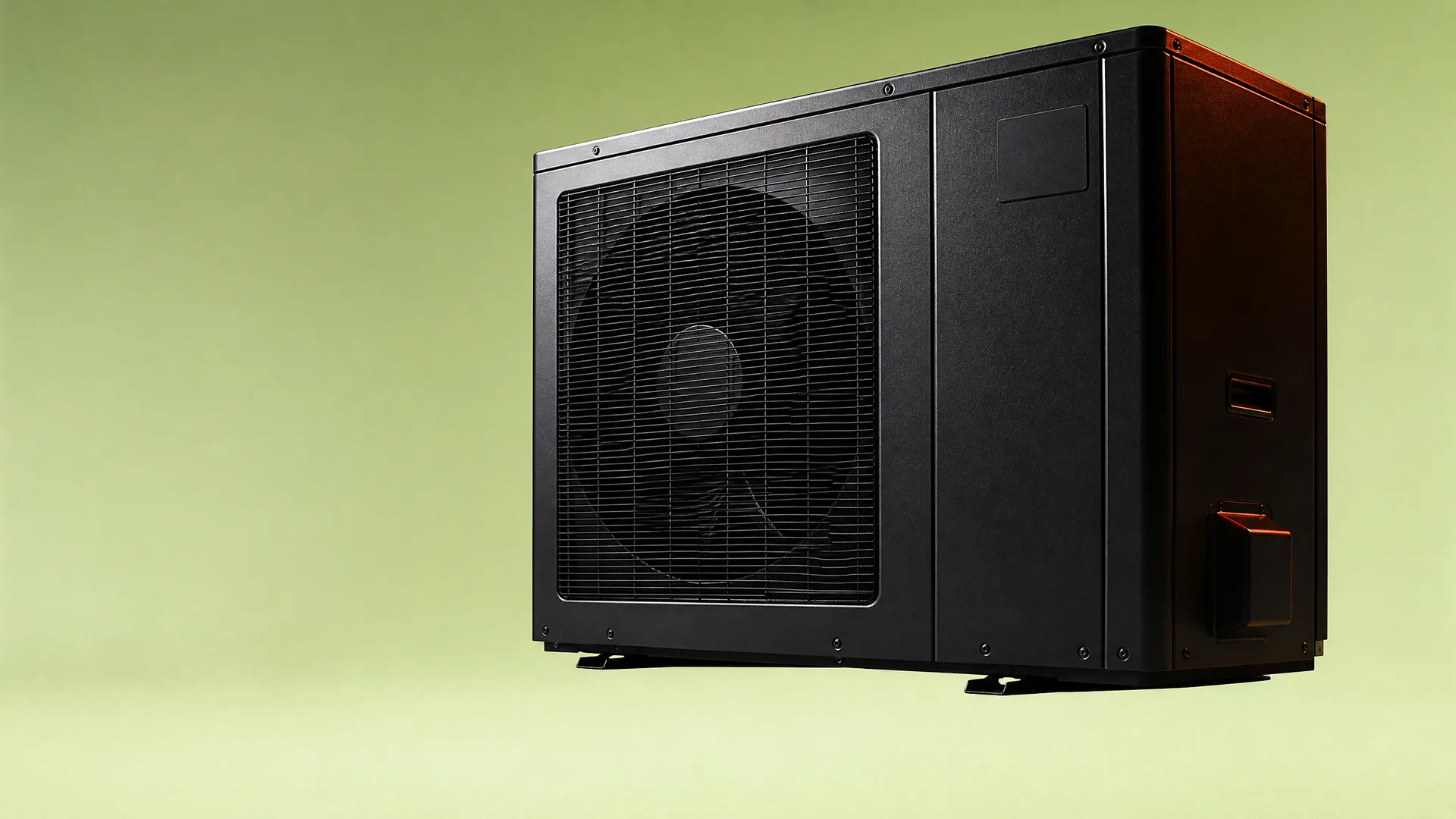
What a bad heat pump costs you here
Electricity here runs 23.40 cents per kilowatt-hour, more than 41 other states pay. A heat pump that's low on charge or stuck running its defrost cycle too often pulls more power to do the same job, heating or cooling. A reversing valve stuck halfway or a dirty coil makes the compressor work harder to move the same amount of heat. That shows up on the bill every month it runs that way, not just on the day it finally quits.
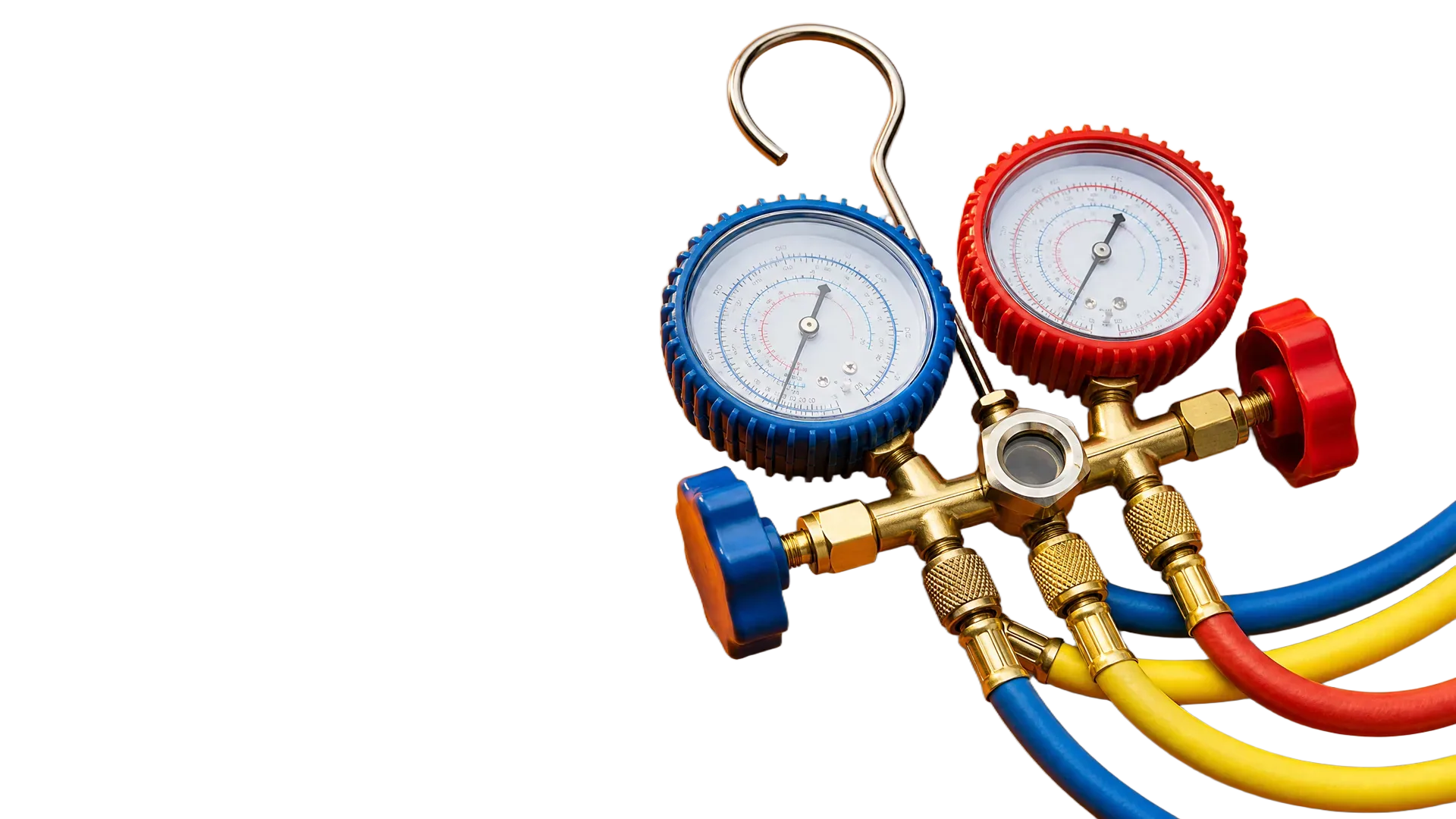
Why running it longer makes it worse
A heat pump that's struggling doesn't fail quietly. Running it while something's wrong usually turns a small problem into a bigger one. A compressor low on refrigerant charge still runs, but it runs hotter than it should, and heat does that kind of damage slowly, not all at once. A reversing valve stuck halfway makes the compressor push against itself, working hard for a result it can't fully deliver. Ice on the outdoor coil blocks airflow, and if the defrost cycle isn't clearing it, the system keeps calling for more from a coil that can't give it. A failing capacitor makes the compressor or fan motor draw extra current just to start, and that strain is what eventually burns the motor windings out. None of this fixes itself by staying on. The machine just keeps answering the thermostat, drawing on whatever's left of the part that's already going, until it gives out completely.
After the power comes back
New Hampshire's household power outages tell part of the story. 22% of homes here went at least a day without power in 2024, a worse share than 32 other states had. For a heat pump, a long outage means no heat or no cooling until power is back, and most units start up on their own once it returns. The storm side matters too. Hillsborough County has the heaviest storm record in the state, and wind is the main cause of damage to an outdoor unit, not just the big tornado or hail event. A bent fin or a cracked fan blade from wind-blown debris doesn't always stop the unit right away. It can keep running with reduced airflow for weeks before the trouble shows up as weak heating or cooling. If a storm has come through, or the power was out for a stretch, it's worth having the outdoor unit checked even if it turned back on by itself.
Your heat pump most likely has the usual problem with the usual fix, not something this house did to it.
Tell us about the job
Takes about a minute. No obligation.
Fill out the form and a licensed contractor who works on heat pumps in New Hampshire will reach out.