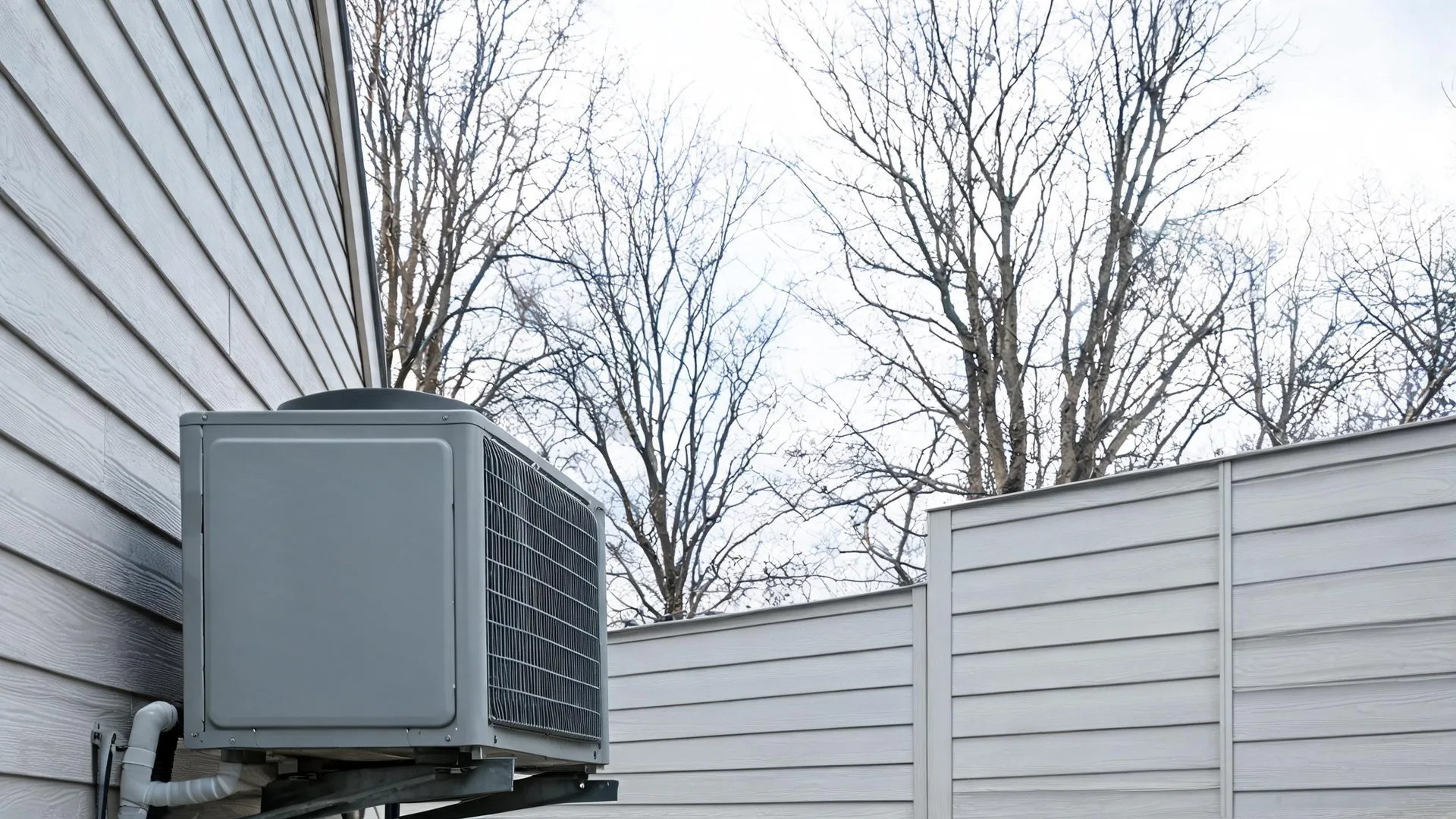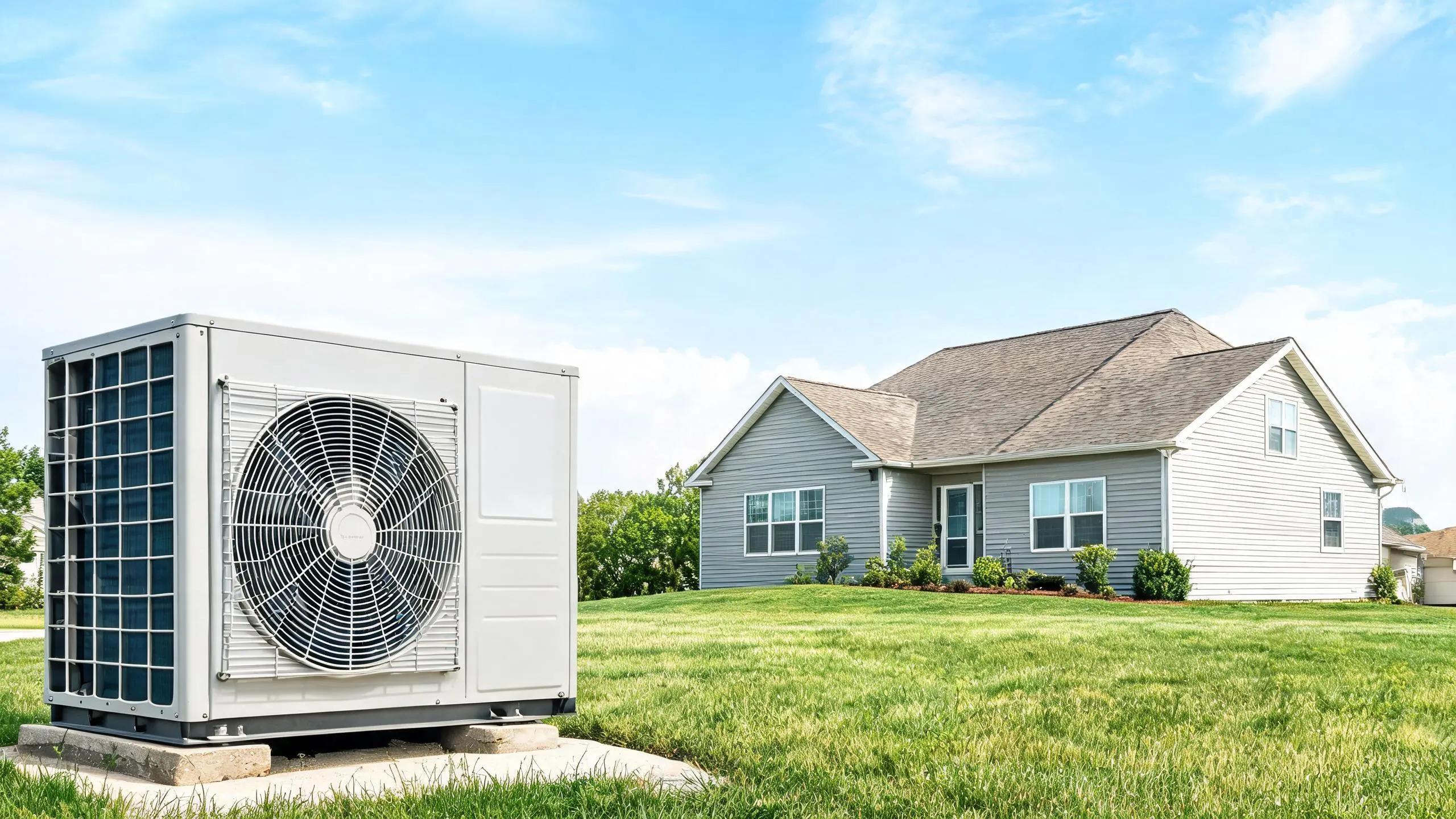
An outdoor HVAC condenser unit on a concrete pad in front of a single-story house with gray siding and a shingle roof.

Heat Pump Repair in Berlin, NH

Tell us about the job

Takes about a minute. No obligation.

RepairHeat PumpCoos County, NH
Step 1 of 2

What ZIP code is the job in?

Warm air in heating mode that isn't warm enough

A heat pump pushes out air that feels cooler than a furnace would, and that's normal. But if the air barely feels warm at all, or the system runs constantly without the house catching up to the thermostat setting, something is wrong. It could be a failing reversing valve stuck between modes, a refrigerant leak, or a compressor losing strength.


Ice building up on the outdoor unit

Some frost on the outdoor coil during a defrost cycle is normal. A heavy coat of ice that doesn't melt off, or ice that keeps coming back fast, means the defrost board, a sensor, or the reversing valve isn't doing its job. Running the system with ice built up stresses the compressor, so this isn't one to wait on.

10 months
September through June, your system heats
8°F
the average winter night it heats against
73°F
the average summer afternoon it cools against
Isometric illustration of a cutaway single-family house showing interior ductwork and an air handler, with an outdoor condenser unit connected by lines along the exterior wall.

Electricity in New Hampshire runs 23.40 cents per kilowatthour, among the higher rates in the country.

A heat pump losing its charge or stuck in the wrong mode burns through that power without heating the house.

Half the homes in Coos County date to 1969 or earlier

Half the homes here were built by 1969
62 damaging wind events from 2015 to 2024
25 hail events from 2015 to 2024

Heat here starts in September and runs through June, ten months of the year. August is the last easy month to get a heat pump looked at before it has to work. The first cold stretch is when a weak part gets found out. A reversing valve or defrost board that was already struggling will show it fast once the house is counting on heat every day. Waiting until the first hard freeze to call means waiting behind everyone else whose system picked that same week to fail.

It's probably a part you can name, not the weather

Nothing about Berlin's winters asks more of a heat pump than what it's built for. Cold snaps and storms test a weak part faster, but they don't create one. A reversing valve stuck between modes or a defrost board not cycling right is still just that, whatever the weather's doing outside. Get it looked at and fixed before the next cold stretch finds it first.

Find a contractor
A gray air-source heat pump mounted on a concrete pad next to a house with gray vinyl siding, surrounded by gravel and flanked by green shrubs and white hydrangea flowers.

How old is the equipment, not just the house

If a heat pump came with a house built decades back, repair isn't the only question worth asking. Ask what's left in the unit itself before paying for a reversing valve or a compressor repair. A contractor can tell you where it stands.

Most failures start with the reversing valve or defrost control

The reversing valve is what switches a heat pump between heating and cooling, and it fails by sticking, either partway or stuck in one mode. The defrost board fails by losing track of the cycle, leaving frost to build on the outdoor coil instead of clearing it. Both parts work constantly, every heating cycle, which is why they wear before most other parts in the system.

A refrigerant leak explains a lot of odd behavior

Low refrigerant charge shows up as weak heat, long run times, or a compressor working harder than it should. It never fixes itself and it never improves on its own. Topping off the charge without finding the leak just buys a short delay before the same symptoms come back.

A compressor that keeps running on a low charge or a stuck reversing valve doesn't just heat poorly, it wears faster while it does it. The compressor is built to pump refrigerant, not to push against the wrong pressures or work a mode it wasn't told to leave. Ice left on the outdoor coil does the same kind of damage, it blocks airflow and makes the compressor strain to pull heat from air it can barely reach. None of this fixes itself by waiting. A part that's struggling in one mode or with a partial charge keeps struggling, cycle after cycle, until it's the compressor that needs replacing instead of the valve or board that caused it.

A heat pump that needs a part replaced isn't necessarily near the end of its life. Reversing valves, defrost boards, and sensors can all be swapped out on their own, and doing so brings a unit back to normal if the compressor hasn't been damaged by the time it's fixed. The compressor is the part that's expensive to replace and the part that decides whether repair still makes sense. If it's still pumping refrigerant the way it should, a repair is usually worth doing. If it's been straining for a while, running hot or losing capacity, replacing the whole system can make more sense than paying to fix everything around a compressor that's already worn down. A contractor checking refrigerant pressures and compressor performance can tell you which side of that line a given unit is on.