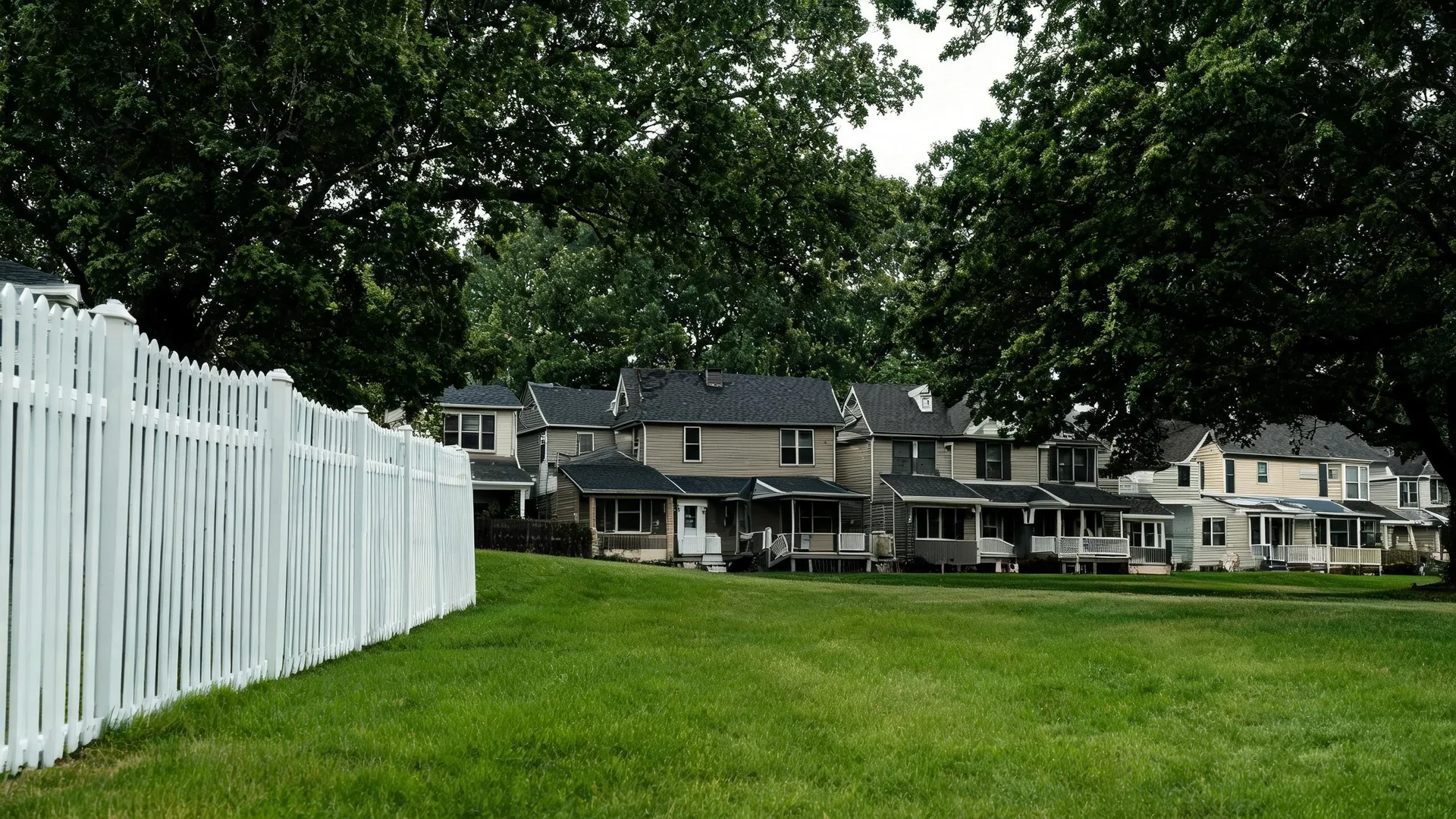





A white picket fence runs along the left edge of a mowed grass lawn, with a row of two-story houses with porches and large leafy trees behind them.

AC Repair in Claremont, NH

Tell us about the job

Takes about a minute. No obligation.

RepairCentral ACSullivan County, NH
Step 1 of 2

What ZIP code is the job in?

Cooling here only runs in July. Most AC units in Claremont sit unused from fall through spring, and June is really the only chance to catch a problem before the heat arrives. A unit that struggled last July will usually show the same trouble again, since nothing about it changed while it sat idle. If yours is already acting up now, get it looked at rather than waiting to see if it clears up on its own. Once July's heat hits, that same weak part is working under full load with no slack left.

1 months
July through July, your air conditioner is on duty
77°F
the average summer afternoon it cools against
14 hail events
in ten years, and hail bends the fins on outdoor coils
58 wind events
in ten years, and wind drives debris into outdoor units
Isometric cutaway illustration of a small home interior with furniture and ducting, showing an indoor air handler connected by lines to an outdoor condenser unit on a pad.
Your air conditioner works hardest from July through July.

NOAA nClimDiv, 1991–2020 normals

Claremont's air conditioners only earn their keep in July, with afternoon highs around 77°F.

One easy month a year means most repairs here are fixing a part that failed, not a machine that got run into the ground.

Sullivan County weather doesn't single out your AC. A worn part does.

111 severe weather events from 2015 to 2024
22% of homes statewide lost power a day or more in 2024
58 damaging wind events from 2015 to 2024

A system here doesn't fail from overwork. It fails the same way it would anywhere else. A capacitor weakens. A contactor pits. A coil gets dirty enough to choke airflow. New Hampshire electricity ran 23.40 cents per kilowatthour in 2024, so a unit short on refrigerant or straining through a dirty coil costs more to run every day it sits unfixed. That cost shows up on the bill before the unit quits outright. Worth knowing before you decide whether to fix it now or wait.

The fix doesn't depend on how old your system is

Half the homes in Sullivan County were built in 1974 or earlier, half in 1974 or later. Age isn't what decides whether this repair is worth doing. A worn capacitor or a dirty coil shows up the same way in a new system as an old one, and the fix is the same either way. Get the actual cause checked before the heat puts full load on it.

Find a contractor
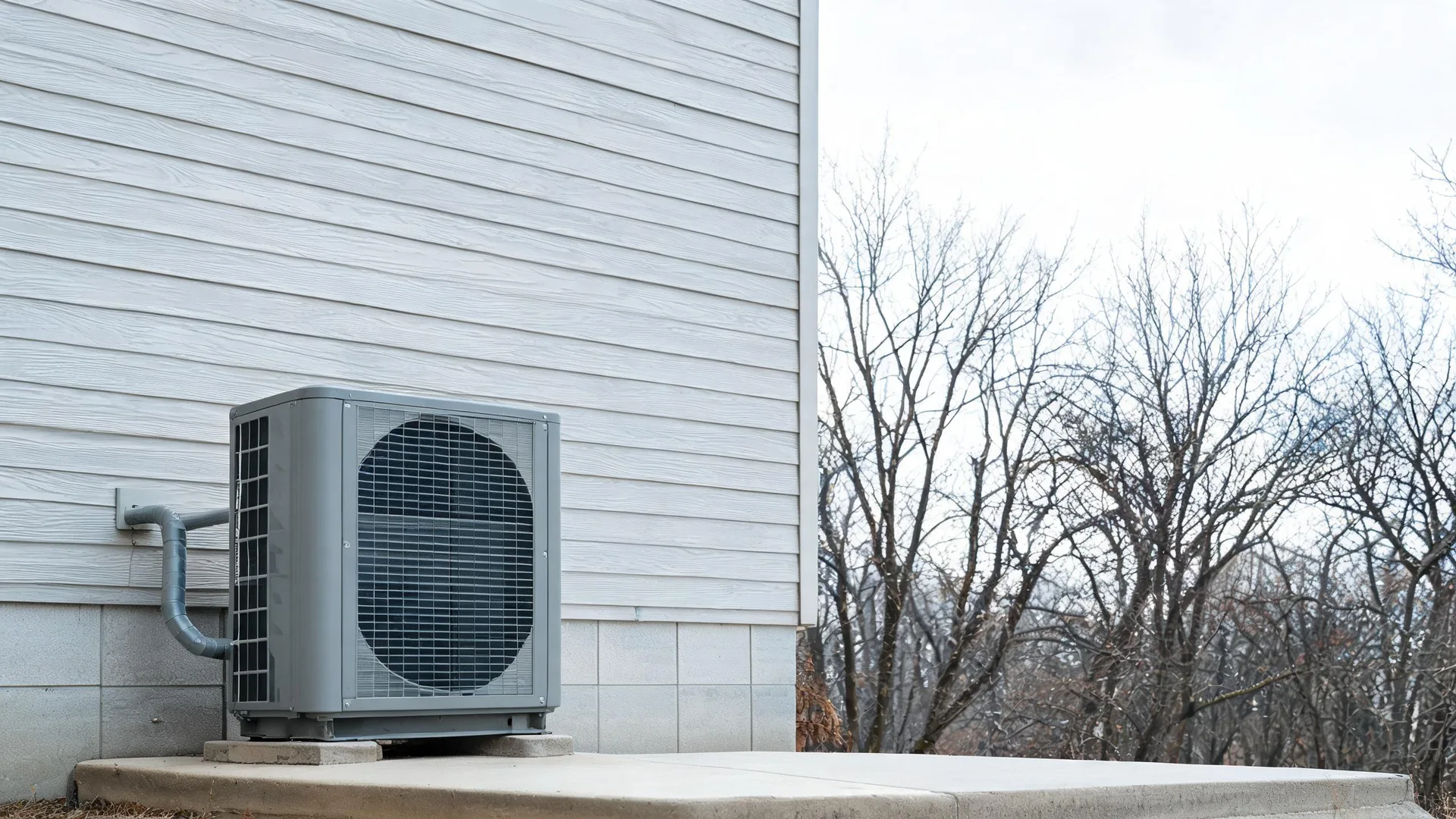
A gray residential air conditioner condenser unit mounted on a concrete pad in an open grass field.

One month of work, not a season of strain

A repair done now only has to hold up through July. There's no long run of hot months afterward putting strain back on the part. Fix the actual cause and it should get you through the summer without a repeat visit.

Most failures sit in a few spots

The capacitor, the contactor, the fan motor and the coil account for nearly everything that goes wrong in a home AC. The capacitor gives the compressor and fan motor the jolt they need to start, and it weakens with age until the motor can't turn over. The contactor is the switch that feeds power to the outdoor unit, and its contacts pit and burn from years of opening and closing. Either one can fail without warning, even in a system that ran fine the last time it was used.

Some parts take longer to find

A capacitor shows weak on a meter right away. A pitted contactor is visible as soon as the panel's off. A refrigerant leak or a coil choked with dirt takes longer to track down, since the symptoms look similar to other problems at first. Both still show up less often than a bad capacitor or contactor. What's actually wrong decides whether the visit is quick or runs long.

Aerial view of a square outdoor air conditioning condenser unit on a concrete pad beside a house wall with a sliding glass door.

A new air conditioner would save little on running costs in Sullivan County, so the repair decision comes down to the unit's condition.

  • A new one at the federal minimum, 13.4 SEER2$150 a year
  • An older air conditioner$160 a year

Estimates for a typical Sullivan County home, compared with an older unit built to the previous federal minimum, from EIA household energy data, New Hampshire fuel prices and NOAA climate normals. Your home will differ.

Repair makes sense when a part like a capacitor or contactor has failed.

Replacement makes sense when the compressor has failed or the system uses R-22 refrigerant, which is no longer made.

Repair and replacement come down to what's actually failed and what else is likely to follow it. A capacitor or contactor is a straightforward swap, and once it's in, the rest of the system has nothing to do with whether that part held up. A coil leaking refrigerant is a different question, since the compressor has been running low and working harder than it should, and that wear doesn't undo itself once the leak is fixed. If the compressor itself has failed, replacing it alone rarely makes sense next to replacing the unit, since a compressor that age has usually got company coming. The question worth asking isn't how old the system is, it's whether the failed part was an isolated weak link or a sign the rest is wearing down the same way.