An outdoor air conditioning condenser unit mounted on a concrete pad next to a blue-sided residential house at sunset.

AC Repair in Keene, NH

Tell us about the job

Takes about a minute. No obligation.

RepairCentral ACCheshire County, NH
Step 1 of 2

What ZIP code is the job in?

Check the thermostat and the breaker first

Make sure the thermostat is set to cool and the temperature is actually below room temperature. Then check the breaker panel for your outdoor unit and your air handler. A tripped breaker often means the system tried to start against a problem and shut itself off, which is worth telling the contractor when they call.


Look at the air filter and the outdoor unit

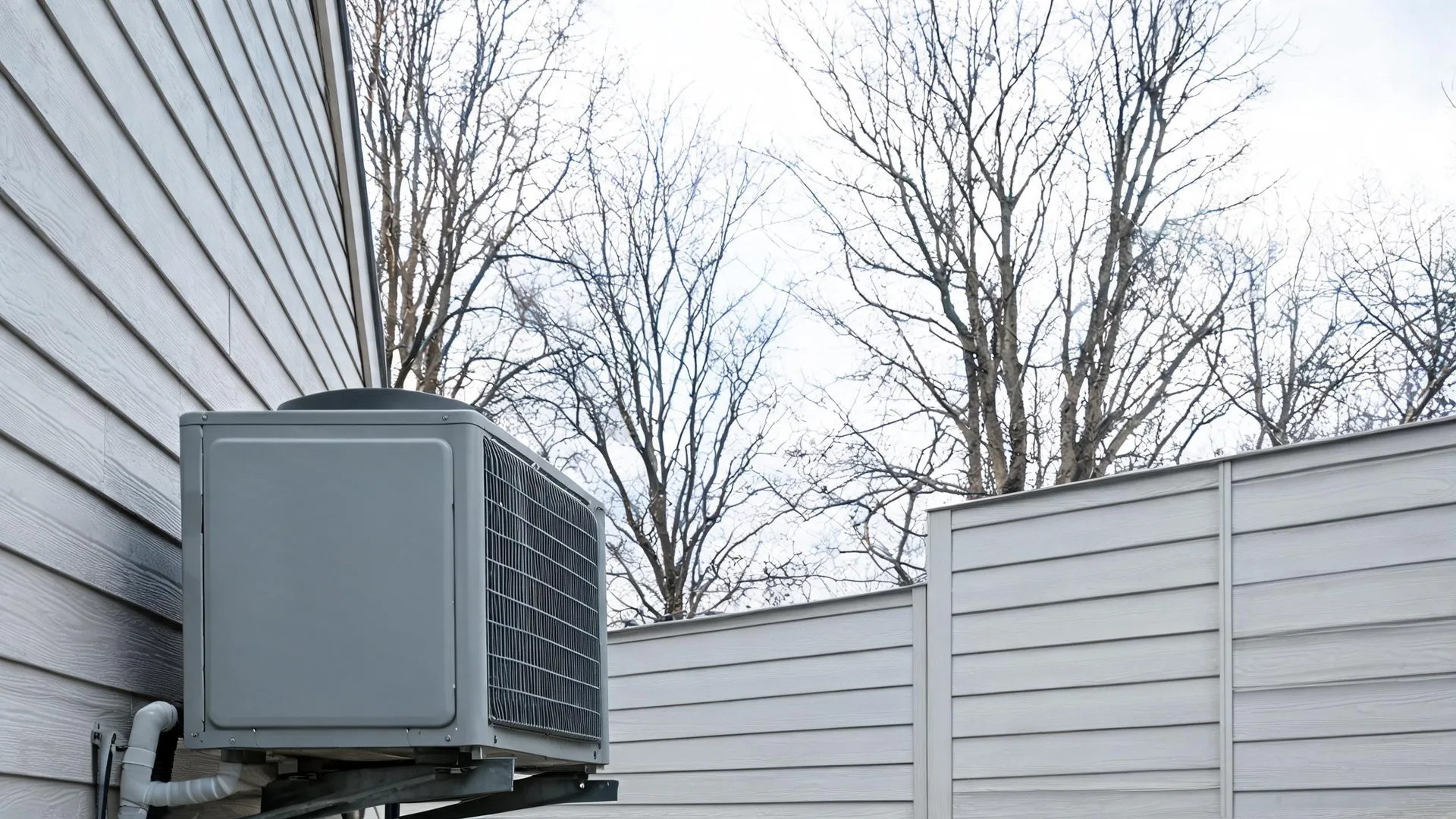
Pull the filter and hold it up to light. If you can't see light through it, that's restricting airflow and can make the coil freeze. Outside, check that the condenser isn't blocked by leaves, grass clippings or anything stacked against it. Clearing debris is safe to do yourself. Anything involving refrigerant or the electrical side of the unit is not.

2 months
July through August, your air conditioner is on duty
78°F
the average summer afternoon it cools against
43 hail events
in ten years, and hail bends the fins on outdoor coils
164 wind events
in ten years, and wind drives debris into outdoor units
Isometric cutaway illustration of a single-story house showing interior rooms, ceiling ductwork connected to an indoor air handler, and an outdoor condenser unit beside the exterior wall.
Your air conditioner works hardest from July through August.

NOAA nClimDiv, 1991–2020 normals

Keene gets about two months of real cooling weather, July and August, with afternoon highs averaging 78.

A compressor that only works two months a year doesn't wear out fast, so a repair usually makes sense before replacement does.

Keene doesn't push an AC hard, so a repair bill here is usually a fair one

Power costs 23.4 cents a kWh statewide
Cooling runs July through August
Summer afternoons average 78°F
Keene runs its AC two months a yearCooling starts in July, and most repair calls come in the first weeks of the season.

A diagnostic visit starts outside at the condenser. The tech checks that the fan spins freely and that the compressor is drawing the right current, then moves to the refrigerant lines to see if the charge is low. Low refrigerant almost always means a leak somewhere, not just a system that needs a top off, so finding where it's escaping matters as much as the gauge reading. Inside, they'll pull the access panel at the air handler and look at the coil and the blower, checking for a coil caked in dust or iced over, which points back to restricted airflow. They'll also test the capacitor, since a weak one is one of the most common reasons a compressor hums but won't start. By the time they're done, they should be able to tell you which part failed and why, not just that something did.

It's usually worth repairing

It has an easier job here than in most places, so your air conditioner is often in decent shape. Repair is usually worth it.

Find a contractor
A man in a dark long-sleeve shirt and tan work pants carries a worn tool bag up concrete steps toward a green front door of a house with siding and a potted shrub.
A gray residential air conditioner condenser unit mounted on a concrete pad in an open grass field.

Two months of work a year, not much wear to show for it

Two months of real work a year is not much to show wear. If your air conditioner is acting up after sitting idle since last August, the problem is more likely a part that aged or a connection that corroded over the winter than a system that got run into the ground. That's worth knowing before you decide what to do about it. A repair on a unit with this little runtime behind it still has a lot of life left to protect.

A frozen coil needs the system off, not more runtime

Once ice starts forming on the coil, letting the system keep running adds more ice, not less. The blower can't push air past a coil that's icing over, so airflow drops further and the ice builds faster. Left running, that ice can work its way into the suction line and hold the compressor wet when it tries to start, which is a harder failure than the airflow problem that started it.

A struggling compressor wears out faster the more it's asked to start

A compressor low on charge or running on a weak capacitor has to work harder to start and keep running. Each cycle like that puts more heat into the motor windings than a normal cycle would. Shutting the system off when it's struggling gives the motor a chance to cool. Leaving it running or letting it cycle on and off all day pushes a part that might have been repairable toward one that has to be replaced.

An overhead view of a residential air conditioning condenser unit mounted on a concrete pad next to a house with vinyl siding.

A new air conditioner would save little on running costs in Cheshire County, so the repair decision comes down to the unit's condition.

  • A new one at the federal minimum, 13.4 SEER2$190 a year
  • An older air conditioner$200 a year

Estimates for a typical Cheshire County home, compared with an older unit built to the previous federal minimum, from EIA household energy data, New Hampshire fuel prices and NOAA climate normals. Your home will differ.

Repair makes sense when a part like a capacitor or contactor has failed.

Replacement makes sense when the compressor has failed or the system uses R-22 refrigerant, which is no longer made.

Age matters more than symptoms when you're weighing repair against replacement. An old compressor or coil has had a long time for corrosion to work on the refrigerant lines and the cabinet, so a leak at that point is often the first of more to come. A newer system with one failed part, a capacitor or a contactor, is usually a straightforward repair with nothing else wrong around it. The other thing worth asking is whether this is the first repair or one of several this year. A single failure is bad luck. Repeated failures, even small ones, usually mean something upstream is stressing the whole system, and that's a different conversation than fixing what's in front of you.