





A row of illuminated white colonial houses along a road photographed at dusk.

AC Repair in Lebanon, NH

Tell us about the job

Takes about a minute. No obligation.

RepairCentral ACGrafton County, NH
Step 1 of 2

What ZIP code is the job in?

Before you call, check the thermostat is set to cool and the temperature is actually below room temperature. Go to the breaker box and make sure the breaker for the air handler and the outdoor unit haven't tripped. Pull the filter and hold it up to a light. If you can't see through it, that's likely choking the airflow and worth swapping before anything else. Look at the outdoor unit and clear away any leaves, grass clippings or mulch piled against the side of it, since it needs open airflow to dump heat. If the system runs but the air coming out feels warm, or you hear it cycling on and off every few minutes, those are worth mentioning to whoever comes out, since they point to different problems.

76°F
the average summer afternoon it cools against
30 hail events
in ten years, and hail bends the fins on outdoor coils
133 wind events
in ten years, and wind drives debris into outdoor units
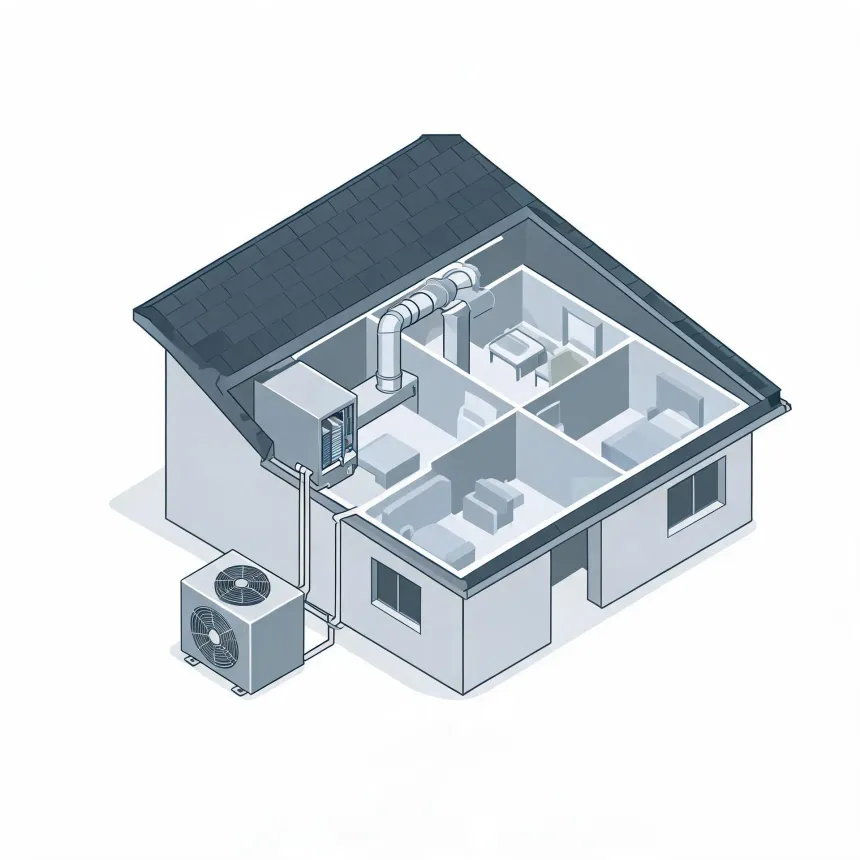
Isometric cutaway illustration of a single-story house showing interior rooms, ceiling ductwork connected to an indoor air handler, and an outdoor condenser unit beside the exterior wall.
Your air conditioner works hardest from July through August.

NOAA nClimDiv, 1991–2020 normals

Summers here top out around 76 degrees, and some years barely ask the compressor to work at all.

An AC in Lebanon spends most of its life idle, so a repair is usually fixing age or neglect, not a machine worn out from the job.

76°F summers don't strain a compressor. Most repairs here just mean something wore out on its own.

Power costs 23.4 cents a kWh statewide
Summer afternoons average 76°F
133 damaging wind events from 2015 to 2024

Half the homes in Grafton County were built in 1981 or later, so there's a good chance yours is one of them. If your AC came with a newer house, it hasn't had decades to wear down, and whatever's wrong is more likely a single part than a system in decline. A capacitor, a contactor, a low charge from a small leak, that kind of thing gets fixed, not replaced. Worth asking the contractor straight out whether what they're seeing is wear you'd expect at this age or something that shouldn't have happened yet.

It's usually worth repairing

It has an easier job here than in most places, so your air conditioner is often in decent shape. Repair is usually worth it.

Find a contractor
A man in a cap, dark shirt and tan work pants carries a canvas tool bag up stone steps toward a green front door flanked by potted shrubs.
An outdoor air conditioning condenser unit mounted on a concrete pad surrounded by gravel, photographed against a partly cloudy blue sky.

Low hours, not a worn-out machine

The clip beside this shows the pattern. Long idle stretches, short runs. That is the job here. A compressor that short-cycled through decades of mild summers still has fewer hours on it than one running full seasons elsewhere. When a tech opens the panel, they are more likely looking at a part that gave out on its own than a system that is used up. Worth asking what the wear actually looks like before you agree to anything bigger than a repair.

Warm air, weak air, or no air

A unit blowing air that isn't cold usually means low refrigerant or a compressor that isn't pulling its weight. Weak airflow from a vent points somewhere else, often a blower motor or a coil that's iced over. If nothing moves at all when you set the thermostat to cool, the problem is likely electrical, a dead capacitor, a bad contactor, or a control board that isn't sending the signal.

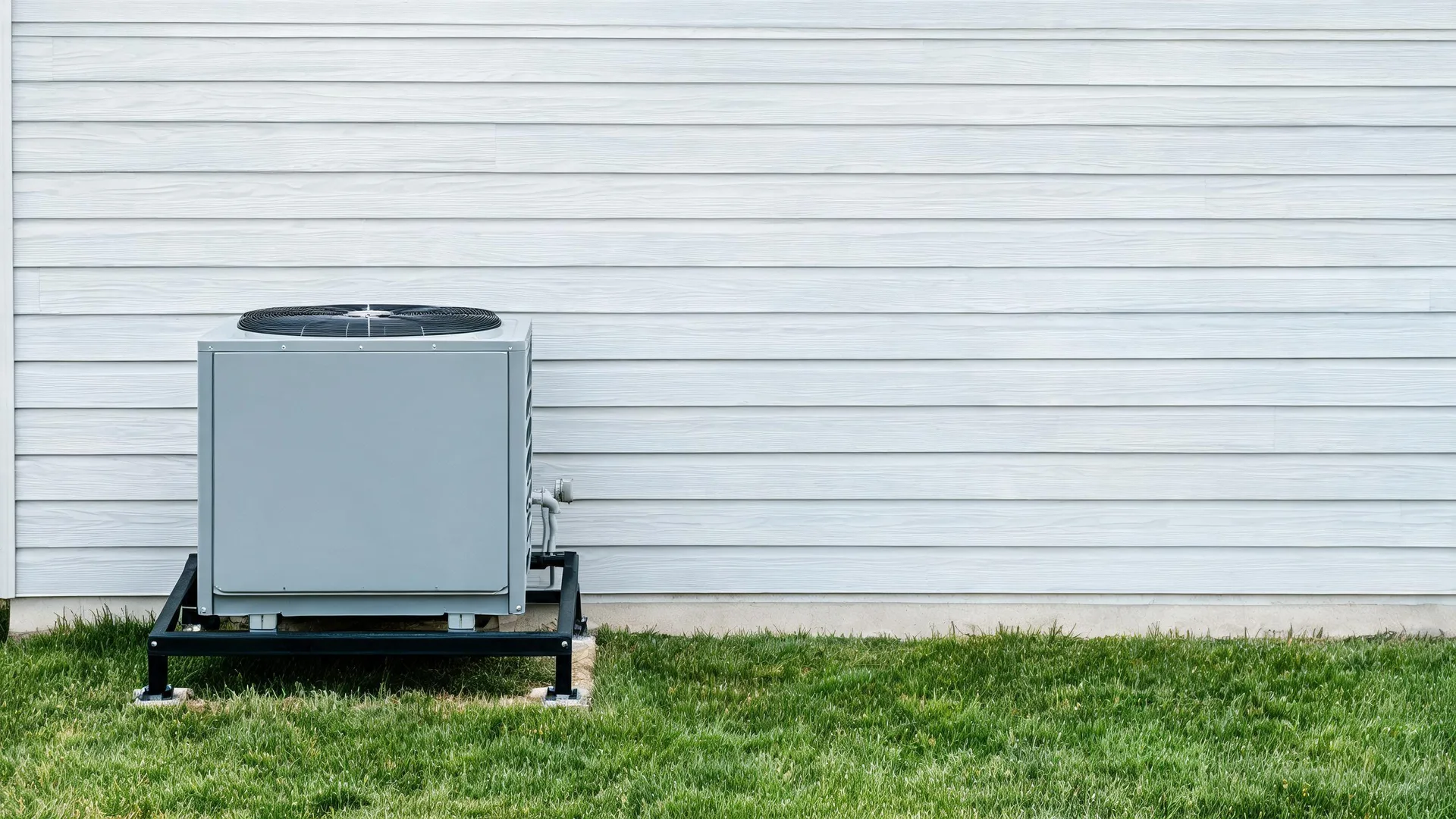
What you hear matters as much as what you feel

A grinding or screeching sound from the outdoor unit usually means a motor bearing is failing. Rapid clicking as it tries to start points to the capacitor or contactor. Any of these get worse the longer the system keeps running, so a technician can often fix a single part now instead of a whole motor or compressor later.

An outdoor air conditioning condenser unit positioned beside a blue-sided house at sunset.

A new air conditioner would save little on running costs in Grafton County, so the repair decision comes down to the unit's condition.

  • A new one at the federal minimum, 13.4 SEER2$100 a year
  • An older air conditioner$110 a year

Estimates for a typical Grafton County home, compared with an older unit built to the previous federal minimum, from EIA household energy data, New Hampshire fuel prices and NOAA climate normals. Your home will differ.

Repair makes sense when a part like a capacitor or contactor has failed.

Replacement makes sense when the compressor has failed or the system uses R-22 refrigerant, which is no longer made.

A repair makes sense when the rest of the system is sound and the failure is just one part giving out. A capacitor, a contactor, a fan motor. These wear on their own schedule and don't say anything about the compressor or the coils. Replacement starts to make more sense when a tech finds more than one thing going wrong at once, or when the fix on the table is a stopgap on a system already leaking refrigerant or struggling to hold its charge. Age by itself isn't the deciding factor. A unit that's been looked after can outlast one that's been neglected, even if the neglected one is younger. Ask what exactly failed and why, and whether that failure says anything about the rest of the system. A straight answer to that tells you more than the age of the unit ever will.