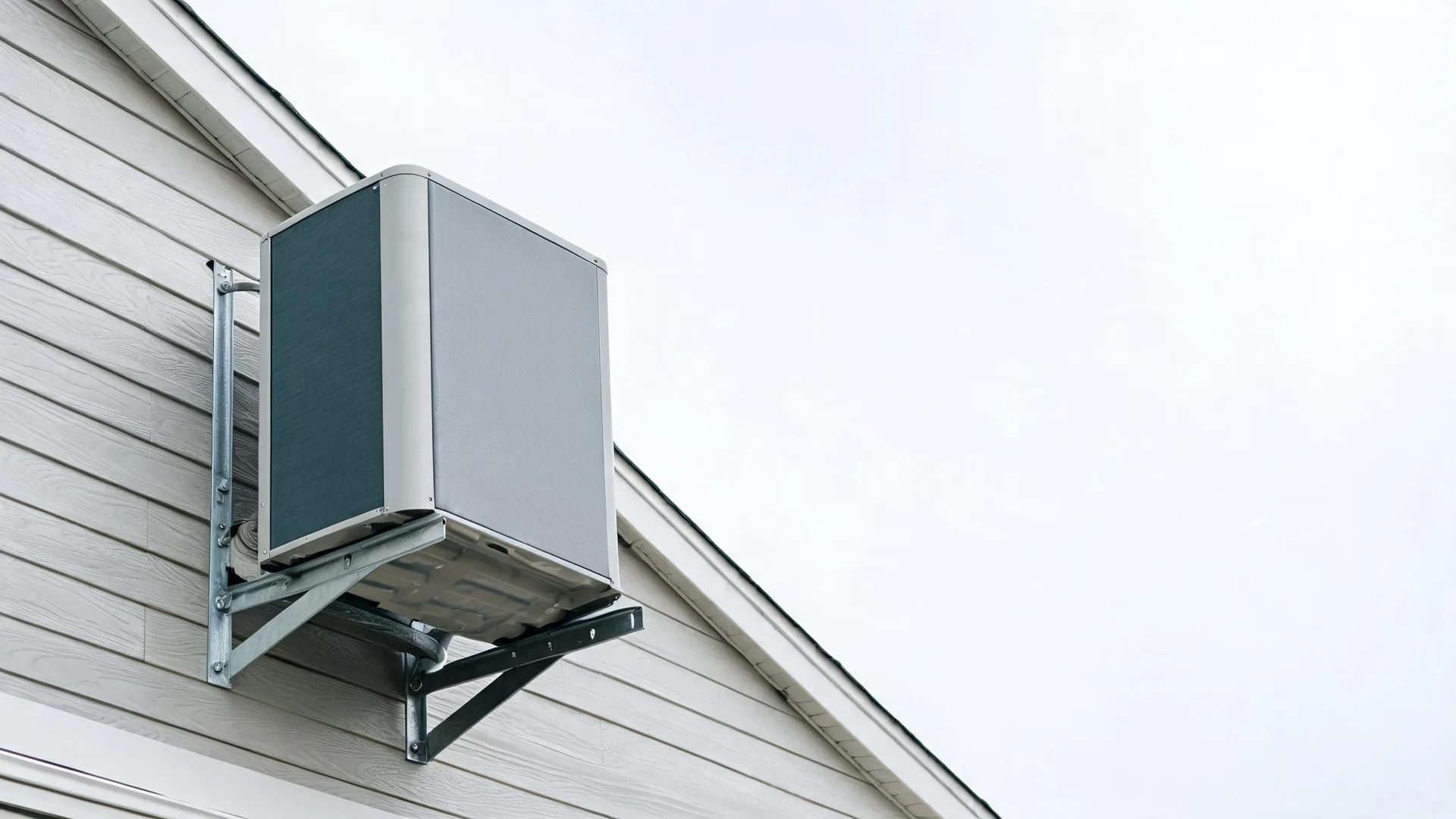
Overhead view of an air conditioning condenser unit on a concrete pad next to a house with asphalt shingle roofing and vinyl siding.

AC Repair in Concord, NH

Tell us about the job

Takes about a minute. No obligation.

RepairCentral ACMerrimack County, NH
Step 1 of 2

What ZIP code is the job in?

The tech checks before touching anything

A diagnostic starts with the thermostat settings, the air coming out of the vents, and the sounds the unit makes on startup. The tech checks refrigerant pressure, looks at the capacitor and contactor, and inspects the coil for ice or dirt. Most of this happens before any panel comes off, because the symptoms usually point to where the problem lives.


The diagnosis decides what happens next

Once the tech finds the failed part, whether it's a weak capacitor, a low charge, or a clogged coil, they can tell you if it's a quick fix or something bigger. A system low on refrigerant means checking for a leak, not just adding more. The diagnosis is what tells you whether to repair it or start weighing other options.

2 months
July through August, your air conditioner is on duty
79°F
the average summer afternoon it cools against
21 hail events
in ten years, and hail bends the fins on outdoor coils
79 wind events
in ten years, and wind drives debris into outdoor units
Isometric cutaway illustration of a single-story house showing interior rooms with furniture, overhead ductwork, an indoor air handler unit, and an outdoor condenser unit connected by lines at the side of the building.
Your air conditioner works hardest from July through August.

NOAA nClimDiv, 1991–2020 normals

Concord AC runs July through August.

The first weeks of July are when a weak part finally gets tested, so that's when repair calls spike.

A Concord AC that fails in July is usually just old or worn, not beaten by anything unusual here

Half the homes here were built by 1977
Cooling runs July through August
Summer afternoons average 79°F

Concord AC only has to work hard for about two months a year. June, July and August average 79°F in the afternoon, and that's a mild ask for a compressor built to handle real heat. The rest of the year the unit mostly sits idle. That matters when something breaks, because a part that fails under light, short-season use usually failed from age or neglect, not from being pushed past what it was built for. So when a tech finds the problem, repair is worth considering more often than not. The machine itself has had an easy life here, even if the part that quit on you hasn't.

Get it looked at before a worn part quits for good

A worn part here is usually ordinary wear, and that's the kind of problem a repair fixes for good. It only gets more involved once the part fails outright and the unit stops cooling. Electricity in New Hampshire runs 23.40 cents per kilowatt-hour, so a unit that's not fixed keeps costing something every day it sits broken.

Find a contractor
A man in a cap, dark shirt and brown work pants, seen from behind, climbs wooden porch steps toward a green front door while carrying a worn canvas bag.
A gray residential air conditioner condenser unit mounted on a concrete pad in an open grass field.

What to check before you call

Before anyone comes out, check the easy things first. Go to the thermostat and make sure it's set to cool and set below room temperature, not just on. Check the breaker box for a tripped breaker on the AC circuit, and look for a power switch near the indoor unit that might have been bumped off. Pull the air filter and hold it up to a light. If you can't see light through it, that's enough to choke airflow and ice up the coil. Walk outside to the condenser and clear away any leaves, grass clippings or a fence line that's grown in close, the coil needs open air around it to shed heat. Look at the drain line near the indoor unit for standing water or a shutoff float that's tripped, some systems kill the whole unit when that pan fills up. None of this calls for taking a panel off or touching electrical. If the unit still won't run, or it runs but the air isn't cold, that's the point to stop checking and let a tech take it from here.

A weak part doesn't fail on its own schedule

A compressor running on a low charge keeps drawing hard to do the same job, and the heat that should move through the coil backs up into the motor windings instead. A clogged coil iced over makes the compressor pull liquid refrigerant back into itself instead of gas, which is the kind of damage that turns a part swap into a compressor replacement.

The unit can't tell you to stop

An AC has no sense of its own wear. It will keep cycling on a failing capacitor or a dirty coil until something downstream gives out, usually the compressor itself, because that's the one part with nothing else to protect it. Shutting the system off at the first sign of trouble, the hard start, the ice, the short cycling, is what keeps a repair a repair.

An outdoor central air conditioning unit mounted on a concrete pad beside a blue-sided house at sunset.

A new air conditioner would save little on running costs in Merrimack County, so the repair decision comes down to the unit's condition.

  • A new one at the federal minimum, 13.4 SEER2$210 a year
  • An older air conditioner$220 a year

Estimates for a typical Merrimack County home, compared with an older unit built to the previous federal minimum, from EIA household energy data, New Hampshire fuel prices and NOAA climate normals. Your home will differ.

Repair makes sense when a part like a capacitor or contactor has failed.

Replacement makes sense when the compressor has failed or the system uses R-22 refrigerant, which is no longer made.

Age matters more than the calendar when you're deciding whether to fix a unit or replace it. A compressor that's run for many seasons has a lifespan built into it, and once it starts drawing hard or short cycling, that wear doesn't reverse with a repair. A single failed part on a system that's otherwise been sound is almost always worth fixing, especially if it's a capacitor, a contactor or a fan motor, parts that fail on their own without taking anything else down with them. The harder call comes when the failed part is the compressor itself, or when the same unit has needed a tech out more than once in a short stretch. At that point you're not paying for one fix, you're paying for the next one too. A tech who's honest with you will tell you which kind of repair you're looking at before any work starts.