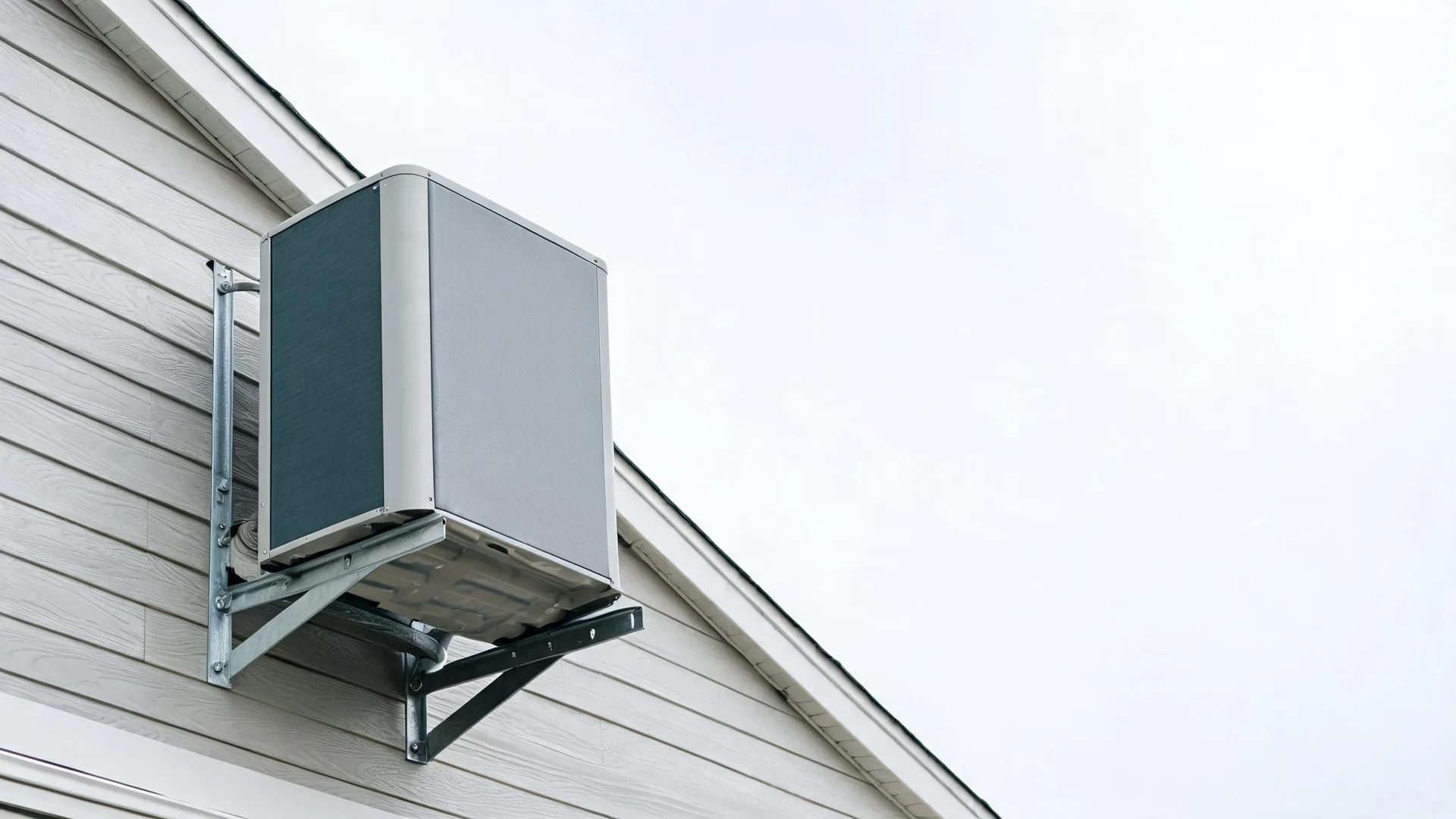
Weather here is hard on outdoor units
Rockingham County logged 103 damaging wind events and 29 hail events over the past decade. Either one can hit a coil or bend a fan blade on a unit sitting outside.

Takes about a minute. No obligation.
Rockingham County logged 103 damaging wind events and 29 hail events over the past decade. Either one can hit a coil or bend a fan blade on a unit sitting outside.
A dent or a bent blade doesn't always stop a unit right away. A tech can tell you whether it's fine or running on borrowed time.
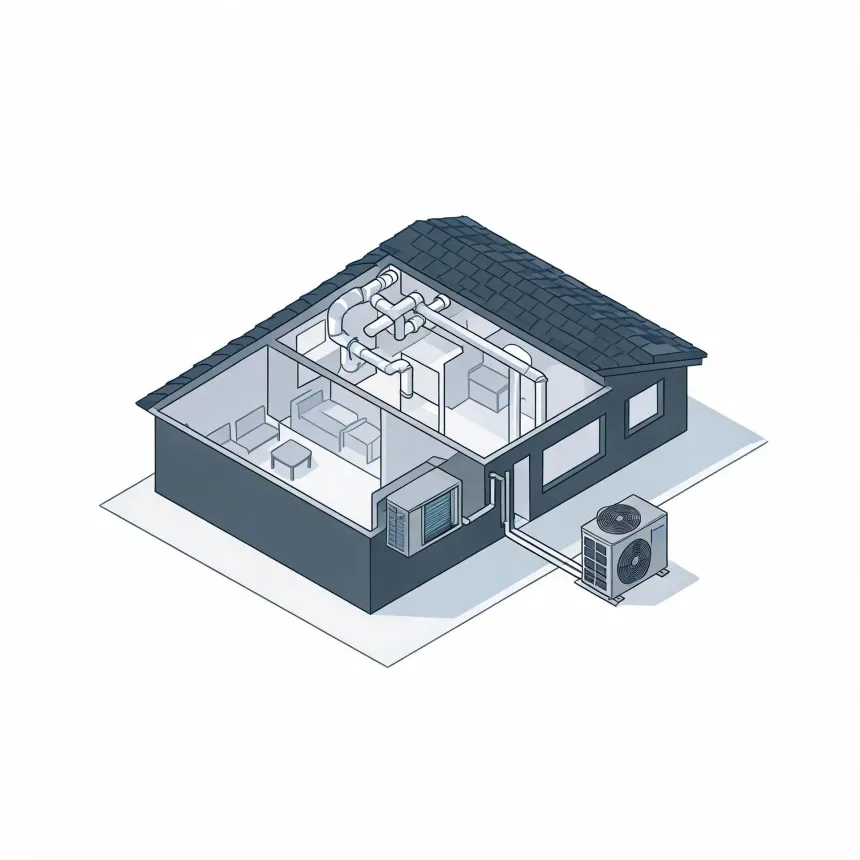
NOAA nClimDiv, 1991–2020 normals
Nothing about an AC repair in Portsmouth is unusual.
Most Portsmouth AC calls turn out to be a weak capacitor, a low charge, a dirty coil, or a failed contactor.



Cooling in Rockingham County runs July and August, so June is the month before it starts. A unit that sits that long can have a weak part that only shows itself once it has to work. A capacitor or contactor that was already failing tends to give out in the first week of real heat, not partway through the season. Getting it looked at in June means finding that part before it fails, instead of on the first hot day when you need the thing running.
Half the homes in Rockingham County were built in 1983 or later. If that's your house, your AC isn't old enough to be worn out. A repair should bring it back.
Find a contractorThe unit only runs two months a year, so it isn't logging the hours that put real wear on a capacitor or contactor. That cuts down one way a system fails. It doesn't rule out the other, which is a part that's simply weak or defective from the start. Either way, a short repair history is a good sign going in. There's less behind it that could be worn out.
Warm air out of the vents, the unit running without pulling the room down to the thermostat setting, or short cycles where it shuts off soon after starting. Sometimes it's a smell, musty from a dirty coil or sharp like something electrical. Water pooling near the indoor unit means a clogged drain line, not a refrigerant problem, and it's worth a call before it gets into the floor or ceiling below it.
A unit that cycles on and off fast, or one that runs long and never quite catches up, is usually telling you a part is already struggling. A low hum with no fan movement points to a seized motor or a bad capacitor. None of these mean the system is done, but none of them get better by waiting. Catching it while it's still running beats catching it the day it doesn't.
Estimates for a typical Rockingham County home, compared with an older unit built to the previous federal minimum, from EIA household energy data, New Hampshire fuel prices and NOAA climate normals. Your home will differ.
Repair makes sense when a part like a capacitor or contactor has failed.
Replacement makes sense when the compressor has failed or the system uses R-22 refrigerant, which is no longer made.
A diagnostic starts with the tech asking what you noticed and when, then running the unit to watch it do whatever it's been doing. From there it's a set order. Check the capacitor, check the contactor, check refrigerant pressure, check airflow across the coil. Each one rules something in or out. A capacitor gets tested under load, not just looked at, since a weak one can still look fine sitting still. If the coil's dirty or the airflow's weak, that gets found before anyone talks about refrigerant. Low airflow can mimic a low charge and lead to the wrong fix. By the time the tech's done, you should hear which part failed and why, not just that something's wrong.