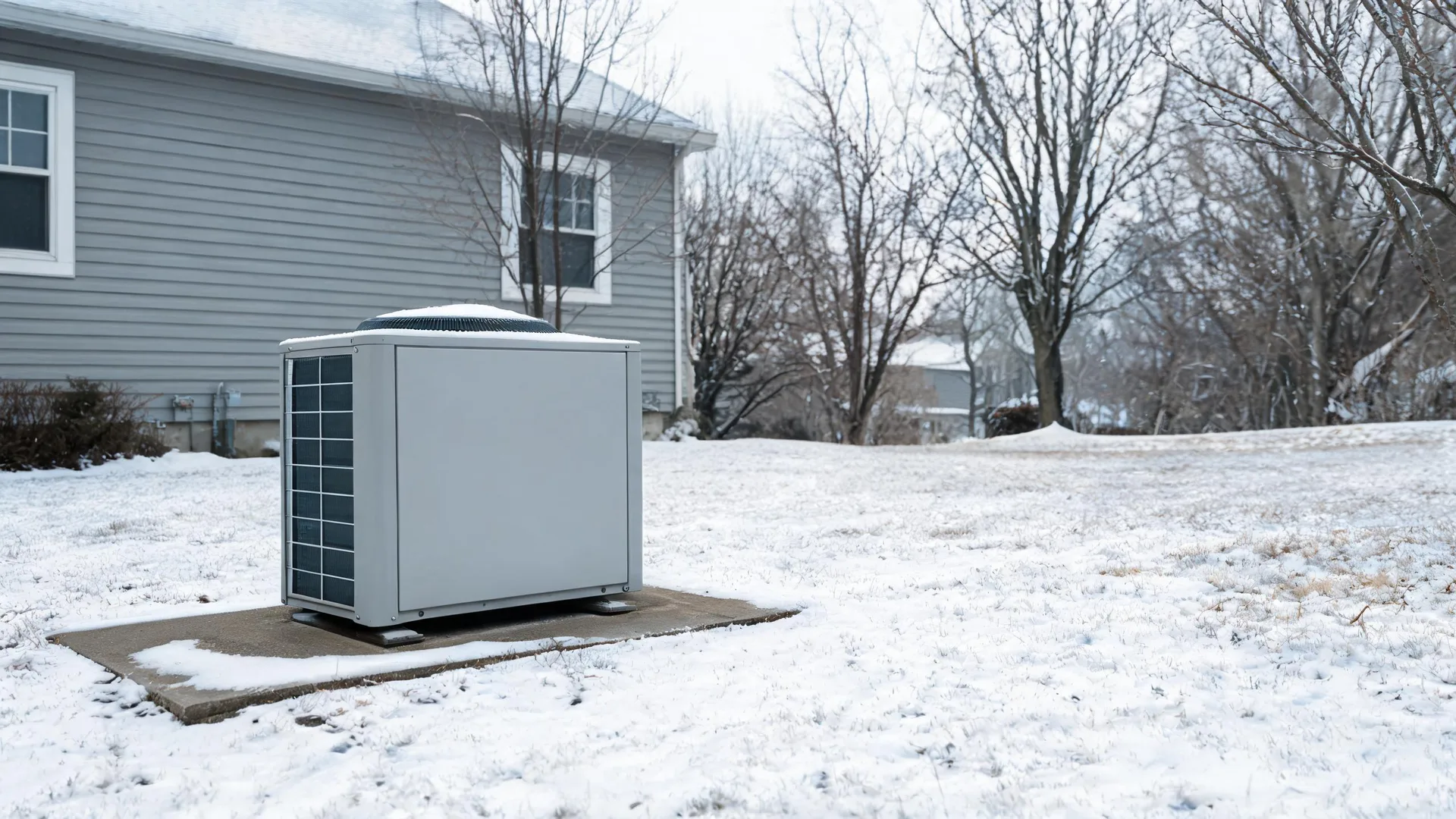
An outdoor air conditioning condenser unit on a concrete pad next to the gray vinyl siding of a residential home.

AC Repair in Manchester, NH

Tell us about the job

Takes about a minute. No obligation.

RepairCentral ACHillsborough County, NH
Step 1 of 2

What ZIP code is the job in?

Hail and wind find the outdoor unit

Hillsborough County logged 147 damaging wind events and 30 hail events over the past decade. That unit sits outside taking all of it. A bent fin or a dented cabinet from hail can look minor and still cause a problem down the line.


A unit that still runs isn't a unit that's fine

After a storm, have the outdoor unit looked at even if the AC still kicks on and cools the house. Debris can get into the coil or the fan without stopping the system outright, and that kind of damage gets worse before it gets better.

2 months
July through August, your air conditioner is on duty
79°F
the average summer afternoon it cools against
30 hail events
in ten years, and hail bends the fins on outdoor coils
147 wind events
in ten years, and wind drives debris into outdoor units
Isometric cutaway illustration of a house showing attic ductwork, an indoor air handler, and an outdoor condenser unit connected by lines.
Your air conditioner works hardest from July through August.

NOAA nClimDiv, 1991–2020 normals

Half the homes in Hillsborough County were built in 1978 or earlier, half in 1978 or later.

Either way, the house year does not tell you the AC's age, so check the unit itself for a date or model number.

Two months of cooling, July and August, is when a weak part finally gets found out

Cooling runs July through August
Summer afternoons average 79°F
147 damaging wind events from 2015 to 2024

Cooling only has to carry Hillsborough County for about two months, July and August, with afternoon highs around 79°F. That's a short, mild season compared to most of the country. A system here isn't working against the kind of heat that wears out a compressor or runs a capacitor into the ground year after year. So when something does go wrong, it's rarely because the unit has been overworked. More often it's a part that's reached the end of its life or something that got damaged and never got looked at. That's usually worth fixing rather than replacing.

Most AC problems here are one part, not the whole system

Most AC repairs here come down to a single worn part, not a system that's been run into the ground. Getting it looked at now means finding out which part it is before it takes anything else out with it.

Find a contractor
A gray cylindrical air conditioning condenser unit mounted on a concrete pad next to a light-colored vinyl-sided house exterior.

Two months of work a year leaves this unit with little wear to show for it

This unit only runs July and August, then sits idle the rest of the year. That's not much wear to show for its time outside. So if it's acting up now, check first for a part that simply gave out, or hail and wind damage from one of the storms that come through here, before you assume the system is worn out. A unit with that little runtime behind it is usually worth repairing.

A weak capacitor won't stay a weak capacitor

A capacitor that's failing still starts the compressor, just under more strain each time. Run it that way long enough and it can take the compressor down with it. A small part left alone can end up being the reason a much bigger one fails.

A warm house isn't the only sign to watch

A hissing sound, ice on the line, or a system that short cycles on and off all mean something is already wrong, even if the air coming out still feels cool. Shutting the system off and having it looked at keeps a small problem from turning into a bigger one.

Aerial view of a residential air conditioning condenser unit mounted on a concrete pad next to a house with vinyl siding and a sliding glass door.

A new air conditioner would save little on running costs in Hillsborough County, so the repair decision comes down to the unit's condition.

  • A new one at the federal minimum, 13.4 SEER2$240 a year
  • An older air conditioner$260 a year

Estimates for a typical Hillsborough County home, compared with an older unit built to the previous federal minimum, from EIA household energy data, New Hampshire fuel prices and NOAA climate normals. Your home will differ.

Repair makes sense when a part like a capacitor or contactor has failed.

Replacement makes sense when the compressor has failed or the system uses R-22 refrigerant, which is no longer made.

Once a system gets old enough, repair stops being the obvious answer. The question isn't just what's broken, it's what else is close behind it. A compressor failure on an older unit is a different conversation than a capacitor failure, because the compressor is most of what makes the system worth having. If the refrigerant is an older type that's being phased out, a repair that needs a recharge gets harder to justify every year. Age also tells you something about what's coming next. A unit that's already needed a few repairs in recent years is more likely to need another, and at some point the repairs cost more than they're worth measured against a new system. None of that means replace it on sight. It means ask what's failing, not just that something is.