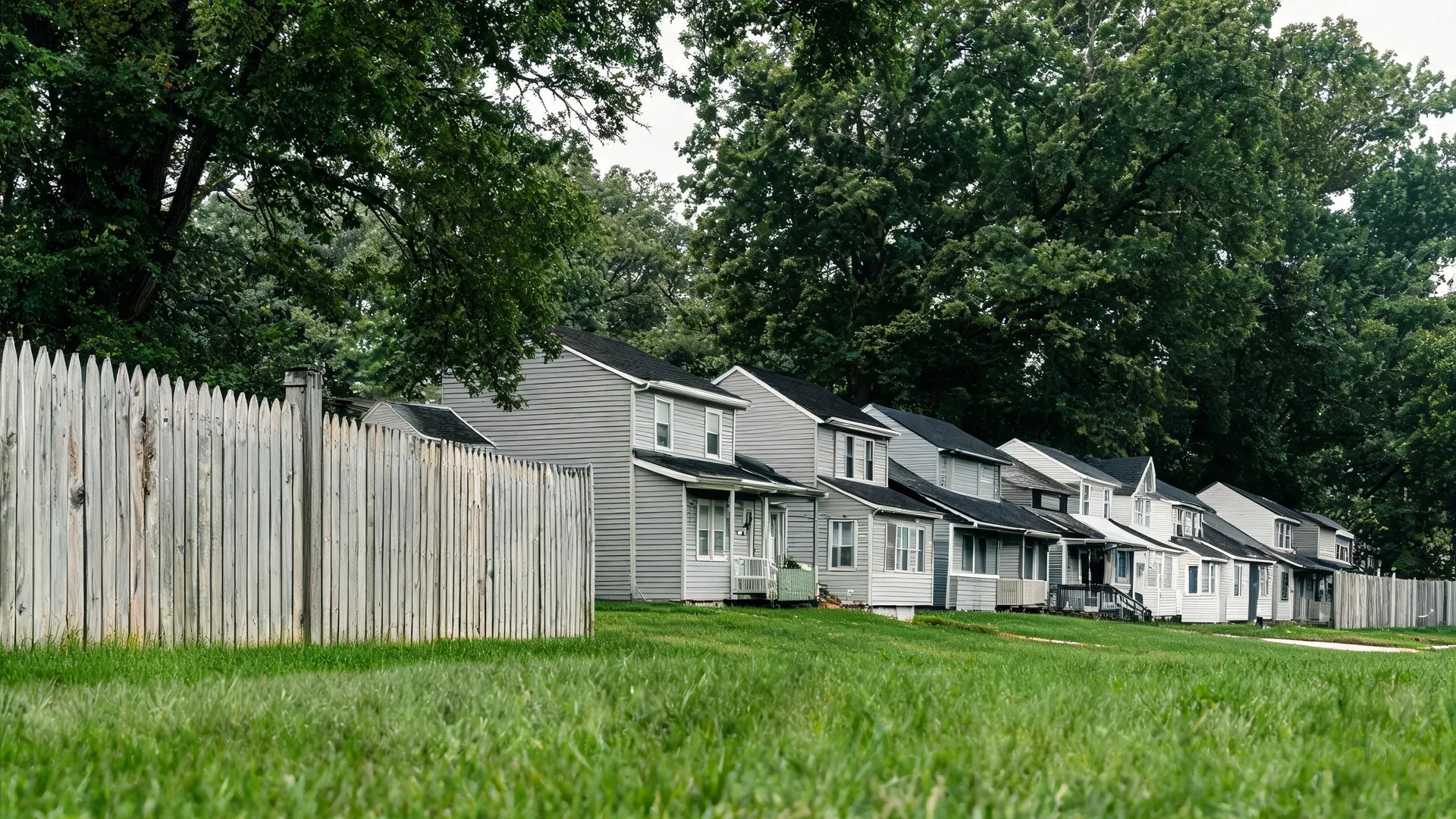






A row of gray vinyl-sided two-story houses set back behind a mowed grass lawn, with a weathered wooden stockade fence on the left and large deciduous trees behind.

AC Installation in Berlin, NH

Tell us about the job

Takes about a minute. No obligation.

New system or replacementCentral ACCoos County, NH
Step 1 of 2

What ZIP code is the job in?

Coos County saw 93 winter storms and 62 damaging wind events over the past decade. Hail has hit 25 times in that span. A new outdoor AC unit will sit through all of that, so where it goes matters. Keep it clear of the roofline, where ice can let go and fall. Keep it away from spots where snow drifts pile up against a wall. Nearly a quarter of New Hampshire households lost power for a day or more last year. Central air won't run without power, no matter how new the unit is. If an outage worries you, that's worth talking through before installation, not after.

73°F
the average summer afternoon it cools against
25 hail events
in ten years, and hail bends the fins on outdoor coils
13.4 SEER2
the federal minimum any new unit must meet
Isometric cutaway illustration of a single-story house showing interior rooms, ductwork and an air handler in the attic space, and an outdoor condenser unit connected by lines at the exterior wall.
Your air conditioner works hardest from July through August.

NOAA nClimDiv, 1991–2020 normals

Berlin summers top out around 73°F on an average afternoon.

An AC here just needs to handle mild stretches, not fight the heat all summer.

Most homes here run on fuel oil, not gas

68% of homes heat with fuel oil
Summer afternoons average 73°F
62 damaging wind events from 2015 to 2024
A standard system is plentyNew Hampshire's electricity ran 23.40 cents per kilowatthour in 2024, but Berlin's mild summers mean sizing up won't buy you much.

Half the homes in Coos County were built in 1969 or earlier. A house that age wasn't built with central air in mind. The ductwork may have been added later, sized for a furnace blower rather than an AC system, or the place may have no ducts at all. Before you pick a unit, a contractor needs to look at what's already there and size the new system to the house, not just the square footage. Put in a unit that doesn't match the ducts and you get weak airflow in some rooms no matter how new the equipment is.

Any new system here has to meet the cold-climate code

Coos County falls under zone 6A, and any split-system AC installed here has to meet the federal minimum of 13.4 SEER2. That's one less thing to compare between units. There's also a federal tax credit available for qualifying equipment. A contractor can walk you through what qualifies before you settle on a system.

Find a contractor
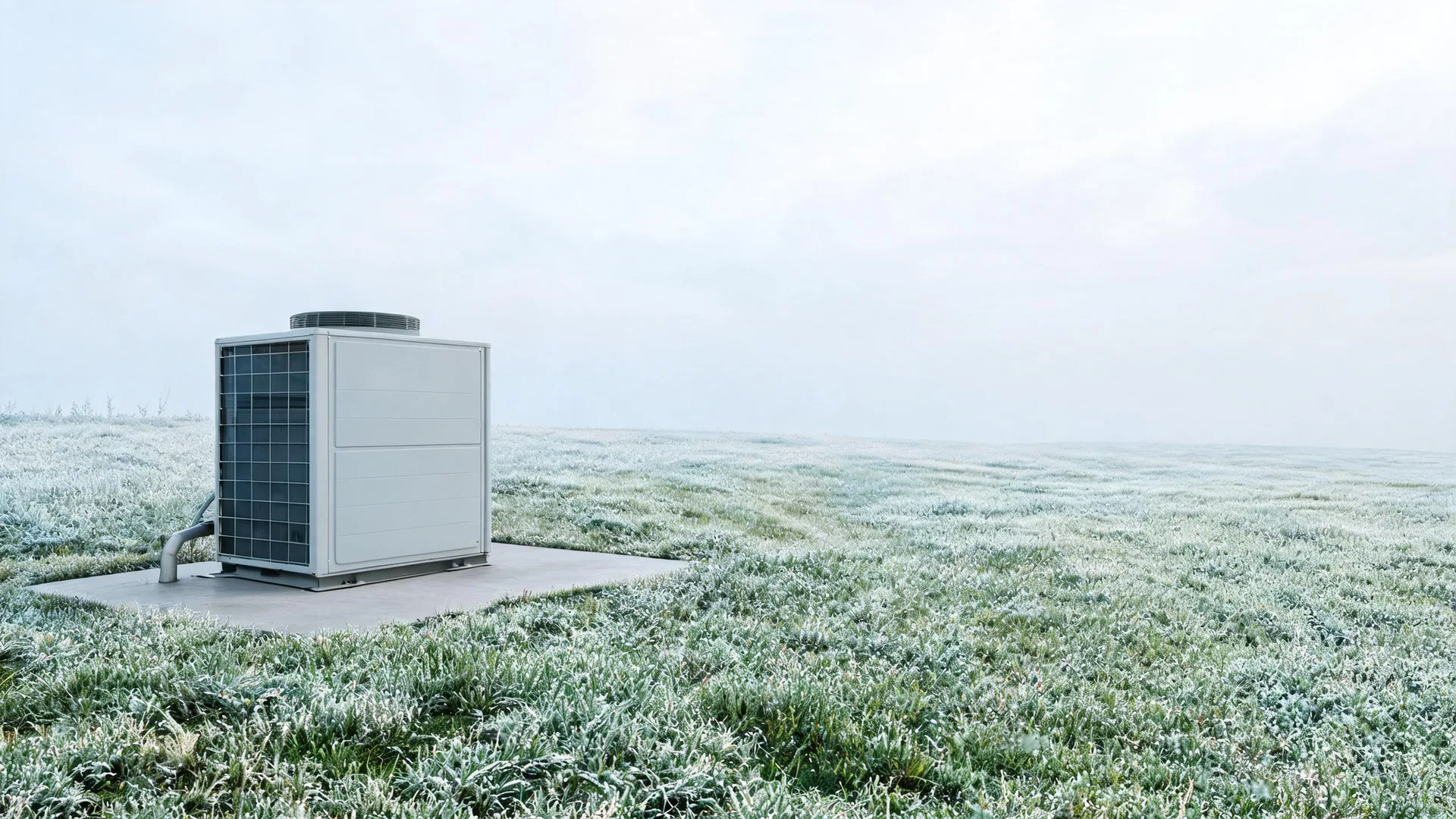
A gray metal air conditioning condenser unit mounted on a concrete pad in a flat grassy field under a partly cloudy sky.

Match the system to the ducts you already have

This is the part of the job that happens before the new unit ever gets picked. A contractor looks at the ducts that are already in the walls, checks what they were sized for, and plans the system around that, not the other way around. If your home's ductwork came with a furnace installed long before central air was common here, it may need changes to carry air the way a new AC system needs. That gets settled first.

Bigger isn't better

An oversized AC cools the air fast and shuts off before it pulls the moisture out of the room. That leaves the house feeling clammy even at a cool temperature. A unit sized right runs longer, steadier cycles and actually dries the air while it cools it.

How a contractor sizes it

Sizing comes from a load calculation, not a guess based on square footage alone. A contractor looks at window area, insulation, ceiling height and what's upstairs or next door, then works out how much heat the house actually gains on a hot afternoon. That number, not the size of the old unit, is what picks the new one.

Aerial view of a gray outdoor air conditioning condenser unit mounted on a concrete pad next to a house with vinyl siding.

Going above the federal minimum saves little here, about $10 a year.

  • A higher-efficiency unit$60 a year
  • A new unit at the federal minimum, 13.4 SEER2$70 a year

Estimates for a typical Coos County home, from EIA household energy data, New Hampshire fuel prices and NOAA climate normals. Your home will differ.

Installation day starts with the old unit coming out and the line set getting checked rather than reused, because a leak-tested set keeps refrigerant doing its job for years instead of months. Where the line set won't serve, a new one goes in, and the joints get brazed, not just clamped together. The electrical disconnect gets mounted near the outdoor unit so power can be cut right there for any service later. Once the indoor coil and outdoor unit are connected, the system gets charged with refrigerant to the weight the manufacturer calls for, checked against the pressures on a gauge, not guessed at. Then it runs through a full cycle while the contractor checks airflow at the vents and makes sure the thermostat is actually talking to the equipment. None of that shows from the curb, but it's the difference between a system that holds up and one that's back on a service call soon after.