






A row of white Colonial-style houses with glowing windows photographed at dusk along a road bordered by a stone wall.

AC Installation in Manchester, NH

Tell us about the job

Takes about a minute. No obligation.

New system or replacementCentral ACHillsborough County, NH
Step 1 of 2

What ZIP code is the job in?

Manchester sits in climate zone 5A, a cool zone where heating carries most of the year and summers stay humid. Any split-system air conditioner installed here under 45,000 Btu/h has to meet 13.4 SEER2 at minimum, which is the federal floor for units built from 2023 on. That rating narrows the field before you even start comparing brands. A federal tax credit is available on qualifying equipment, worth checking against whatever system you're considering.

2 months
July through August, your air conditioner is on duty
79°F
the average summer afternoon it cools against
30 hail events
in ten years, and hail bends the fins on outdoor coils
13.4 SEER2
the federal minimum any new unit must meet
Isometric cutaway illustration of a small house showing interior rooms with furniture, ceiling ductwork and an air handler, plus an outdoor condenser unit connected by refrigerant lines beside the building.
Your air conditioner works hardest from July through August.

NOAA nClimDiv, 1991–2020 normals

Manchester asks an air conditioner to work about two months a year, July and August.

A system that sits idle most of the year doesn't need to be the most efficient one on the lot, just one installed right.

Most homes here heat with gas, and that shapes what an AC install looks like

38.4% of homes heat with gas
Cooling runs July through August
Summer afternoons average 79°F
Get it in before JulyCooling in Hillsborough County runs July through August. June is the month to have it done.

A standard-sized, standard-efficiency air conditioner is the right call for most homes in Manchester. There's no local quirk that pushes you toward a bigger unit or a pricier one. Electricity here ran 23.40 cents per kilowatt-hour in 2024, which is worth knowing when you're comparing running costs, but it doesn't change the math toward spending more upfront on equipment. What matters more is getting the size right for the house, done through a proper load calculation rather than a guess based on square footage. Spend the money on the install being done well. That's what decides how the system runs, not an upgrade to a bigger or fancier unit.

A standard system, sized right, is the install to make

Half the homes in Hillsborough County were built in 1978 or earlier, half later. The age of the house doesn't tell you what size system it needs. A load calculation settles that, done against the house you actually have.

Find a contractor
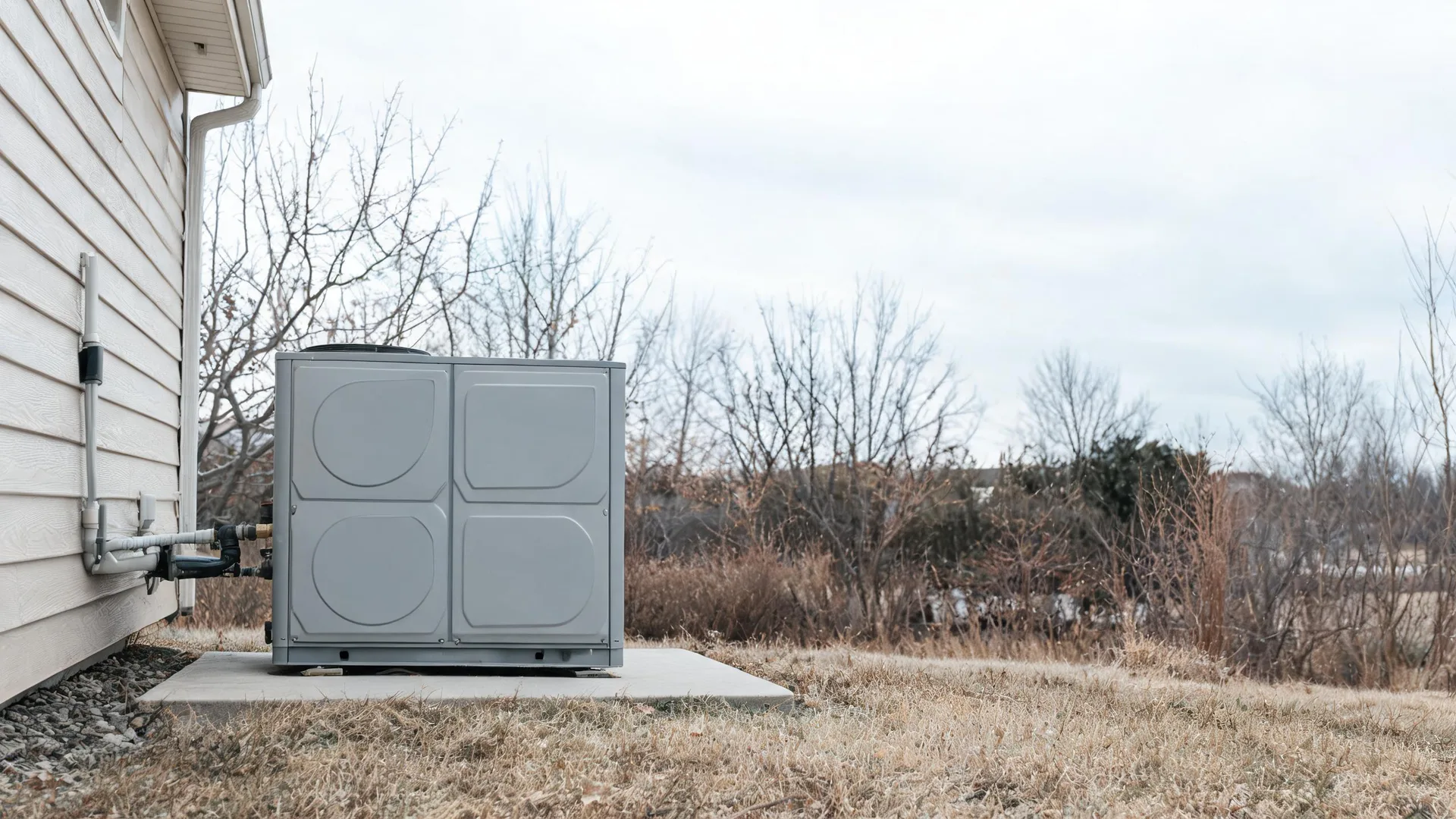
An outdoor air conditioning condenser unit mounted on a concrete pad beside a house, with electrical conduit running to a wall-mounted disconnect box.

The old unit doesn't get left running alongside the new one

The old condenser and coil don't get left in place. Whoever installs the new system has to pull the old refrigerant out with a recovery machine before anything gets disconnected, since venting it into the air isn't legal or safe. Once that's done, the old line set, the outdoor unit, and the indoor coil come out. A straight swap can sometimes reuse the pad and the electrical whip running to it, but the old refrigerant lines usually don't carry over if the new system uses a different refrigerant than the old one did. That's common enough now that it's worth asking about rather than assuming the old lines will work.

Ask for the load calculation, not an estimate

Any contractor can quote a size off square footage. A proper load calculation accounts for your windows, insulation, and layout, room by room. Ask to see the numbers, not just the final tonnage. A system sized too big cools the air fast and shuts off before it pulls the humidity down, which leaves the house feeling clammy even at the right temperature.

Ask what happens to the existing ductwork

A new air conditioner only works as well as the ducts feeding it. If the installer isn't planning to check duct sizing and sealing as part of the job, ask why. Leaky or undersized ducts can undercut even a well-matched system, and that's a problem the equipment itself can't fix.

An overhead view of a residential air conditioning condenser unit mounted on a concrete pad next to a house with vinyl siding.

A higher-efficiency unit would save about $30 a year to run in Hillsborough County compared with a new unit at the federal minimum.

  • A higher-efficiency unit$210 a year
  • A new unit at the federal minimum, 13.4 SEER2$240 a year

Estimates for a typical Hillsborough County home, from EIA household energy data, New Hampshire fuel prices and NOAA climate normals. Your home will differ.

Install day starts with the stuff that isn't the condenser or the air handler. The crew sets up drop cloths and clears a path before anything gets disconnected, because the old system has to come out before the new one goes in. If it's a straight swap, the line set and ductwork often get reused after an inspection, but any corrosion or the wrong size line gets replaced rather than patched. The new outdoor unit goes on a level pad, the indoor coil gets matched to it, and the line set between them gets evacuated to pull out moisture and air before refrigerant goes in. That vacuum step matters more than people think, because trapped moisture turns into acid inside the system over time. Once it's charged and running, a tech checks the refrigerant level against the manufacturer's spec, not by feel, and checks airflow at the vents before calling it done.