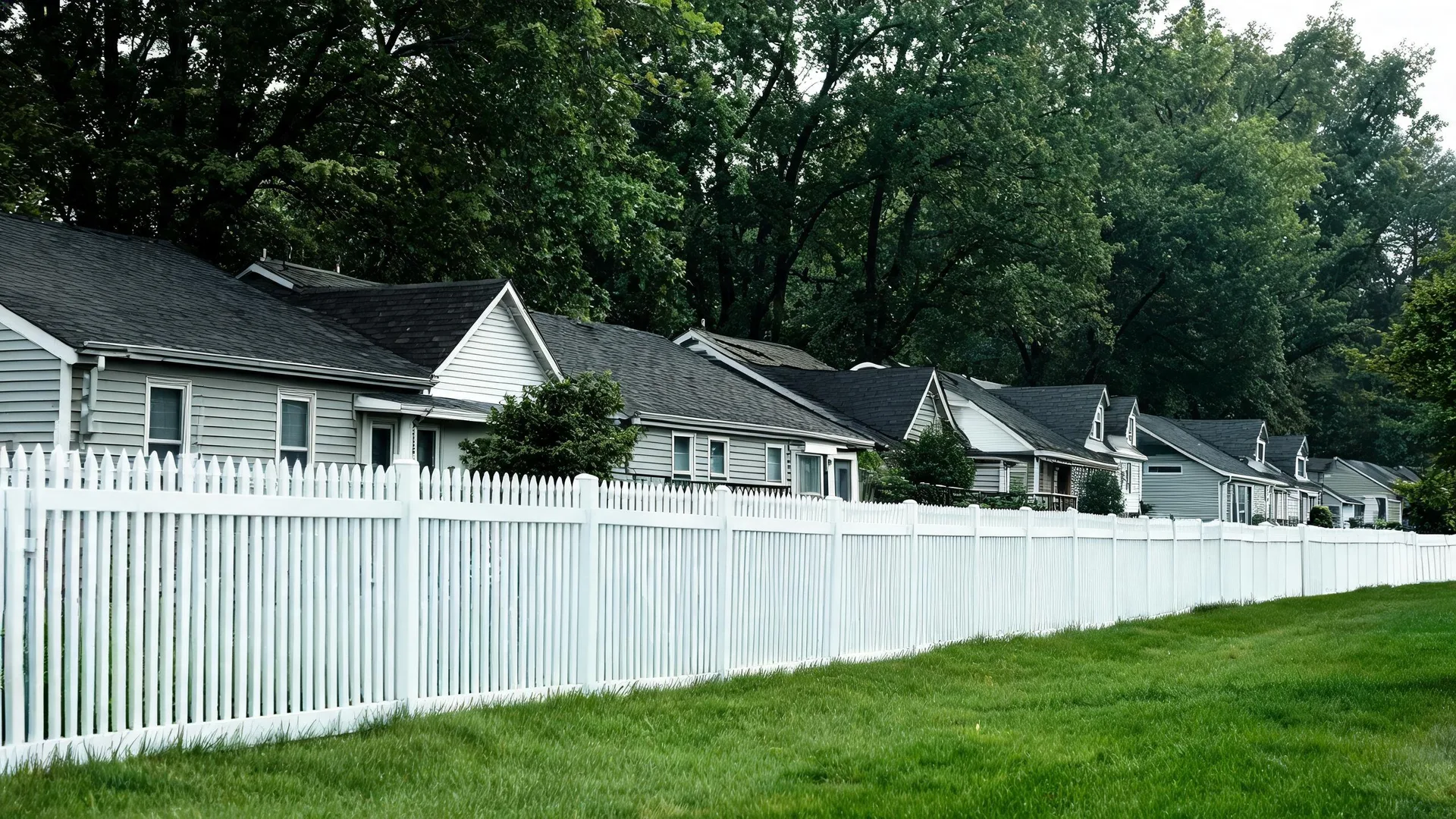
A long white picket fence runs along a mowed grass lawn in front of a row of single-story houses with gray siding and dark shingled roofs, backed by tall leafy trees.

AC Installation in Claremont, NH

Tell us about the job

Takes about a minute. No obligation.

New system or replacementCentral ACSullivan County, NH
Step 1 of 2

What ZIP code is the job in?

Oil heats most homes here

Fuel oil or kerosene heats close to half the homes in Sullivan County, with LP gas a distant second and electric heat uncommon. An AC installation usually pairs with a furnace or boiler that was never set up to run on electricity.


Cooling is its own system

Since most houses here don't have electric heat or ductless heat pumps already in place, central air usually means adding a system built just for cooling, not converting something that already moves heat.

1 months
July through July, your air conditioner is on duty
77°F
the average summer afternoon it cools against
14 hail events
in ten years, and hail bends the fins on outdoor coils
13.4 SEER2
the federal minimum any new unit must meet
Isometric cutaway illustration of a house interior showing ducted air handling equipment and duct runs through rooms, connected by piping to an outdoor condenser unit on a pad outside the wall.
Your air conditioner works hardest from July through July.

NOAA nClimDiv, 1991–2020 normals

Claremont air conditioners really only earn their keep in July, with June and August mild by comparison.

A system that runs one month a year doesn't need the highest efficiency rating on the shelf to hold up.

A typical system is all this climate asks for

Half the homes here were built by 1974
Cooling runs July through July
Summer afternoons average 77°F
June is for installing, July is for runningClaremont's cooling runs one month a year, in July

Claremont falls under zone 6A, the energy code's bracket for cold, fairly humid climates. Any split-system air conditioner installed new has to meet the federal baseline of 13.4 SEER2, the efficiency floor for units under 45,000 Btu/h built from 2023 on. That's not a local add-on, it's the same number a system has to hit anywhere in the country, cold climate or not. For a house here it just means the contractor is picking from equipment that already clears the bar. There's a federal tax credit available on qualifying high-efficiency equipment too, worth asking about when you're comparing options.

A standard system is built for what Claremont sees

Sullivan County sees its share of wind and winter storms, with the occasional hail event or tornado mixed in. None of that calls for anything other than a standard air conditioner, installed correctly. The system that fits this place is the same one that fits most places. Ready to get a quote?

Find a contractor
A man in a gray rolled-sleeve shirt and brown pants, seen from behind, carries a worn canvas tool bag up concrete steps toward a green front door of a shingle-clad house, with a potted shrub beside the entry.
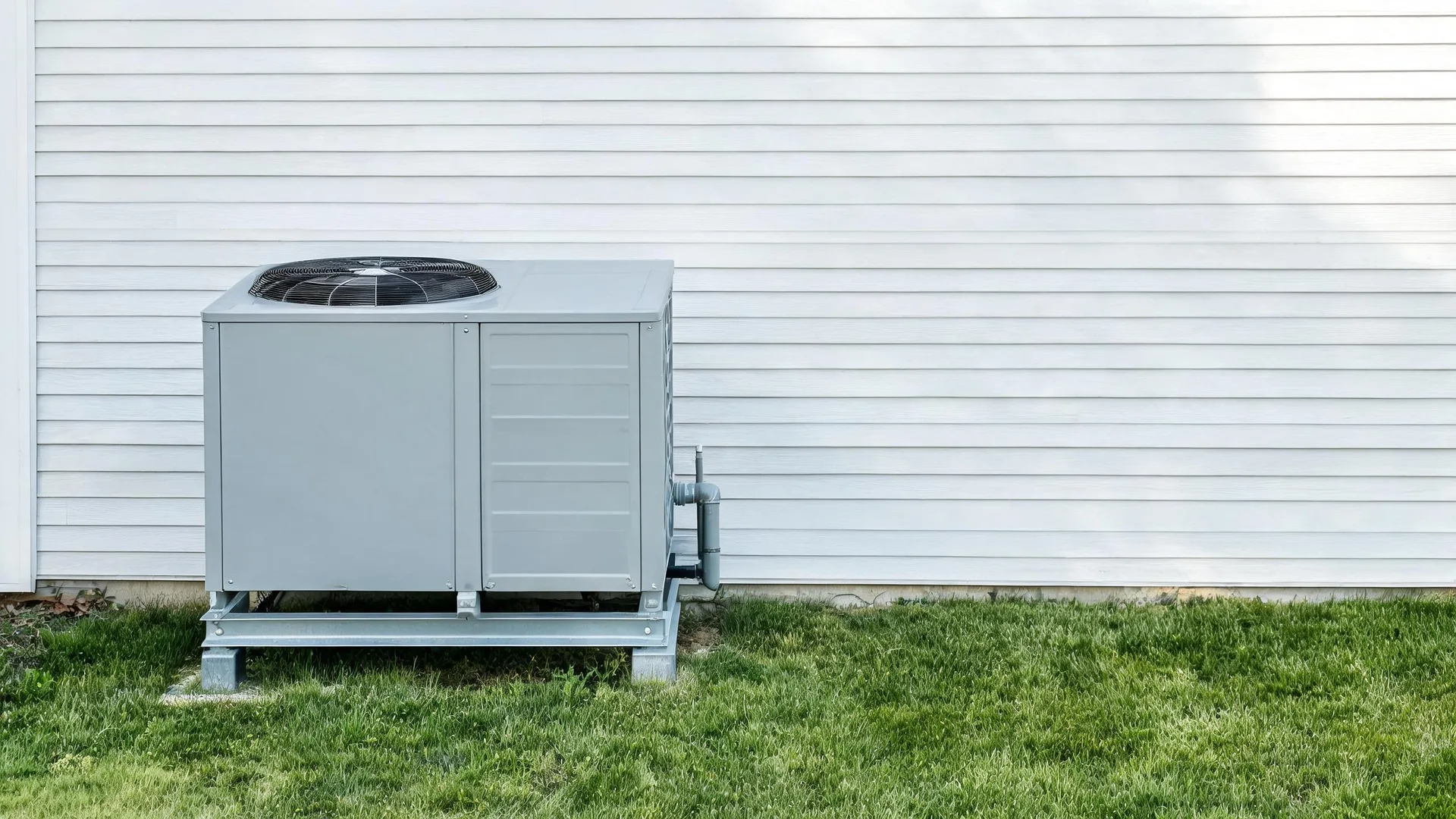
An outdoor residential air conditioning condenser unit mounted on a concrete pad, surrounded by gravel with a blue sky in the background.

Built for July, not for everything

Pick a system rated for standard duty and move on. With one real month of work a year, there's no case for paying up for a unit built to run hard all season. Put the money into a correct install instead, the right charge, the right airflow across the coil. That's what decides whether it holds up, not the rating on the sticker.

The old unit still has refrigerant in it

A central air conditioner can't just get hauled off. The refrigerant in the coil has to be recovered into a tank before the unit gets disconnected, that's federal law, not a preference. A contractor pulling the old system handles that as part of the job.

The pad and lines usually stay

If the old condenser sat on a slab or pad outside, that generally gets reused rather than replaced. Same with the line set running to the indoor coil, as long as it's not damaged or the wrong size for the new unit. Less to tear out means less that can go wrong on install day.

Overhead view of a gray residential air conditioning condenser unit mounted on a concrete pad beside a house with asphalt shingle roofing.

Going above the federal minimum saves little here, about $20 a year.

  • A higher-efficiency unit$130 a year
  • A new unit at the federal minimum, 13.4 SEER2$150 a year

Estimates for a typical Sullivan County home, from EIA household energy data, New Hampshire fuel prices and NOAA climate normals. Your home will differ.

Installation day starts with the old system coming out, and that takes longer than people expect once refrigerant recovery is part of it. After that, the new condenser goes on the pad, the indoor coil gets set in place, and the line set between them gets checked, pressure tested, and evacuated before any refrigerant goes in. That evacuation step matters more than almost anything else that happens that day. Any moisture left in the lines turns to acid once the system runs, and that shortens the life of the compressor. Once the system's charged, a tech checks it against the manufacturer's spec for that exact unit and that exact length of line, not a general number. The last part is airflow, confirming the blower is moving the right amount of air across the coil, because a system can be charged perfectly and still underperform if air isn't moving through it the way it should.