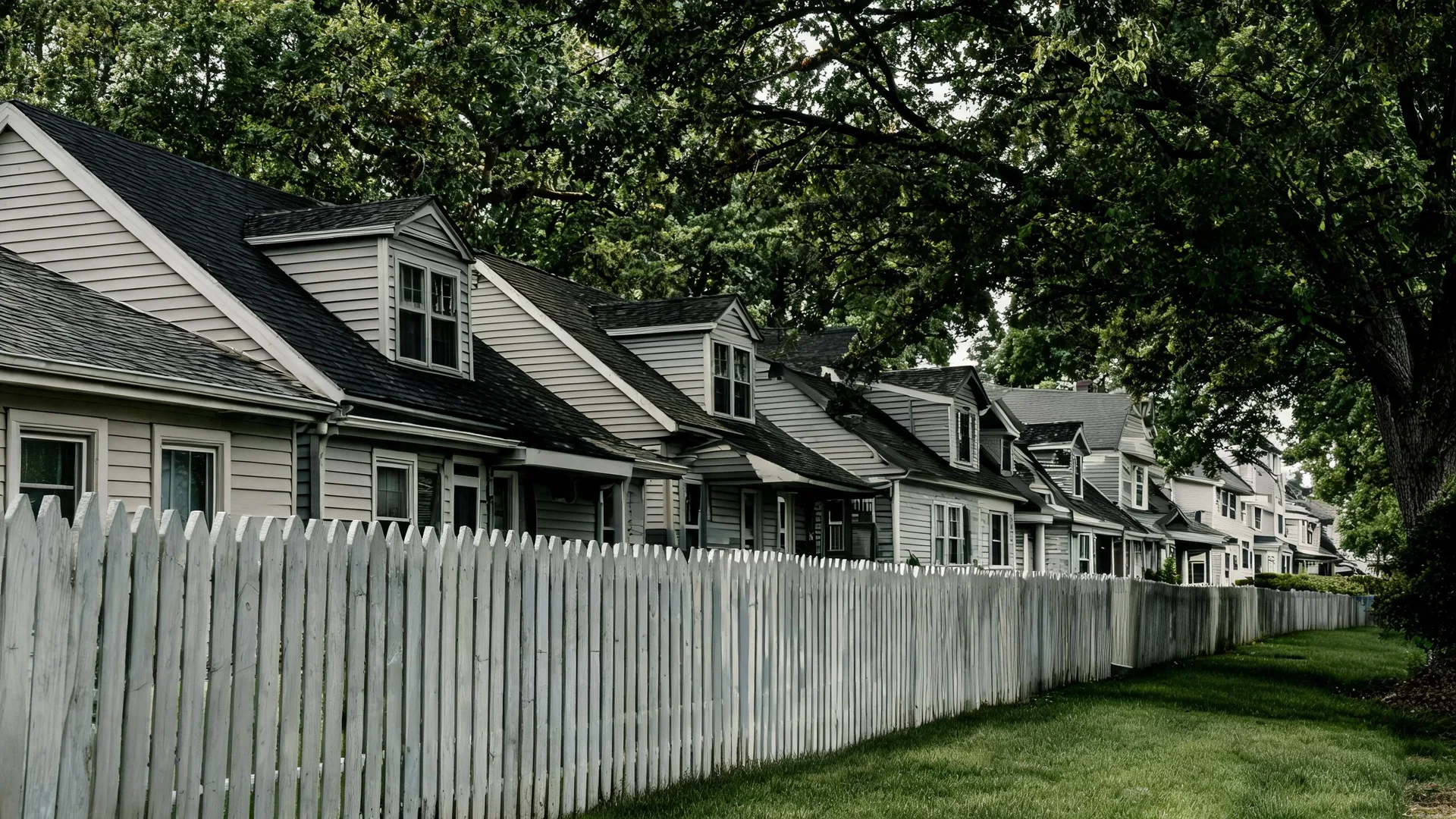






A weathered wooden picket fence runs along a grass strip in front of a row of similar gabled houses with dormer windows and dark shingled roofs, shaded by large leafy trees.

AC Installation in Concord, NH

Tell us about the job

Takes about a minute. No obligation.

New system or replacementCentral ACMerrimack County, NH
Step 1 of 2

What ZIP code is the job in?

Merrimack County saw 138 severe weather events between 2015 and 2024, and damaging wind caused most of them. That matters for where the new outdoor unit goes. A spot close to the house, away from the roofline and anything that could come loose in a storm, holds up better than one sitting out in the open yard. Hail has hit the county too, so a low fence or an eave overhead gives the unit some cover. Ask the installer where they'd place it on your property before the install starts.

2 months
July through August, your air conditioner is on duty
79°F
the average summer afternoon it cools against
21 hail events
in ten years, and hail bends the fins on outdoor coils
13.4 SEER2
the federal minimum any new unit must meet
Isometric cutaway illustration of a small house showing interior rooms with furniture, ceiling ductwork and an air handler, plus an outdoor condenser unit connected by refrigerant lines beside the building.
Your air conditioner works hardest from July through August.

NOAA nClimDiv, 1991–2020 normals

Half the houses in Merrimack County were built in 1977 or earlier, half after.

Either way, a standard size and efficiency unit handles the cooling. Nothing about this job calls for going bigger or pricier.

Two months of cooling, so install it in June

Cooling runs July through August
Summer afternoons average 79°F
79 damaging wind events from 2015 to 2024
Oil heats this county, AC is a separate systemMost Merrimack County homes heat with oil, which means central air was likely added on its own, not built into a furnace swap

Concord sits in climate zone 5A, a cool zone where winter heat matters more than summer cooling. Any new split system has to meet the federal minimum of 13.4 SEER2 if it's under 45,000 Btu/h, which covers the central air going into most houses here. That rating measures efficiency, not the size of the unit, so it won't push you toward something bigger than the house needs. A federal tax credit is available on qualifying equipment, worth asking the installer about when you're comparing options.

Standard size and efficiency, properly installed

A standard system is the right call here. New Hampshire homes paid 23.40 cents per kilowatt-hour in 2024, and that rate applies no matter what size or efficiency unit goes in. Nothing about Concord pushes the math toward paying more for bigger or fancier equipment. A properly sized system from a licensed installer is the job.

Find a contractor
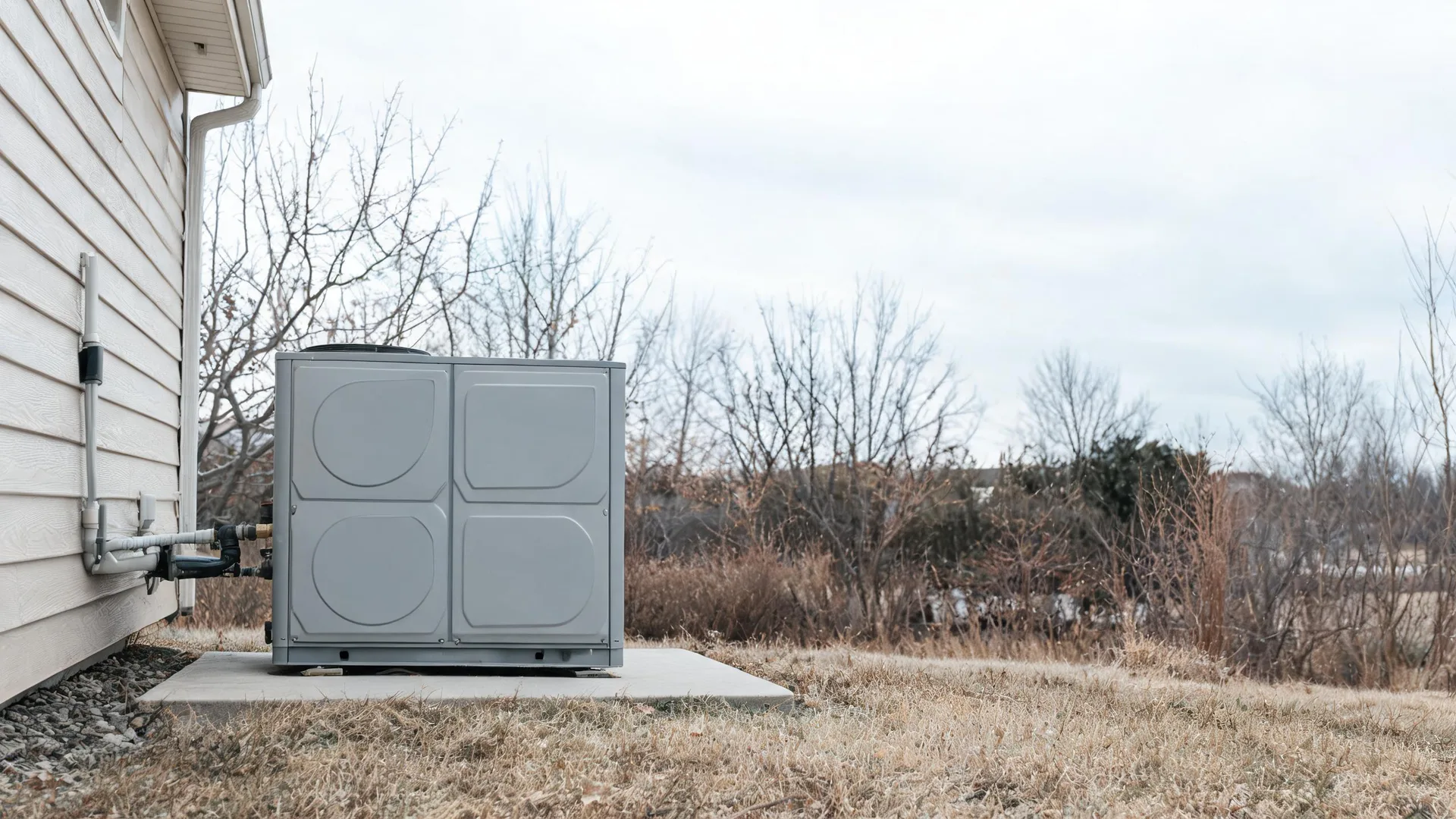
An outdoor air conditioning condenser unit mounted on a concrete pad beside a house, with electrical conduit running to a wall-mounted disconnect box.

Two months of work a year

Cooling runs about two months here, July and August, with afternoon highs averaging 79. The rest of the year the new unit sits idle while the furnace or boiler does the work. A system that only has to carry two months of real demand isn't under much strain, and strain is what wears a compressor down over time. When something does go wrong with a unit that's had this easy a life, age or a skipped service visit is the more likely reason, not overwork.

Match the load calculation to the house

A contractor should size the system from a room by room load calculation, not from the size of the unit being replaced. Window count, insulation, and duct layout all change the number. A system sized off the old equipment alone can end up oversized, and an oversized system cools the air fast without running long enough to pull humidity out of it.

Ask what happens to the ductwork

New equipment moves a different volume of air than the old system did, and ducts that were fine before can end up too small or too leaky for it. Ask whether the installer is checking duct sizing and sealing as part of the job, not just swapping the equipment at each end of the line set.

An overhead view of a residential air conditioning condenser unit mounted on a concrete pad next to a house with vinyl siding.

A higher-efficiency unit would save about $30 a year to run in Merrimack County compared with a new unit at the federal minimum.

  • A higher-efficiency unit$180 a year
  • A new unit at the federal minimum, 13.4 SEER2$210 a year

Estimates for a typical Merrimack County home, from EIA household energy data, New Hampshire fuel prices and NOAA climate normals. Your home will differ.

The price of an install comes down to what has to happen before the new unit ever runs. Ductwork is the biggest swing factor. If the existing ducts are the right size and in good shape, the crew connects to them and moves on. If they're too small for the new system's airflow or leaking at the joints, that's added work, and skipping it just means the new unit fights the ductwork for as long as it's installed. Electrical is the other variable. A new outdoor unit needs a disconnect box, the right breaker, and wiring sized for its load, and older homes don't always have that in place already. Where the line set runs matters too, since a straight, short path between indoor and outdoor units costs less to install than one that has to clear framing or run a long distance. None of this shows up in the price of the equipment itself. It shows up in what the house needs to make that equipment work right.