






White colonial houses with lit windows and dark shutters line a tree-lined street at dusk, bordered by dry-stacked stone walls.

AC Installation in Conway, NH

Tell us about the job

Takes about a minute. No obligation.

New system or replacementCentral ACCarroll County, NH
Step 1 of 2

What ZIP code is the job in?

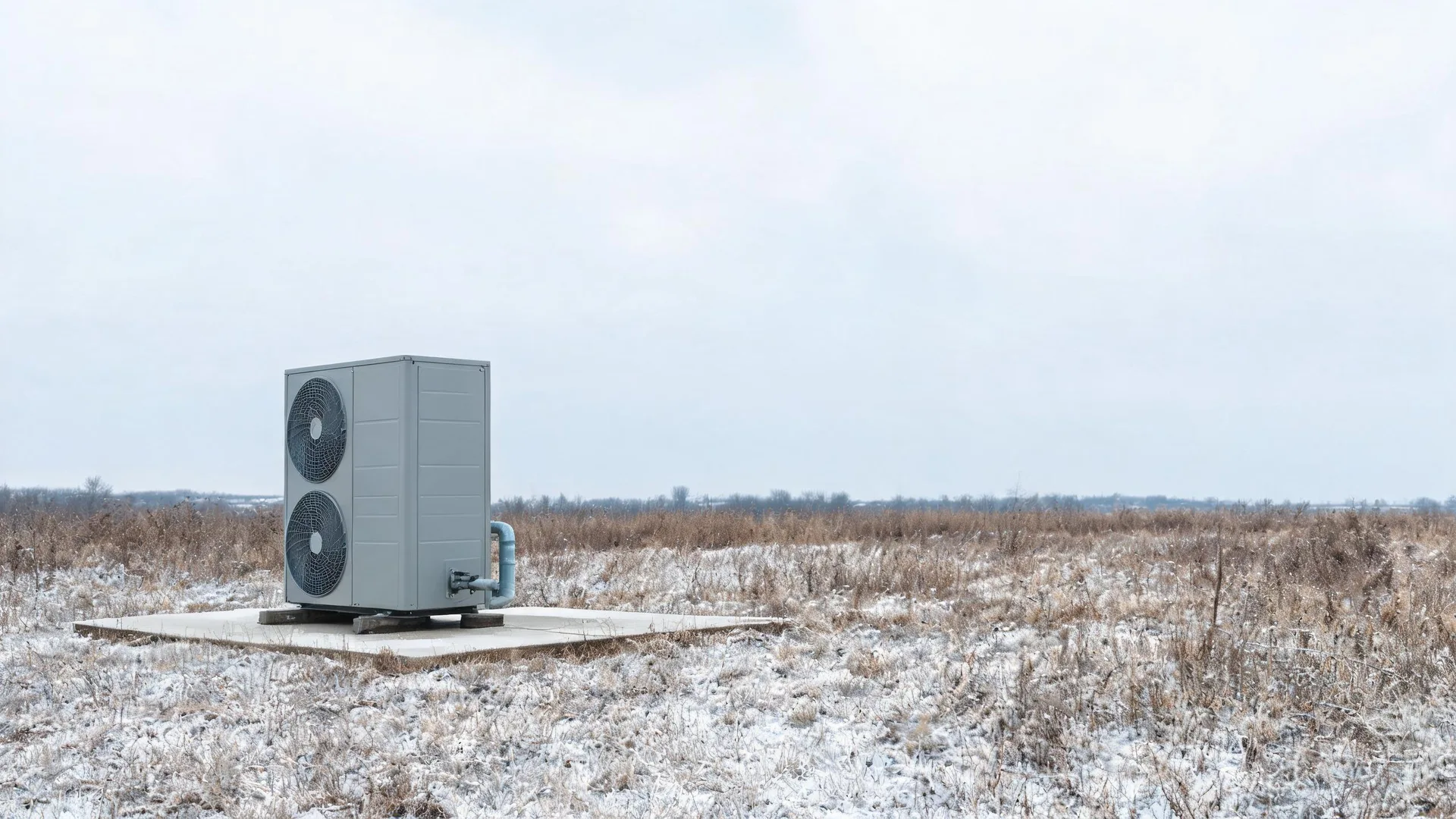
Carroll County saw 214 severe weather events between 2015 and 2024, and winter storms with heavy snow and ice made up most of them. Damaging wind and hail show up often too, and either one can put a tree branch or ice through an outdoor condenser if it sits in the wrong spot. Where the installer sets the unit, and what they set it on, matters here. Power is the other part of it. A new AC system is only as good as the power feeding it, and outages long enough to matter are not rare in this state. Ask the installer what happens to your system when the power goes out and comes back on.

1 months
July through July, your air conditioner is on duty
77°F
the average summer afternoon it cools against
37 hail events
in ten years, and hail bends the fins on outdoor coils
13.4 SEER2
the federal minimum any new unit must meet
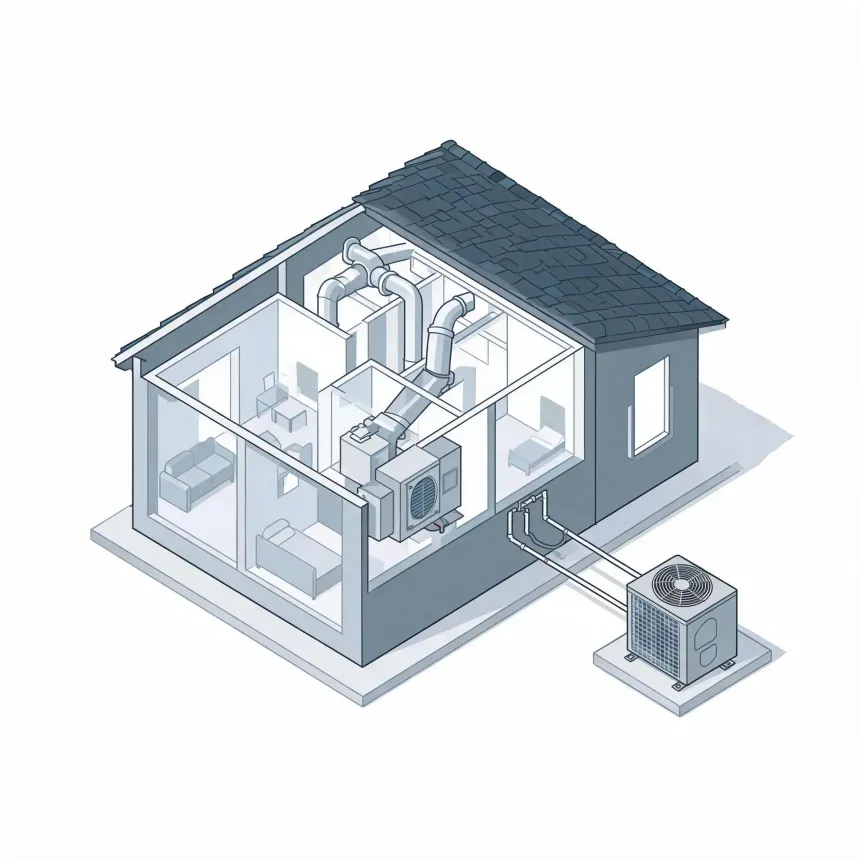
Isometric cutaway illustration of a small house showing interior rooms with furniture, an indoor air handler with ducts in the attic space, and refrigerant lines running to an outdoor condenser unit on a pad.
Your air conditioner works hardest from July through July.

NOAA nClimDiv, 1991–2020 normals

Fuel oil or kerosene heats 42.1% of homes in Carroll County, more than any other fuel.

If your furnace or boiler already runs on oil, matching your new AC to that setup is the straightforward route.

One month of real work a year, so the system doesn't need to be oversized to handle it

Cooling runs July through July
Summer afternoons average 77°F
70 damaging wind events from 2015 to 2024
Get it in before JulyCooling runs in July here. June is the month to get it installed.

Carroll County is zone 6A, a cold climate with winter lasting most of the year and enough humidity in summer to matter. None of that changes the rule for a new AC system. Any split-system central air conditioner under 45,000 Btu/h built since January 2023 has to meet 13.4 SEER2, the same floor as everywhere else in the country. That's a minimum, not a goal, so whatever gets installed here already clears it before you start comparing units. Ask about the federal tax credit for equipment that goes beyond that minimum. It can offset some of the cost of stepping up.

The right size costs less to run, not just to install

Electricity here runs 23.40 cents per kilowatt-hour, and that's what a new system will cost to operate for as long as you own it. A standard size, correctly matched to this house, costs the same to install as an oversized one and less to run every summer after. There's nothing about Conway that calls for bigger or pricier equipment, just the right fit.

Find a contractor
A man in a cap, dark jacket and tan work pants, seen from behind, carries a canvas tool bag up porch steps toward a green front door beside a potted shrub.
An outdoor residential air conditioning condenser unit mounted on a concrete pad, surrounded by gravel with a blue sky in the background.

The old unit has to come out before the new one goes in

Whoever installs the new system still has to deal with the old one. A central air conditioner holds refrigerant under pressure, and by law that refrigerant has to be recovered into a tank before the unit comes apart, not vented into the air. A licensed installer has the equipment and certification to do that. After that, the indoor coil, the outdoor condenser and the line set linking them all come out. If the new system uses a different refrigerant than the old one, which is common now, the old line set usually can't be reused, so expect new copper line run between the indoor and outdoor units. The old pad or mounting brackets outside may or may not carry over, depending on whether the new condenser matches the old footprint. None of this is a separate project. It's part of the same visit, same install, and it has to happen in that order before the new equipment goes in.

Size comes from a load calculation, not the old unit's label

A properly sized air conditioner comes from a room by room load calculation. The installer measures the square footage, checks window area and direction, counts exterior walls, and looks at insulation and ceiling height. None of that is guesswork, and none of it comes from matching whatever tonnage the old unit happened to be. The system before yours may have been wrong from the start.

Oversized cools the room but not the air in it

A unit that's too big shuts off again almost as soon as it starts. It hasn't run long enough to pull moisture out of the air. The room hits the temperature on the thermostat and still feels damp. An undersized unit has the opposite problem. It runs constantly and never quite catches up on the hottest days. The right size runs long enough each cycle to actually dry the air, then shuts off.

Overhead view of an air conditioning condenser unit on a concrete pad next to a house with asphalt shingle roofing and vinyl siding.

Going above the federal minimum saves little here, about $20 a year.

  • A higher-efficiency unit$120 a year
  • A new unit at the federal minimum, 13.4 SEER2$140 a year

Estimates for a typical Carroll County home, from EIA household energy data, New Hampshire fuel prices and NOAA climate normals. Your home will differ.

Installation day starts with the old system coming apart and the new one going in, usually in one visit. The indoor coil gets set in the air handler or furnace cabinet. The line set gets run between that coil and the new outdoor condenser, and every joint gets brazed. Once the line set is together, the whole system gets pressure tested before anyone opens a valve. That test matters because a slow leak at a bad joint won't show up for months otherwise. After it holds pressure, the system gets evacuated to pull out moisture and air. Then it gets charged with refrigerant to the exact weight the manufacturer specifies, not just until the gauges look right. Last comes startup. The installer checks airflow across the coil, confirms the thermostat is talking to the system correctly, and runs it long enough to see the temperature split between the air going in and the air coming out.