




White colonial-style houses with lit windows photographed at dusk along a tree-lined street.

AC Maintenance in Keene, NH

Tell us about the job

Takes about a minute. No obligation.

Tune-up, service, or cleaningCentral ACCheshire County, NH
Step 1 of 2

What ZIP code is the job in?

Your AC will usually tell you before it quits outright. Listen for a hum that doesn't turn into a start, or a start that takes longer than it used to. Watch the vents. If the air coming out isn't as cold as it used to be, or one room never gets as cool as the rest, something's working harder than it should. Ice on the copper line running to the outdoor unit is never normal, even though people tend to shrug it off. A short cycle, where the system kicks on and off every few minutes instead of running a steady stretch, usually points to a sensor or airflow problem rather than the compressor itself. Any of these on their own is worth a look before the heat really leans on the system.

2 months
July through August, your air conditioner is on duty
78°F
the average summer afternoon it cools against
43 hail events
in ten years, and hail bends the fins on outdoor coils
164 wind events
in ten years, and wind drives debris into outdoor units
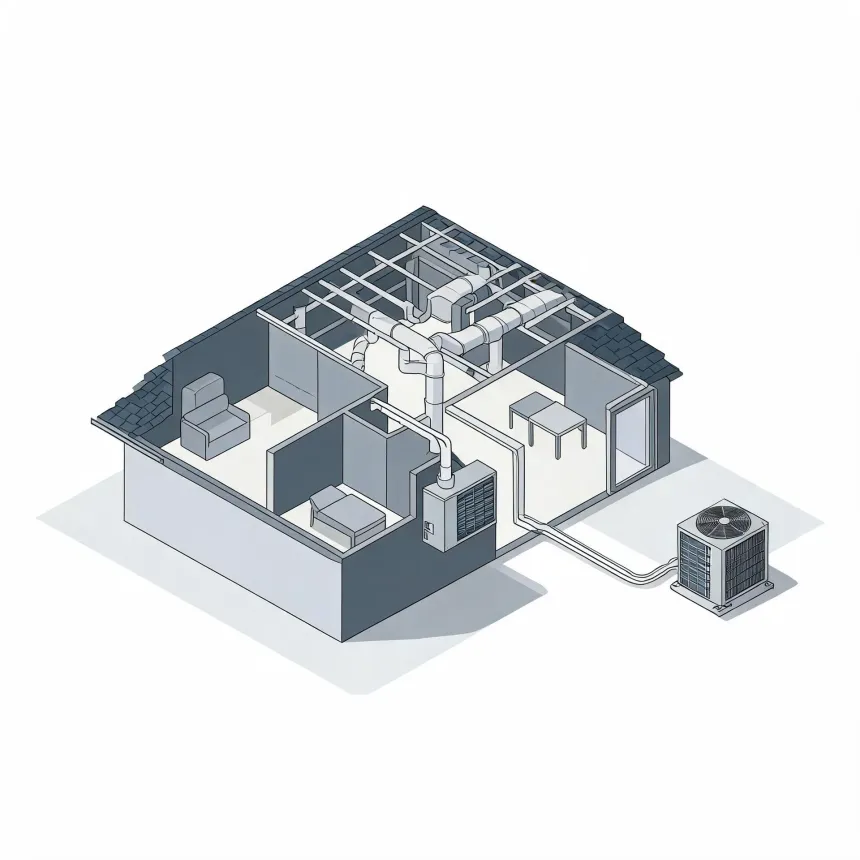
Isometric cutaway illustration of a house showing attic ductwork, an indoor air handler, and an outdoor condenser unit connected by lines.
Your air conditioner works hardest from July through August.

NOAA nClimDiv, 1991–2020 normals

Half the homes in Cheshire County were built in 1972 or earlier.

A system installed when the house was built is old enough that a yearly check matters.

Two months of cooling here, and it starts hard in July. Have it checked in June.

Cooling runs July through August
Summer afternoons average 78°F
164 damaging wind events from 2015 to 2024

Cheshire County saw 164 damaging wind events between 2015 and 2024. The outdoor unit sits outside with nothing between it and that weather. Wind throws branches and debris into the fan and the coil. Hail has hit the county too, and a dented coil or bent fins cut into how well the unit cools. Power cuts matter here as well. A maintenance check won't stop a storm, but it catches the bent fin or the debris already sitting in the unit before the system has to run hard again.

One check a year covers it

A yearly check covers what the weather and the age of the system add up to here. Electricity in New Hampshire ran 23.40 cents per kilowatthour in 2024, so a coil that has to work harder than it should costs more every time the system runs. Once a year, before the system has to lean into the heat, is enough to catch it.

Find a contractor
A gray cylindrical air conditioning condenser unit mounted on a concrete pad next to a light-colored vinyl-sided house exterior.

What's wearing down doesn't ask permission first

A compressor doesn't fail on the day it fails. It wears down a little every time the system runs short on refrigerant or starts against a weak capacitor, and none of that shows up in the house. The system keeps cooling well enough that nothing seems wrong. That's what makes a tune-up worth doing before the season leans on it. A capacitor can test weak under load and still start the unit every time, right up until it doesn't. A contactor can carry pitting on the contacts and still close the circuit, for a while. A coil can look clean on the surface and still be losing its grip on the heat underneath because of a film building up where nobody looks. None of this announces itself from inside the house. It just runs a little harder each time, until the part that was already failing finally does.

What gets checked, not just looked at

A thorough tune-up means the refrigerant charge gets measured against what the system calls for, not eyeballed. The contractor pulls the capacitor and tests it under load, checks the contactor for pitting, and washes the condenser coil instead of brushing the top layer of debris off. The blower wheel comes out or gets inspected for the dust buildup that cuts airflow. A quick visit skips most of this and checks only what's easy to see from outside the cabinet.

A part that still runs isn't a part that's fine

A capacitor can test weak and still start the system every time, right up until the day it doesn't. A coil that only gets wiped on the surface keeps losing its grip on the heat underneath. The point of pulling parts and testing them under load is finding the one that's already failing while it's still working, not after it stops.

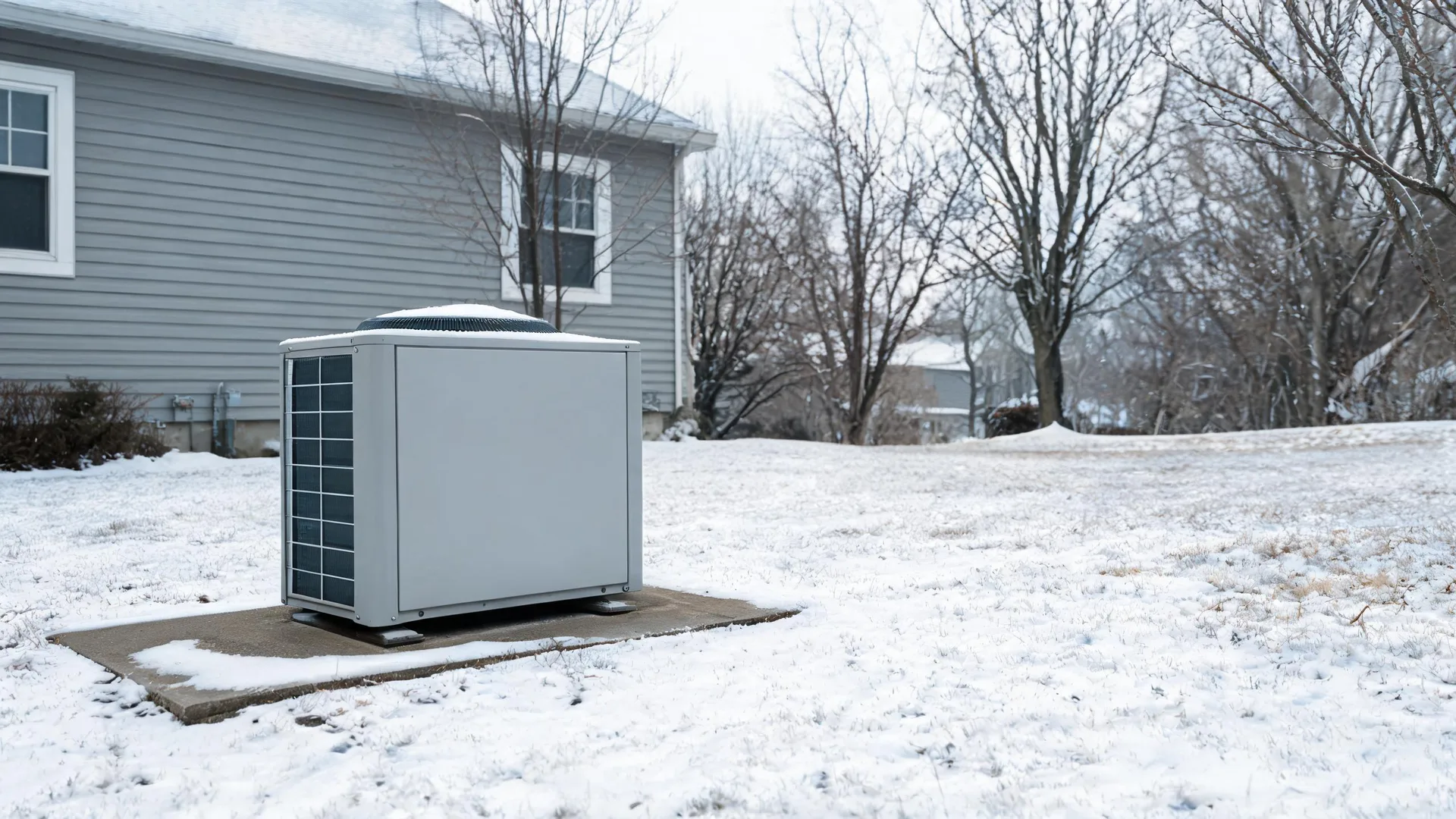
An outdoor air conditioning condenser unit on a concrete pad next to the gray vinyl siding of a residential home.

Book your AC tune-up in June, before homes here start needing cooling in July.

  1. Jan
  2. Feb
  3. Mar
  4. Apr
  5. May
  6. Jun
  7. Jul
  8. Aug
  9. Sep
  10. Oct
  11. Nov
  12. Dec

A tune-up checks the refrigerant charge, cleans the coils, tests the capacitor and tightens the electrical connections.

A tune-up starts with power to the unit shut off, then the panel comes open. The contractor checks the refrigerant charge against what the system was built to run, not a guess based on how cold the air feels. Electrical connections get tightened, since a loose one heats up and burns before it ever trips a breaker. The condensate drain gets cleared, because a clogged one backs water up into the pan and from there into the house. Fan motor and blower bearings get checked for wear you can't hear yet but will. The thermostat gets tested against the system itself, not just switched on and off, to make sure the signal it sends is the one the unit actually follows.